
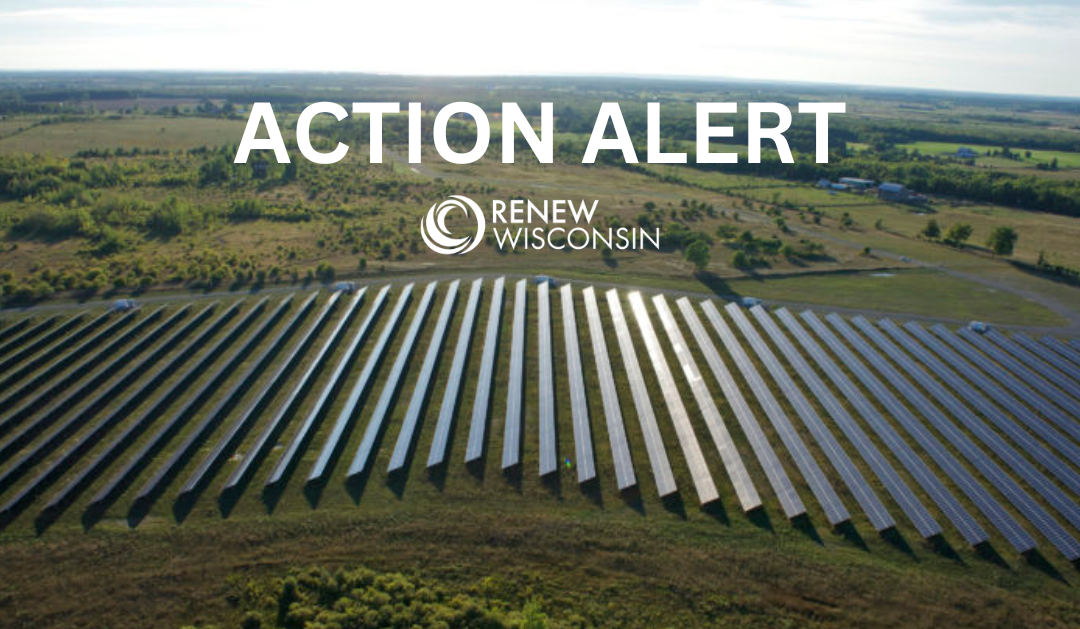
Action Alert: Pairing Batteries With Solar Should Be Easy

Action Alert: Pairing Batteries With Solar Should Be Easy

This Action Alert might seem similar to one we sent earlier this month. We are, in fact, working to make it easier to pair batteries with residential solar across multiple utility territories!

Batteries are a great option for energy resiliency as they provide power during grid service outages. As they become more cost-effective, more people are hoping to pair them with solar. Unfortunately, utilities have been throwing hurdles in the way, preventing customers from storing and using the energy they create with their own rooftop solar array.

In WPS’ current rate case before the PSC, RENEW has addressed this issue head-on and is asking the PSC to step in and regulate utility interconnection practices. 

When installing a solar array, utilities often factor in the size of a rooftop solar array when they determine the cost to connect the system to the electrical grid. WPS adds the capacity of batteries intended to store energy at home (non-exporting) to the solar capacity in order to increase these costs and also make it so customers can’t benefit from net metering.

This utility practice has effectively blocked all non-exporting batteries from being installed in WPS’ service territory. To solve this, we need the PSC to officially tell WPS to stop this unreasonable practice and allow customers to install batteries that they can pair with their rooftop solar arrays.

Join us in telling the PSC to regulate WPS and require the utility to allow customers to pair batteries with their own rooftop solar. The deadline to file public comments with the PSC is October 5th.

Sample comment:

WPS is blocking customers from adding batteries to their solar systems, but the PSC can remove this unreasonable hurdle and enable customers to invest in their own energy resilience. Certified, non-exporting batteries help customers store their own solar power for when the grid goes down.

Yet WPS has made it impossible for customers to add these batteries by increasing interconnection costs and pushing solar customers out of net metering. I urge the PSC to do the right thing and allow customers to add batteries to their rooftop solar!

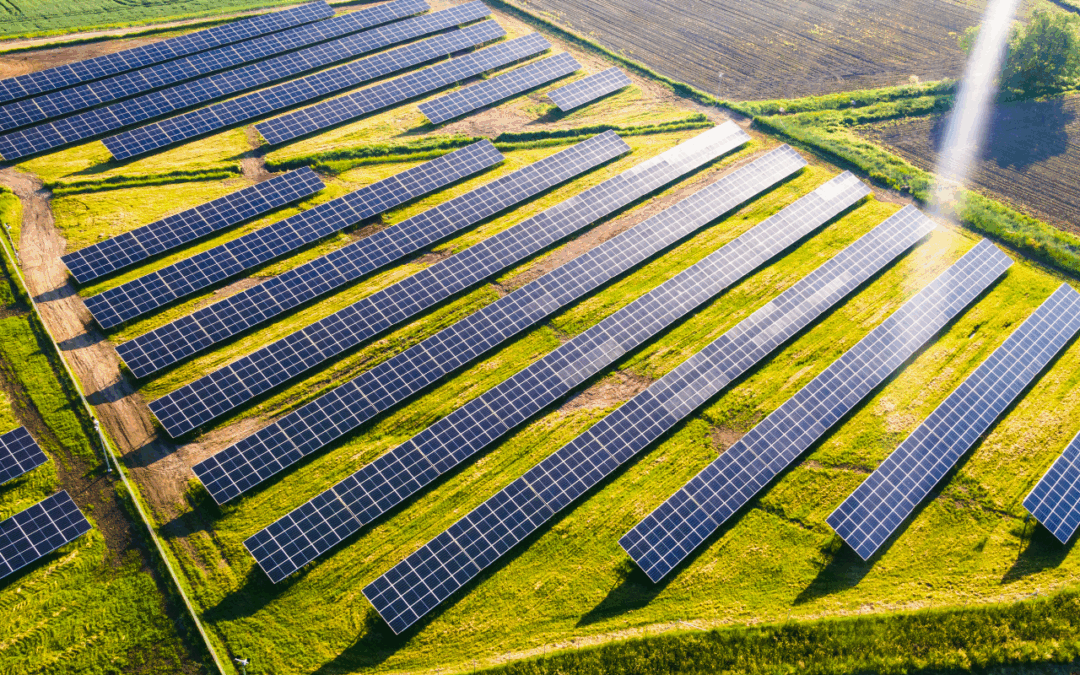
Action Alert: Tell the PSC Pairing Batteries With Rooftop Solar Should Be Easy

Action Alert: Tell the PSC Pairing Batteries With Rooftop Solar Should Be Easy

As batteries have become more cost-effective, they have also become more in demand, in part, for the energy resiliency they provide during grid service outages. But as more homeowners and businesses attempt to add batteries to their solar systems, utilities have been throwing hurdles in the way, preventing customers from storing and using the energy they create with their own rooftop solar array.

In WE Energies’ current rate case before the PSC, RENEW has addressed this issue head-on and is asking the PSC to step in and regulate utility interconnection practices. 

When installing a solar array, utilities often factor in the size of a rooftop solar array when they determine the cost to connect the system to the electrical grid. WE Energies adds the capacity of batteries intended to store energy at home (non-exporting) to the solar capacity in order to increase these costs and also make it so customers can’t benefit from net metering.

This utility practice has effectively blocked all non-exporting batteries from being installed in WE Energies’ service territory. To solve this, we need the PSC to officially tell WE Energies to stop this unreasonable practice and allow customers to install batteries that they can pair with their rooftop solar arrays.

Join us in telling the PSC to regulate WE Energies and require the utility to allow customers to pair batteries with their own rooftop solar. The deadline to file public comments with the PSC is September 18.

*The deadline has passed for this comment period

Action Alert: Support Columbia Wind

Action Alert: Support Columbia Wind

Update: The comment period for the draft EIS has closed

A draft Environmental Impact Statement (EIS) created by the Department of Natural Resources (DNR) and Public Service Commission of Wisconsin (PSC) staff regarding the Columbia Wind energy project is out for public comment. The EIS analyzes the social, cultural, and environmental impacts that could result from the Columbia Wind Project. The EIS should include the positive benefits the project would bring. However, the current draft EIS stops short of actually estimating Columbia Wind’s positive environmental benefits, such as the public health benefits of emission reductions.

RENEW Wisconsin is submitting comments asking the PSC to make sure that both estimates of avoided emissions and climate change impacts are included in the final version of the EIS. The positive impacts of reduced air pollution from projects like Columbia Wind are necessary for helping the general public understand why clean energy projects like Columbia Wind are so important. Join us in telling the PSC that reduced climate impacts and greenhouse gas emissions are necessary for a complete EIS.

Personalized comments are more effective, please take the time to make your message to the PSC unique. Comments on the EIS are due on August 28 and are for regulatory staff, but EIS comments are not officially part of the Commission record. There will be an opportunity to submit official comments in support of Columbia Wind this fall.

Sample Comment:

The Environmental Impact Statement (EIS), prepared by the DNR and PSC for Columbia Wind, needs to include information about the emissions that will be avoided thanks to this project. By reducing the amount of emissions we put into the air, we reduce health issues caused by fossil fuels and avoid causing greater damage to our climate. The EIS is not complete without these necessary details.

Action Alert: Submit Comments in Support of Dawn Break Solar

Action Alert: Submit Comments in Support of Dawn Break Solar

Public comments are open now through June 11 for Dawn Break Solar, a 180 Megawatt (MW) solar project paired with a 180 MW battery energy storage system. If approved, the solar project will be located in Waushara County and is planned for completion in 2029. Projects like this have a wide range of local and statewide benefits. Show your support for this project and tell the Public Service Commission of Wisconsin (PSC) why you support the approval of a vital solar project in Wisconsin!

You can use some of the listed benefits below to help you craft your message.

Dawn Break Solar isn’t just about the clean energy it will produce. The 180 MW facility in Waushara County has many benefits:

Economic Growth: Dawn Break Solar is expected to create construction jobs, as well as several long-term local jobs for operations and maintenance. Landowners will also benefit from consistent lease payments during the 35-year lifespan of the project.

Community Benefits: Once in service, Dawn Break Solar will contribute more than $31.5 million in utility-aid payments. Local governments will receive $900,000 annually, with $510,000 for Waushara County and $390,000 for the Towns of Oasis, Plainfield, Deerfield, and Hancock.

Emissions Reductions: Dawn Break Solar will reduce emissions from energy production by about 600 million pounds of CO2 in the first year of operations. In terms of greenhouse gas emissions, this is the equivalent of taking more than 59,100 vehicles off the road for a full year. Additionally, non-GHG emissions reductions will result in health, economic, and environmental benefits. Wisconsin can expect more than $1.3 million in economic benefits associated with public health improvements in Dawn Break Solar’s first year of operations alone.

Submit your comments today and tell the PSC you support the approval of Dawn Break Solar. Feel free to use some of the bullet points above to craft your own unique message.

Akron Solar Approved!

Akron Solar Approved!

Earlier this week, the Public Service Commission of Wisconsin (PSC) approved Akron Solar! This 200 Megawatt (MW) solar project will be located in Adams and Wood Counties and is planned for completion in the latter half of 2029. Projects like this have a wide range of local and statewide benefits. Thanks to everyone who helped make this project happen, especially those who submitted comments to the PSC and told them why Wisconsin needs more solar power!

Even though we’re only three months into 2026, we are excited about the amount of progress we have already made. That said, there’s plenty more for us to accomplish this year. We hope you’re just as excited as we are to keep the momentum up and help us create a future where everyone benefits from the renewable energy revolution!

Akron Solar’s benefits extend well beyond the clean energy it will produce. If you’re not familiar with the project, below are some additional reasons why we support this project:


  • Economic Growth: According to a report by Strategic Economic Research, Akron Solar will create more than 450 jobs during construction, as well as more than 14 good-paying, long-term positions in Adams and Wood Counties.
  • Community Benefits: Once in service, Akron Solar will contribute more than $1,000,000 in utility-aid payments each year. Over $566,000 of this will go to the counties, while the remaining $433,33 will go to the towns of Rome and Saratoga. During its 25-year life, the project will contribute a total of at least $25million in utility-aid payments.
  • Emissions Reductions: Akron Solar will reduce energy production emissions by 650 million pounds of CO2 in the first year of operations. In terms of greenhouse gas emissions, this is the equivalent of taking more than 64,000 vehicles off the road for a full year. These emissions reductions will result in health, economic, and environmental benefits. Wisconsin can expect more than $1.4 million in economic benefits associated with public health improvements in Akron Solar’s first year of operations alone.
Action Alert: Submit Comments in Support of Fox Solar

Action Alert: Submit Comments in Support of Fox Solar

Public comments are open now through March 9 for Fox Solar, a 100 Megawatt (MW) solar project paired with a 50 MW battery energy storage system. If approved, the solar project will be located in Oconto County and is planned for completion in 2028. Projects like this have a wide range of local and statewide benefits. Show your support for this project and tell the Public Service Commission of Wisconsin (PSC) why you support the approval of a vital solar project in Wisconsin!

You can use some of the listed benefits below to help you craft your message.

Fox Solar isn’t just about the clean energy it will produce. The 100 MW facility in Oconto County has many benefits:

Economic Growth: According to witness testimony provided by David Loomis of Strategic Economic Research, Fox Solar will create 300 temporary jobs during construction, as well as more than 20 good-paying, long-term jobs across Wisconsin due to economic stimulus related to the project.

Community Benefits: Once in service, Fox Solar will contribute more than $500,000 in utility-aid payments each year. $283,333 of this will go to Oconto County, while the remaining $216,667 will go to the Town of Morgan. During its 25-year life, the project will contribute more than $12 million in utility-aid payments.

Emissions Reductions: Fox Solar will reduce energy production emissions by 304 million pounds of CO2 in the first year of operations. In terms of greenhouse gas emissions, this is the equivalent of taking more than 29,993 vehicles off the road for a full year. Additionally, non-GHG emissions reductions will result in health, economic, and environmental benefits. Wisconsin can expect more than $690,000 in economic benefits associated with public health improvements in Fox Solar’s first year of operations alone.

Submit your comments today and tell the PSC you support the approval of Fox Solar. Feel free to use some of the bullet points above to craft your own unique message.