Planting the Grid Our Children Will Need: Why the MariBell Transmission Project Matters
There is an old story from the Mediterranean about an elderly man planting an olive tree. A passerby asks why he would plant something that takes decades to bear fruit. The man replies: “Because my children will need the olives.”
Transmission lines are much the same.
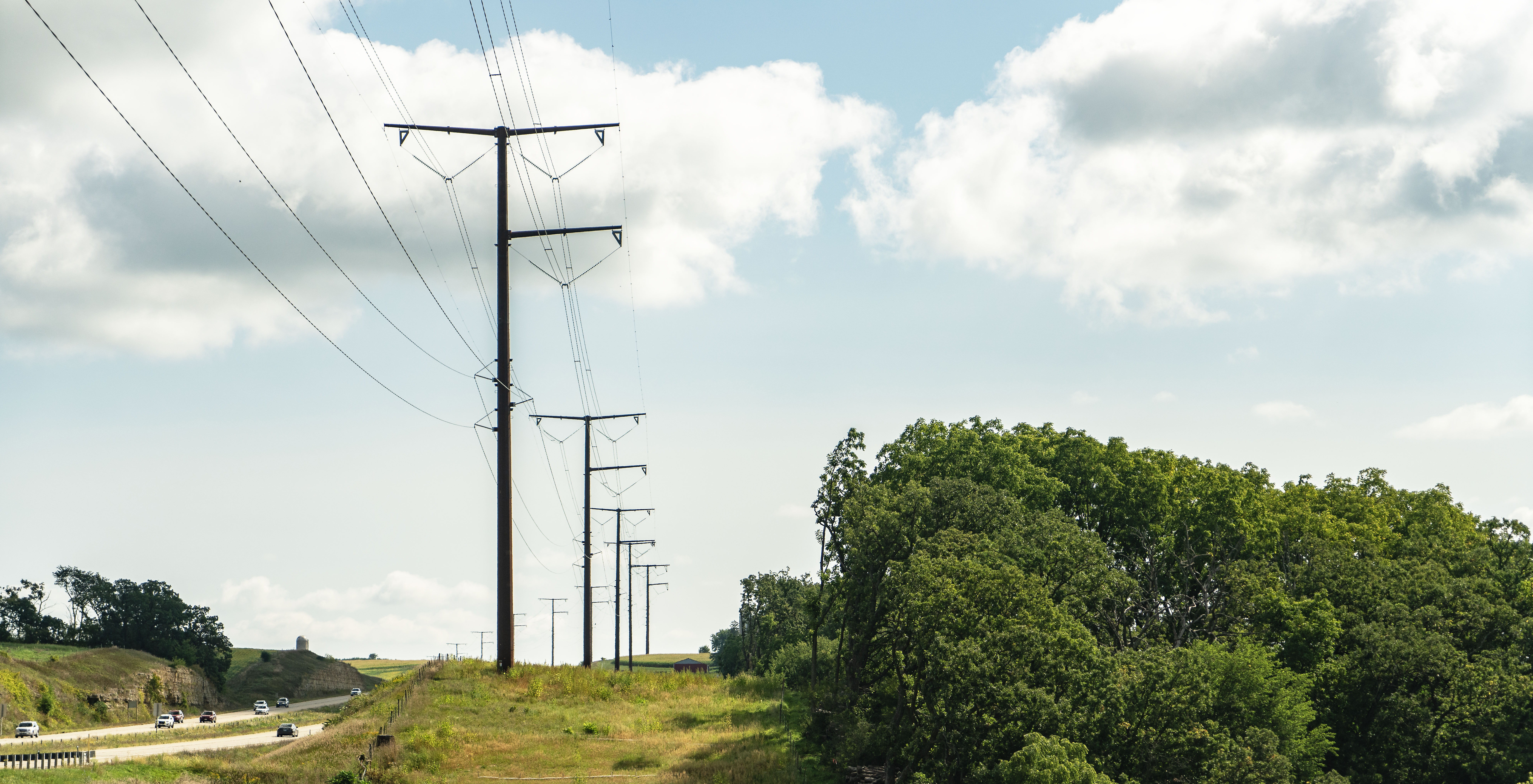
Across southwest Wisconsin, communities are hearing about the MariBell Transmission Project, a proposed high-voltage transmission line that would connect Marion, Minnesota, to Bell Center, Wisconsin. The project is part of an effort to strengthen the electric grid across the Upper Midwest.
When people first hear about a transmission project, the natural questions are: Why do we need it? And is it safe?
We can answer both.
Transmission Is Planned Generations Ahead
Transmission lines are not built for today’s electricity needs. They are planned decades ahead for our children’s future.
Much of the infrastructure we rely on today was planned decades ago. Engineers studied population growth and future electricity demand long before many of the businesses and technologies we rely on today even existed.
Regional grid operators like MISO (Midcontinent Independent System Operator) are responsible for conducting these long-range studies. From that work comes the Long Range Transmission Plan, which identifies major grid upgrades needed to maintain reliability across the region. The MariBell project is part of that effort.
Once a project appears on a planning map, it often takes 10 to 15 years before construction begins. Environmental studies, landowner discussions, engineering design, and regulatory approvals are all requirements for this long-term investment.
In other words, transmission is built for the future long before it arrives.
The Backbone of a Reliable Economy
Electricity demand across the Midwest is growing again.
Manufacturing is expanding. We’re electrifying our homes and transportation. At the same time, older power plants are retiring, and new energy sources are coming online across the region.
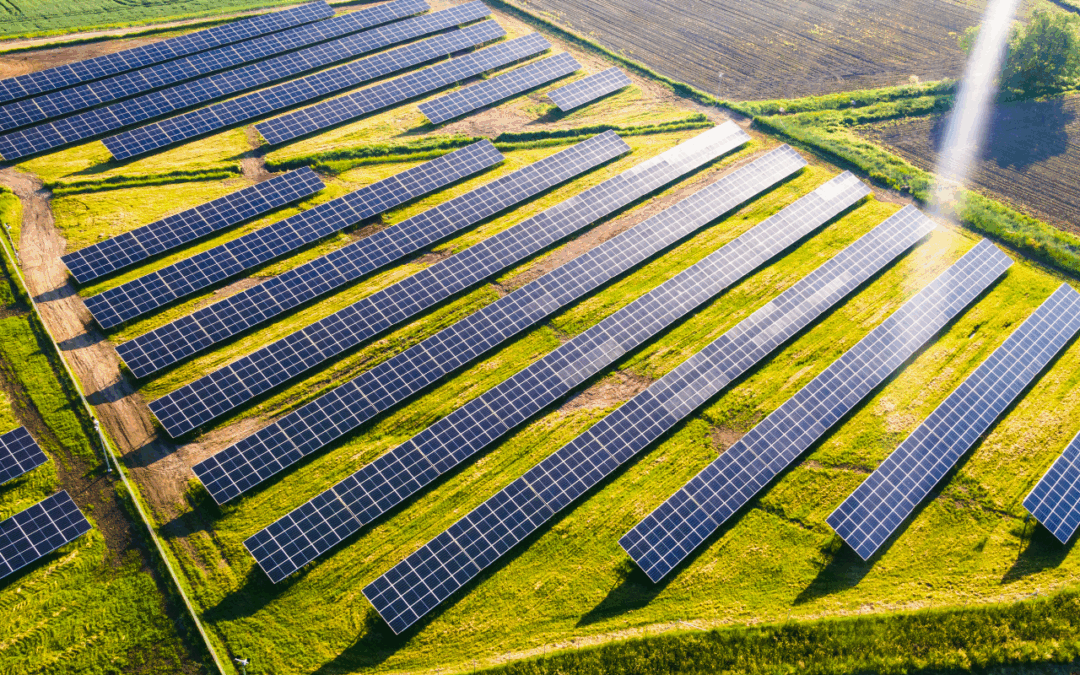
Transmission connects it all, allowing electricity to travel long distances, balancing supply and demand across states, and ensuring reliability during extreme weather or periods of high demand. It also allows new power generation, from solar to nuclear, to connect to the grid and reach the communities that need it.
Addressing the EMF Question
Another common concern raised during transmission discussions is electromagnetic fields, or EMF.
EMFs are produced whenever electricity flows through a wire, not just transmission lines. Household wiring, appliances, power tools, and TVs also create EMFs.
Because this issue has raised questions for decades, it has been studied extensively. Research conducted by the National Institutes of Health, the World Health Organization, and the National Cancer Institute has examined EMF exposure for more than 40 years.
The consistent scientific finding is that EMF from power lines has not been shown to cause adverse health effects from the levels of exposure typically experienced by the public.
Transmission lines are also designed to naturally reduce exposure. The height of structures and the distance they are placed from homes are both meant to take advantage of the fact that EMF levels drop rapidly the farther you move away from a line. In many cases, household appliances can expose people to stronger EMF levels at a very close range.
That doesn’t mean concerns should be dismissed. But decades of research provide strong reassurance that transmission infrastructure operates safely within established guidelines.
Thinking Like the Man With the Olive Tree
The conversation around the MariBell project is in its early stages. Maps show both proposed and optional corridors, and the final route will be determined through regulatory review and public input.
Those conversations matter. Communities deserve transparency, and landowners deserve to be heard.
The grid we rely on today exists because previous generations believed in planning for the future. They built the infrastructure that powers today’s homes, hospitals, farms, and businesses.
They planted the olive trees.
Now it’s our turn.
Transmission projects like MariBell are not just about meeting today’s electricity needs. They are about ensuring that our children inherit an infrastructure strong enough to support their future.
If we want them to enjoy the harvest, we have to start planting now.