
In early July, the U.S. power grid experienced a heat dome that drove Americans’ energy usage to an all-time high.
There is little doubt that heat waves fueled by climate change, coupled with the rising power use of data centers, will increasingly strain the electrical grid, likely driving up consumer costs even further.
So, what can we do? Virtual power plants offer a real solution where customers can work with power providers to reduce demand for energy and use it efficiently — cutting costs for both consumers and utilities.
At the most basic level, virtual power plants (VPPs) are a network of energy users and suppliers that use existing energy resources in the community and within people’s homes to provide power to the grid—and to strategically reduce energy demand during periods of peak use.
VPPs can be managed by private technology or renewable energy companies, regulated utilities, or other program operators. To manage energy use, VPPs use various devices and technologies that create, store, and use power. This can include rooftop solar, electric vehicles (EVs), home and industrial-scale batteries, smart thermostats, water heaters, and other similar energy systems.
By managing these resources throughout the day as power demand rises and falls, VPPs ensure reliable power while producing energy savings and rewards for participating consumers.
Because they reduce peak power demand and enable a more flexible power grid, VPPs have the potential to reduce or eliminate the need to build expensive and polluting fossil fuel infrastructure.
Preventing these new gas-powered plants from being built eliminates the risk that utility customers, who are already burdened by recent energy rate increases, will be asked to pay for stranded fossil fuel infrastructure as Wisconsin transitions to a clean energy economy.
Particularly as large data centers drive a projected 40 percent increase in energy use by 2032, expanded VPP programs will be necessary to supply reliable power, reduce the health impacts of dirty fossil fuel plants, and keep Wisconsin on track for our 2050 carbon-free energy goal.
VPPs in Your Home
In areas where demand response programs are available, customers can voluntarily install smart thermostats, heat pumps, and other devices in their homes that can be managed remotely by the VPP operator. The operator can then reduce demand and draw excess energy to other users, in exchange for compensating the customers, often via bill credit.
VPP systems have begun to catch on throughout the United States, including in Chicago, where a smart thermostat VPP program was recently approved, slated to begin in May 2027. ComEd, the utility serving northern Illinois, will manage the Chicago program and utilize smart thermostats voluntarily installed by consumers. The program is estimated to save $60 per year for the average household.
So, what would the program look like in your home? Let’s say it’s a particularly hot August day, and your thermostat is set to 70 degrees to keep your house comfortable. A VPP operator may increase your house’s temperature to 73 degrees to reduce energy demand during the afternoon or early evening when energy consumption is high, and the energy grid is under stress.
Making this small change across thousands of homes will significantly reduce energy use and relieve stress on the grid. In exchange, you will receive a bill credit for allowing your thermostat to be remotely controlled.
In 2025, a brutal heat wave hit Vermont. But Green Mountain Power, the region’s utility, sourced power from customers’ batteries distributed across the state, reducing the need to buy expensive peak demand energy. Ultimately, the VPP saved consumers an estimated $3 million in energy costs for just one day — roughly $10 per customer.
RENEW’s Role in the VPP Revolution
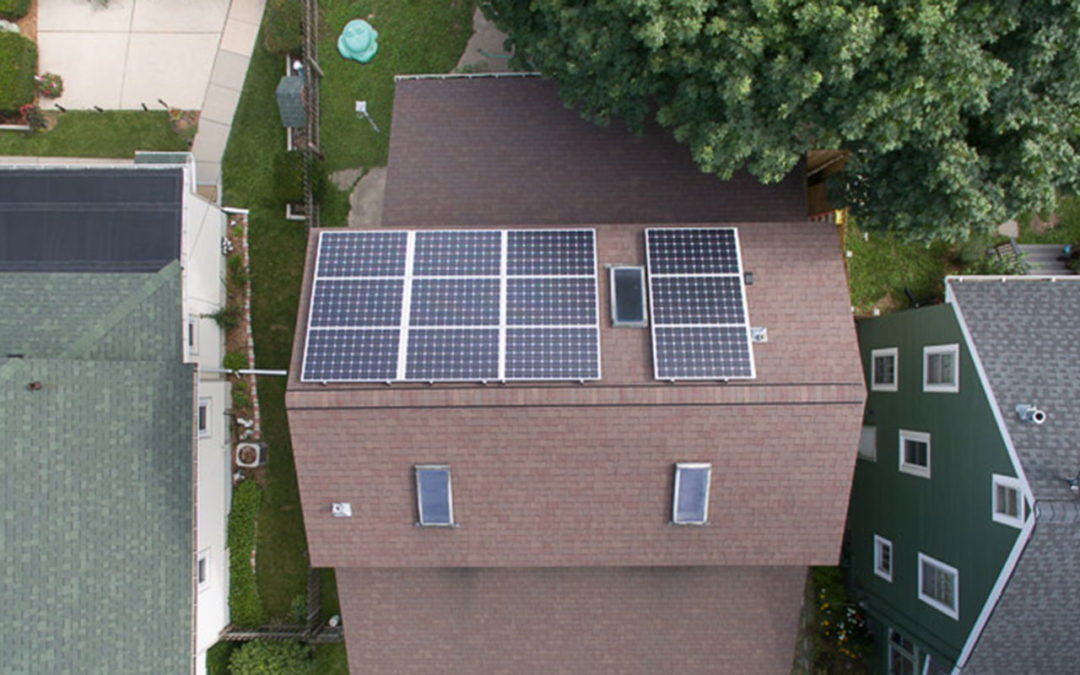
Here in Wisconsin, RENEW Wisconsin is working to expand consumer access to rooftop solar systems, making it easier and more financially viable to install a miniature solar energy plant on your property.
Additionally, RENEW advocates for expanded consumer EV and Bring Your Own Device (BYOD) programs that reflect the value of consumers reducing their demand, connecting consumers to the energy system, and enabling customers to exert greater control over their energy — reaping the financial reward when they reduce energy consumption.
Wisconsin’s statewide energy efficiency program, Focus on Energy, provides $50 rebates on qualified smart thermostats across nearly all utilities in Wisconsin. Some utilities also offer demand response programs that are compatible with utility-eligible smart thermostats. These utility smart thermostat programs manage cooling during peak times and provide rewards or bill credits for customer participation.
WE Energies just unveiled a summer program that offers new participants $50 for allowing the utility to adjust their thermostat for up to four hours, with the option for customers to override the adjustment. Returning customers can get more than $6 per month for their participation, shaving a few dollars off their monthly bills.
Another example of a demand response program is WE Energies’ pilot EV program, which gives consumers credit for charging their EVs between 12 am and 8 am, when energy demand is low.
RENEW also advocates for consumers to get monthly bill credits for participating in demand response programs, such as Madison Gas and Electric’s smart thermostat and smart water heater programs. Monthly credits, as opposed to annual bill credits or gift cards, enable consumers to readily see how their participation is reducing energy demand and enabling grid flexibility.
In the future, RENEW will continue to advocate for utilities to make these programs permanent, larger, and more comprehensive — linking together thermostats, EVs, batteries, and rooftop solar to create a smart, responsive energy system for Wisconsin, powered by renewable energy and clean technology.
Doing so will reduce the need for outdated fossil fuel infrastructure, lower customers’ energy bills, and help meet all of Wisconsin’s growing power needs.

Brian Wagenaar, a Twin Cities native, is one of RENEW’s 2026 summer law clerks. He is currently a student at the University of Wisconsin Law School and starts his second year in the program this fall. Prior to his time at UW’s Law School, Brian earned his bachelor’s in environmental policy from UW-Green Bay.