Vista Sands Approved by the Public Service Commission of Wisconsin

Vista Sands Approved by the Public Service Commission of Wisconsin

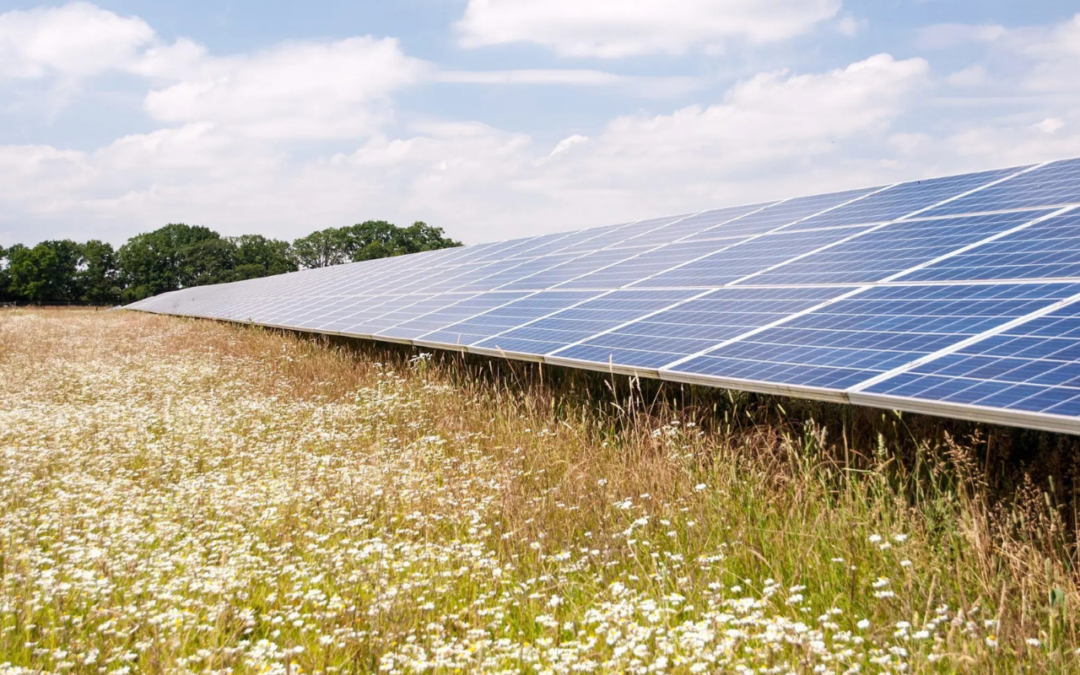
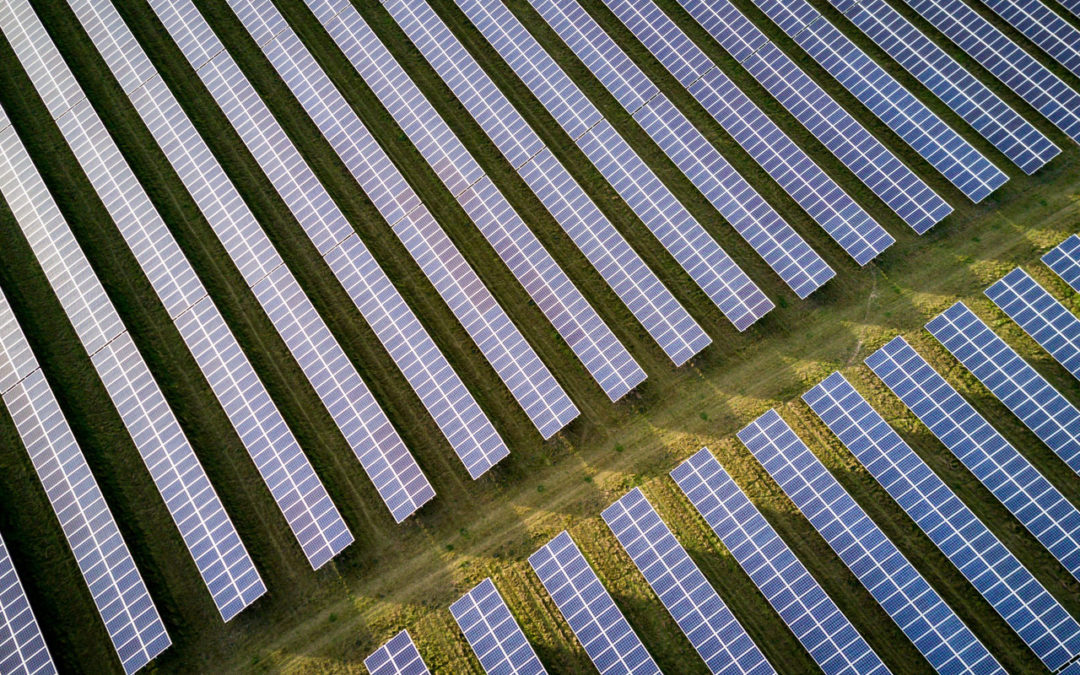
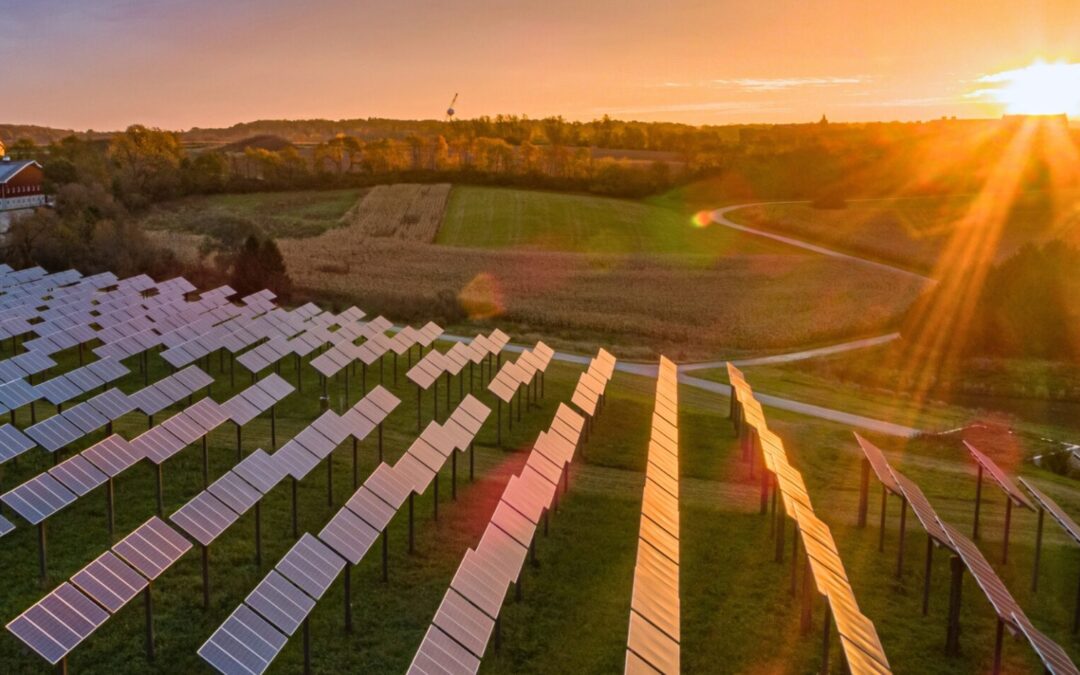
The Public Service Commission of Wisconsin (PSC) has approved the Vista Sands solar project at its full size of 1.3 gigawatts. The impact of this decision is difficult to overstate, as this project alone will reduce the carbon emissions of our state’s electric sector by nearly 5 percent. This would mean the removal of 1.7 million short tons of carbon emissions each year by producing enough solar energy to power nearly 250,000 typical Wisconsin homes.

The project also has significant economic benefits and is expected to create about 2,200 jobs during the construction period, along with 165 long-term jobs. In all, the project is estimated to increase Wisconsin’s long-term economic output by more than $50 million. Local governments within the project area will also benefit from annual utility aid payments of $6.5 million through the course of the project’s life.

RENEW Wisconsin staff and our supporters have advocated for the project since it was proposed by the developer, Doral Renewables, LLC. Our policy team provided expert testimony and analysis in support of the project, which helped the PSC reach its decision to approve it. In their decision on Thursday, December 12, the PSC affirmed the collaborative efforts of the developer as it navigated competing opinions surrounding the project.

The project was at risk of being subjected to half-mile setbacks from the Buena Vista Wildlife Area, which would have significantly reduced its size and put the economics of the project in jeopardy. The request for the setback came out of concern for the Greater Prairie Chicken, a threatened species of bird.

RENEW recognizes the need for balance as we work to meet our decarbonization goals, and we agree with the PSC that Doral provided robust collaboration with the many parties interested in the project and the surrounding area. Around 90 percent of the project is located more than half a mile from the wildlife area, and the developer has set aside additional habitat for Greater Prairie Chicken populations. The developer also eliminated most of the above-ground transmission in their plan, will install bird diverters on fencing, and will fund the maintenance of existing conservation land.

Now that it’s approved, the project is expected to break ground in the spring of next year with an estimated completion date of December 2028. This project sets a new bar for future solar installations across the state.

Empowering Tribal Nations: The Shift to Clean Energy

The Menominee Indian Tribe of Wisconsin is committed to preserving their environment and fostering sustainable growth. In the face of a rapidly changing climate, investing in clean energy isn’t just about harnessing the power of the sun and wind—it’s about empowering their community, protecting their sacred lands, and ensuring a vibrant future for generations to come. With increased clean energy funding opportunities, such as those provided by the Inflation Reduction Act, the Menominee Indian Tribe of Wisconsin is creating new opportunities, enhancing economic resilience, and supporting the Tribe’s cultural values.

Special thanks to Isaiah Ness (Sun Bear Industries) and Zoar Fulwilder (Mavid Construction Services) for their work to advance clean energy in Tribal communities and for inviting RENEW to witness the transformation.

Clean Energy Works Profile – Sam Lammers

Clean Energy Works Profile – Sam Lammers

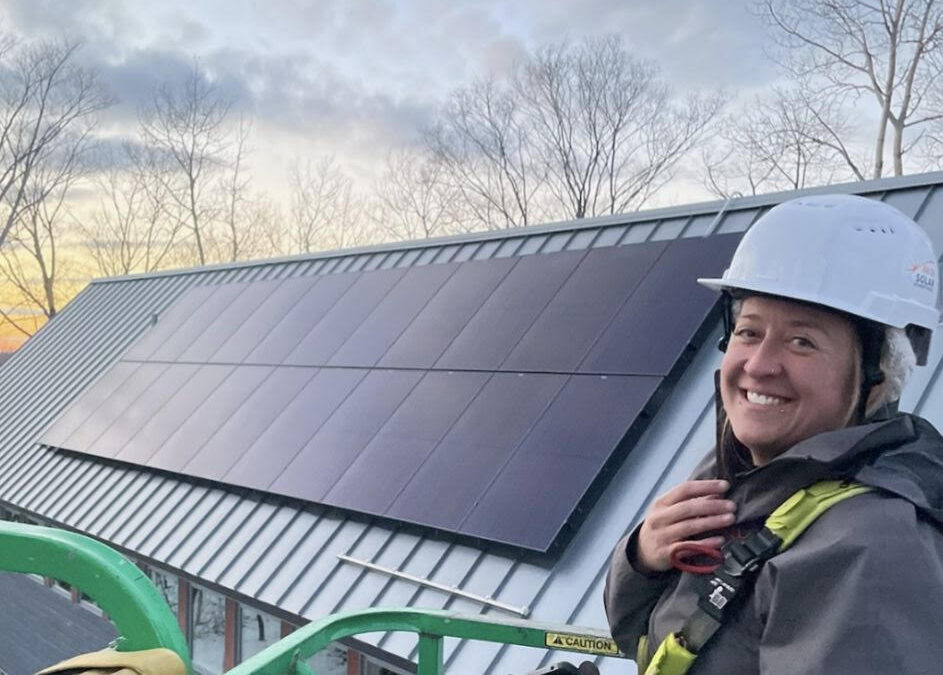
Sam Lammers entered the renewable energy industry a little over a year ago but has already taken on a leadership role at Arch Solar as the DC Crew Lead. The Wisconsin native was raised in Sheboygan and until recently, she worked in the nearby Washington and Waukesha Counties as an Invasive Species Coordinator and also Conservation Warden for the Department of Natural Resources.

“…sustainability and conservation have always been a passion of mine,” Lammers said.

Lammers went to school at UW – Green Bay where she earned her Bachelor’s degree in environmental policy and planning. Her passions, however, extend beyond the environment. Lammers is also the owner of her yoga studio and it was through one of her clients that she learned about Arch Solar.

“Actually finding Arch Solar came as kind of an accident, I was having breakfast with one of my yoga clients,” Lammers said. “I actually own a yoga studio, and she was telling me about her job and how I would be a really good fit for it. She asked me if it’s something I would be interested in and if I would check out.”

Lammers quickly learned how right her client was. She has found the work rewarding and just shortly after her one-year anniversary, Lammers is already looking for ways to grow in her role. Within the next year, she hopes to be a part of the electrician apprenticeship program.

“I absolutely love the opportunities I get at the job,” Lammers said. “The role is always kind of growing and adapting, and that’s what keeps me going.”

Among the many things Lammers enjoys about her work is working with customers and generally educating the public about the work she does. Lammers said that when she gets on a job site she enjoys the opportunity to not only ease the minds of customers but help them realize their sustainability goals.

“I believe in all forms of sustainability and the renewable industry,” Lammers said. She added that she loves being able to bring her passion for being outside while working hard in a role within the renewable energy industry.

And though she has a deep appreciation for her role in the industry and the team she works with, the position is not without some challenges.

“I would say my biggest challenge, just being almost a decade older than most of the guys I work with on the roof, is just kind of the physical demand of the job,” Lammers said. She noted that there are days she doesn’t feel like getting on a roof, but she reminds herself how great it is to get to work outside. Good teamwork is essential when regulary working on roofs. As Lammers noted she has a fabulous team that trusts each other and has each other’s backs.

“I appreciate the wide variety of individuals that I get to work with in the renewables industry,” Lammers said. “The field crews, office staff, salespersons, and customers all bring their own experiences, expertise, and questions to every job we do and it’s incredible being able to learn from everyone involved. The renewables industry is an ever-growing field and there is always something new and exciting to learn about or adapt to our practices on the roof.”

RENEW Wisconsin’s 2023 Clean Energy Honor Roll

RENEW Wisconsin selected 13 projects for this year’s Honor Roll. These projects and the organizations involved in them demonstrate leadership, ambition, and climate awareness in their design and use of clean energy.

ALLIANT ENERGY (WPL) SOLAR PORTFOLIO

In 2023, Alliant Energy’s Wisconsin utility placed in service eight utility-scale solar plants totaling 639 megawatts as part of its Clean Energy Blueprint. By the end of the year, Alliant had finished work on 11 of the 12 projects in its solar portfolio. When the final solar plant is completed this summer, they will together generate approximately 20% of Alliant’s resource mix in Wisconsin, sufficient to power nearly 300,000 homes annually. Many Wisconsin contractors participated in the construction of these projects, including Westphal Electric and Mashuda Contractors.

BADGER HOLLOW

Developed by Invenergy and owned by WEC Energy Group and Madison Gas and Electric, Badger Hollow Solar Park is now fully operational. At 300 MW, it is Wisconsin’s largest operating solar power plant, capable of generating 6,000,000 megawatt-hours per year. This is equal to the annual consumption of 90,000 Wisconsin households. Badger Hollow was one of the first utility-scale solar plants approved by the Public Service Commission in 2019. Since then, Invenergy has secured permits for four more solar and storage projects in Wisconsin, totaling 1.35 gigawatts. Two of them are under construction today.

BAYFIELD COUNTY

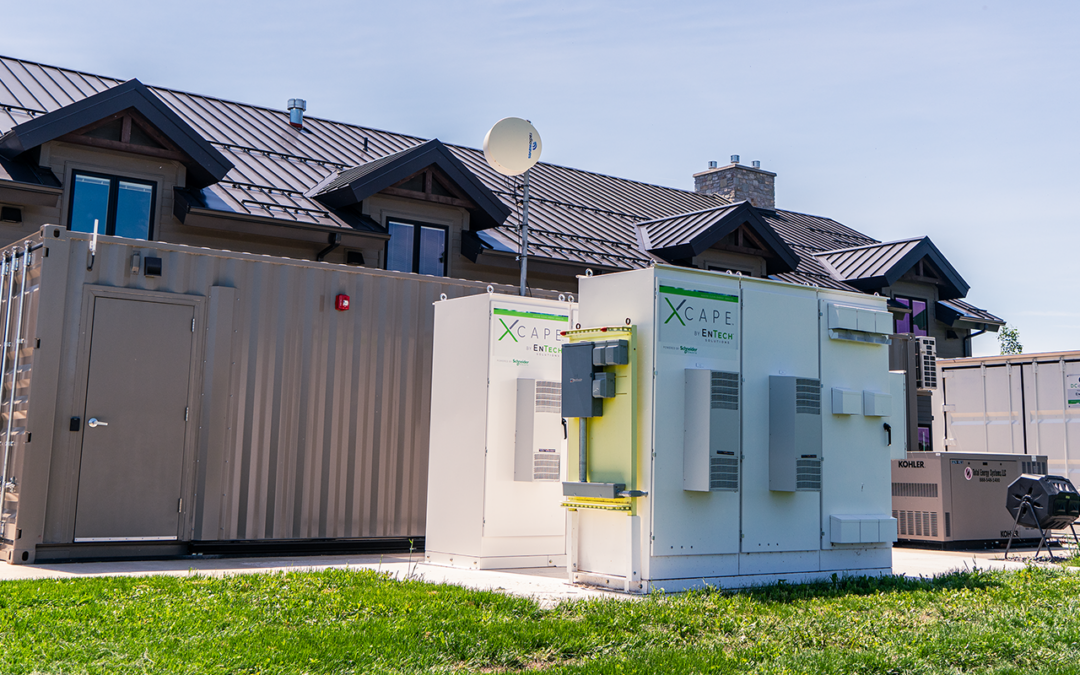
Bayfield County successfully commissioned the area’s first multi-building, intelligent microgrid on November 10, 2023. The Bayfield County Courthouse and Jail automatically integrate solar PV, battery storage, and backup diesel generation under a single utility meter. The system will provide electric power with or without the electric grid and can optimize economic benefits during normal grid-tied operation through features like demand management and energy arbitrage. The system is not only a first for the area but a first for Wisconsin and the Midwest.

CITY OF MADISON

In the previous decade, the City of Madison set a goal of installing one megawatt of solar capacity by 2020 to supply its own facilities. By the end of 2022, about 1.5 MW of behind-the-meter solar power had been installed, mostly through the City’s Green Power training program. In 2023, the City added 585 kW of solar PV at nine different facilities, including 200 kW apiece at both Streets West and the Nakoosa Rd. Fleet Garage, bringing overall installed PV capacity serving City facilities to more than 2 MW.

COLLEGE OF MENOMINEE NATION

In 2023, Eland Electric partnered with the College of Menomonee Nation to install a 40-kilowatt solar array on the tribe’s reservation in Keshena. In addition to powering a college building, this array kicks off an initiative to help local community members develop the skill set needed for installing and maintaining solar arrays. The Menomonee Nation hopes to build its own reservation-wide solar energy utility service.

HOLY WISDOM MONASTERY

In 2023, Holy Wisdom embarked on an ambitious effort to become an all-electric facility using carbon-free sources onsite to the greatest extent possible. The monastery’s journey to a carbon-free future began with a significant expansion to the onsite PV capacity already in place. Designed by the team of Hoffman Planning and Madison Solar Consulting and installed by Northwind Solar, the new array is built upon single-axis trackers, and its output flows directly into the utility distribution system. When the ground-source heat pump and battery storage system are commissioned later this year, Holy Wisdom Monastery will have effectively achieved carbon neutrality. Wisconsin’s Office of Energy Innovation helped kick off this project with a $575,000 grant awarded in 2021. Local solar developer John Young contributed financing for the solar array.

MCFARLAND PUBLIC SAFETY BUILDING

In 2023, the village of McFarland celebrated the opening of its new Public Safety Center, likely the first net-zero municipal building in the state of Wisconsin. With 51 geothermal wells for efficient heating and cooling as well as solar panels that can produce up to 470kW of photovoltaic energy, the facility will produce as much energy onsite as it consumes annually, leading to its designation as a net zero facility. Taking advantage of federal and state clean energy funding (including an Energy Innovation Grant), this $20 million building should pay for itself in year one.

RED BARN WIND ENERGY CENTER

Commissioned in 2023, the 92 MW Red Barn Wind Park was developed by Minnesota-based PRC Wind and built by Allete Clean Energy for the project’s current owners, WEC Energy Group and Madison Gas and Electric. Approved by Grant County in 2019, Red Barn is the first project in Wisconsin to have advanced from the proposal stage to full operation under the state’s Wind Siting Rule (PSC 128). The output from this 28-turbine project should equal the annual consumption of 50,000 Wisconsin households.

SHEBOYGAN SENIOR COMMUNITY

Sheboygan Senior Community is a faith-based, nonprofit continuum of care facility providing respite, short-term rehab, assisted living, skilled nursing, and end-of-life services. Designed and installed by Plymouth-based Arch Solar, the installation consists of a 198-kW ground-mount solar array and a battery energy storage component. In addition to a grant from the Wisconsin Office of Energy Innovation, the project’s financing relied on a generous commercial benefactor, who provided 95% of the funding for the senior community’s project. The organization worked with Legacy Solar Cooperative to secure this funding. In addition, Couillard Solar Foundation donated one-third of the 438 panels that make up the array.

SOLARSHARE WISCONSIN

In 2023, SolarShare Wisconsin, a cooperative entity organized under Chapter 185, invested capital provided by members to bring two smaller solar projects in western Wisconsin to fruition. SolarShare Wisconsin partnered with OneEnergy Renewables, which has developed more than 20 smaller-scale solar projects across Wisconsin, to build its first two arrays in Juneau County, totaling 4.5 MW. Now energized, the Lemonweir (lemon•weer) and Webster Creek projects supply electricity to Oakdale Electric Cooperative. SolarShare Wisconsin plans to add another solar project to its portfolio later this year. At a site near Lake Hallie (rhymes with rally) in Chippewa County. Like the first two projects, the Lake Hallie project, also developed by OneEnergy, will be financed with capital provided by SolarShare Wisconsin members.

UW-HEALTH EASTPARK MEDICAL CENTER GARAGE

In 2023, UW-Health partnered with SunPeak and Staff Electric to design and oversee the construction of a 1 MW solar parking canopy on the garage adjacent to its Eastpark Medical Center. This PV canopy not only supports UW-Health’s carbon reduction goals but also provides additional protection to patients and visitors using the facility.

UW-PARKSIDE

UW-Parkside partnered with McKinstry to host a 2.1 MW solar array, similar to the one McKinstry designed for UW-Platteville a year earlier. Built on a parking lot, UW-Parkside’s array is the largest installation in 2023 serving a Wisconsin school or municipality. McKinstry selected Westphal Electric to build the structure and interconnect the PV system to the grid. The electricity generated by the McKinstry/Westphal installation flows directly to UW-Parkside campus buildings.

YAHARA SOLAR

As noted on Dane County’s website, the 17-megawatt Yahara Solar project, completed in 2023, enables Dane County to become not only the first county government in the state to achieve 100% renewable electricity status, but also the 4th county in the nation to reach the 100% goal. Key partners in the project include Alliant Energy (the local utility), SunVest (the project developer and owner), and Pieper Power (the installation contractor). Yahara Solar will produce more than 36 million kilowatt-hours of renewable electricity per year — enough to power more than 3,000 Dane County homes.

Powering Change: Temple Beth El’s Solar Energy Journey

Powering Change: Temple Beth El’s Solar Energy Journey

On Friday, October 13, Temple Beth El, a progressive Reform synagogue located in Madison, set a remarkable example by installing a 102-kilowatt solar array. Full Spectrum Solar installed the array, which is expected to save the synagogue approximately $12,000 annually.

The array will offset 31.5% of their projected annual energy consumption, contributing significantly to their sustainability goals, which are aligned with aspects of their overall mission. For more than 84 years, Temple Beth El has remained dedicated to its vision to create and sustain a vibrant, inclusive, and engaged community that connects individuals from all walks of Reform Jewish.

Affiliated with the Union for Reform Judaism, Temple Beth is the sole Reform Jewish congregation in Madison, providing a welcoming haven for Jewish people to come together and fulfill their spiritual, educational, ethical, social, and emotional needs and expectations.

The decision to install solar panels was not one that was taken lightly. In 2018, the temple established a task force to review investment priorities for its 75-year-old building. Recognizing that their roof offered an ideal space for solar panels, they made necessary improvements to support the longevity of the installation. This solar initiative serves two crucial goals for their community: reducing their carbon footprint and reliance on fossil fuels and lowering their energy costs.

The success of this solar initiative was made possible through multiple funding sources. Temple Beth El was a grant recipient of the Solar for Good program, which supplied them with half of the solar panels required for the project. Additional financial assistance came from the Goodman Foundation, which helped offset the costs of the remaining solar panels. With the passage of the Inflation Reduction Act’s Elective Pay provision, the temple will receive a 30% refund from the federal government, significantly reducing the overall project cost.

The completion of Temple Beth El’s solar array is a testament to their commitment to both environmental sustainability and fiscal responsibility. By harnessing the power of the sun, they are taking strides to reduce their carbon footprint and inspire their community to follow suit. This initiative not only aligns with their vision of inclusivity but also paves the way for a greener and more energy-efficient future.

Temple Beth El’s solar journey serves as a reminder of the importance of collective action to electrify Wisconsin’s energy mix and transition away from fossil fuels. With its newly installed solar array, the organization has not only reduced its carbon footprint but also set a compelling example for others to follow.

Shining a Bright Light on St. Dunstan’s Episcopal Church’s Solar Commitment

Shining a Bright Light on St. Dunstan’s Episcopal Church’s Solar Commitment

Located in Madison, Wisconsin, St. Dunstan’s Episcopal Church, founded in 1958, has embarked on a notable journey towards sustainability and environmental responsibility. This warm and inclusive congregation, comprising approximately 200 households, places a strong emphasis on creation care, welcome for all, and the full inclusion of LGBTQIA+ individuals. Their recent venture into renewable energy underscores their commitment to their faith and environmental stewardship.

St. Dunstan’s has long been aware of its carbon footprint. In 2016, the church established a Creation Care mission statement, outlining its commitment to nurturing a reverence for the natural world, reducing its ecological impact, and broadening its involvement in environmental initiatives. To this end, the church had previously sourced all its energy through MGE’s shared solar and green energy programs. However, with mounting concerns about climate change, the congregation sought to take more direct action.

In the fall of 2022, St. Dunstan’s Episcopal Church received a grant from RENEW Wisconsin’s Solar for Good program. This initiative supports nonprofits in the state in installing solar arrays, marking the inception of an ambitious effort to generate renewable energy on-site. This decision aligned with the church’s pre-existing commitment to environmental stewardship.

The resulting 29.7-kilowatt solar array, installed by Full Spectrum Solar, consists of 55 panels and is anticipated to offset 75 percent of their estimated annual energy consumption.

Financial backing for the project was a collaborative effort. St. Dunstan’s secured a generous gift from a donor, further complemented by pledges from congregation members and friends. Additional financial support was provided through grants and incentives, including the MadiSUN Backyard Solar grant and Focus on Energy support. Enthusiasm surrounding the project sparked additional donations from congregation members. 

Beyond achieving self-sufficiency through energy generation, St. Dunstan’s remains firmly committed to community service and outreach. The solar project aligns harmoniously with their mission of social justice and community support. As energy costs rise and budgetary pressures mount, the solar project is anticipated to alleviate some of these financial burdens, enabling the church to reallocate funds back into its mission.

In the summer of 2023, St. Dunstan’s hosted a solar dedication event. This event served as an opportunity to celebrate and promote their 29.7-kilowatt solar array to their congregation and the wider community. It included information sessions on the economic and environmental benefits of solar energy, as well as details regarding financial incentives for installing a solar system.

St. Dunstan’s Episcopal Church’s commitment to renewable energy is a shining example of how faith-based organizations can lead by example in environmental stewardship while simultaneously nurturing a sense of community, social justice, and environmental consciousness. Their dedication to their values and the environment serves as a compelling illustration of the positive impact such initiatives can have on local communities and the broader world.