by jboullion | Nov 19, 2010 | Uncategorized
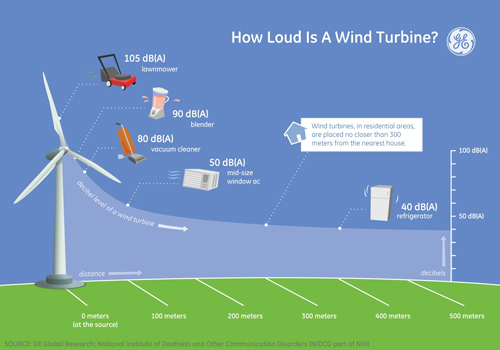
From GE Reports, a blog that is sponsored by GE but created by a group of tech bloggers and editors. The content covers topics from aviation to alternative energy to healthcare — virtually everything in the “innovative technology” space.
by jboullion | Nov 18, 2010 | Uncategorized
From an article in the La Crosse Tribune:
Wisconsin Gov.-elect Scott Walker has said he will halt the state’s participation in the high-speed rail project.
But open houses for the environmental impact study on the proposed Milwaukee-Twin Cities high-speed passenger rail corridor remain set for Nov. 30 in La Crosse, Nov. 29 in St. Paul, Minn., and Dec. 6 in Rochester, Minn., the Minnesota Department of Transportation said Wednesday.
The study, which began in March, will analyze all possible routes for high-speed passenger rail between Milwaukee and the Twin Cities, MnDOT said. La Crosse- and Winona-area leaders have sought to have the high-speed corridor follow Amtrak’s Empire Builder route through the region.
The Wisconsin DOT will host the La Crosse open house from 5 to 7 p.m., with a brief presentation at 5:30 p.m. Nov. 30 at the Best Western Riverfront Hotel, 1835 Rose St. Public comments will be accepted at the open houses and through the Minnesota DOT’s website beginning Nov. 29.
by jboullion | Nov 17, 2010 | Uncategorized
From a presentation by RENEW executive director Michael Vickerman at the November 15-16, 2010, in St. Paul, MN:
•Understand that demographics matter – there is a deep cultural divide between farm households and commuter households
•Developers who operate in a transparent, above-board, even-handed manner will eventually earn the community’s trust
•Maintain an active presence in the community – figure out a way to support youth groups and local charities
•How one responds to complaints in the first year of project operation will make a lasting impression
•While it not possible to please all the people all the time, strive to stay on the good side of the most influential residents
•Eventually, wind turbines will become an accepted part of the landscape
•Good neighbor payments are helpful, but they’re no panacea
45 dBa sound thresholds are here to stay
•Sensitivities to environmental impacts vary widely – how individuals may respond to environmental changes can’t be predicted accurately
•Opposition to wind energy capture is as old as Don Quixote
•Some individuals are intrinsically put off by tall structures and continuous motion
•Public acceptance of WI’s smallest projects has been very high
by jboullion | Nov 17, 2010 | Uncategorized
Join us as we tell Scott Walker that Wisconsin can’t afford to say NO over $800 million dollars in federal grant funds for this project, 9,570 permanent jobs, and increased property values.
When: Saturday, November 20th, 12:00 – 12:45 p.m
Where: Milwaukee Intermodal Station, 433 West St. Paul Ave
Who: Congresswoman Gwen Moore (invited); Sen. Spencer Coggs, SD 6; Robert Craig, Citizen Action; Rosemary Wehnes, Sierra Club; Phil Neuenfeldt, AFL CIO (invited), and You. More details.
If we want to save this train, we need to speak up now! Join us as we tell Scott Walker that Wisconsin can’t afford to say NO over $800 million dollars in federal grant funds for this project, 9,570 permanent jobs, and increased property values. Let’s extend the popular Hiawatha service connecting Chicago and Milwaukee. Let’s create a safe, convenient efficient way to travel throughout the Midwest. We can make a difference, IF we stand together. Please attend and bring a friend!
by jboullion | Nov 17, 2010 | Uncategorized
Join us as we tell Scott Walker that Wisconsin can’t afford to say NO over $800 million dollars in federal grant funds for this project, 9,570 permanent jobs, and increased property values.
When: Saturday, November 20th, 12:00-12:45 p.m
Where: La Crosse Amtrak Station, 610 St. Andrews St
Who: Representative Jennifer Shilling, AD 95; Jennifer Dausey, UW La Crosse / Sierra Student Coalition; Marilyn Pedretti, Sierra Club – Coulee Region Group (invited)and You. More details.
If we want to save this train, we need to speak up now! Join us as we tell Scott Walker that Wisconsin can’t afford to say NO over $800 million dollars in federal grant funds for this project, 9,570 permanent jobs, and increased property values. Let’s extend the popular Hiawatha service connecting Chicago and Milwaukee. Let’s create a safe, convenient efficient way to travel throughout the Midwest. We can make a difference, IF we stand together. Please attend and bring a friend!
by jboullion | Nov 17, 2010 | Uncategorized
Join us as we tell Scott Walker that Wisconsin can’t afford to say NO over $800 million dollars in federal grant funds for this project, 9,570 permanent jobs, and increased property values.
WHEN: Saturday, November 20, NOON
WHERE: Phoenix Park, Riverfront Terrace & S. Barstow St, Eau Claire, WI
Speakers include Sen. Kathleen Vinehout (invited); Jeremy Gragert (UW Eau Claire graduate); Representative, West Central Rail Coalition (invited). More details.
If we want to save this train, we need to speak up now! Join us as we tell Scott Walker that Wisconsin can’t afford to say NO over $800 million dollars in federal grant funds for this project, 9,570 permanent jobs, and increased property values. Let’s extend the popular Hiawatha service connecting Chicago and Milwaukee. Let’s create a safe, convenient efficient way to travel throughout the Midwest. We can make a difference, IF we stand together. Please attend and bring a friend!
by jboullion | Nov 16, 2010 | Uncategorized
Tom Stolp
November 16, 2010 at 12:46pm
Subject: November’s Green Drinks – Thanksgiving Edition – Tomorrow at 5:00pm
Hi All,
I hope to see you tomorrow (WED) at 5:00PM at Harmony Corner Cafe for drinks and conversation. We’ll be joined by Nik Novak from Just Local Food Cooperative who will be sharing some ideas on making our Holidays greener.
Bring your ideas on greener gifts, sustainable recipes, and earth-friendly activities for this year’s holiday season.
Please send me a quick RSVP if you plan on attending.
See you tomorrow at 5:00pm
-Tom
by jboullion | Nov 16, 2010 | Uncategorized
From an article in BizTimes Daily:
The Obama administration plans to quickly reallocate money designated for high-speed rail if states granted the funds reject them, according to U.S. Transportation Secretary Ray LaHood.
LaHood made the announcement Monday night to hundreds of politicians, businesspeople, urban planners and rail enthusiasts gathered in New York City to assess the state of high-speed rail in the United States. The three-day conference was presented by the U.S. High Speed Rail Association (USHSR).
Wisconsin Governor-elect Scott Walker, a Republican, has called a planned $810 million high-speed rail line between Milwaukee and Madison a “boondoggle” and is vowing to stop the project.
Ohio Governor-elect John Kasich, also a Republican, has called a planned $400 million high-speed rail line to connect Columbus, Cincinnati and Cleveland a “dead train.”
LaHood said Wisconsin and Ohio will forfeit those federal funds if their governors reject the rail lines.
When the state funds are rejected, LaHood said Monday night, they will be redistributed “in a professional way in places where the money can be well spent,” according to The Washington Post.
by jboullion | Nov 15, 2010 | Uncategorized
From an editorial in the Milwaukee Journal Sentinel:
We need jobs; this would provide some. We need economic development; this would link the state to those networks. Think of it as state money coming home.
Governor-elect Scott Walker wants to stop a fast rail line from Milwaukee to Madison essentially because he thinks it would be a waste of taxpayer money. But what’s really in danger of being wasted here is opportunity: opportunity for jobs, for economic growth, for a modern balanced transportation system.
Walker ran on a campaign that emphasized the need for jobs, jobs and more jobs. He has promised to call a special session as soon as he’s sworn into office aimed at creating a more business-friendly atmosphere in Wisconsin. He has promised to create 250,000 jobs in his first term. His approach is right on target.
What he and other critics of rail miss is that creating a network of fast trains to connect Midwestern cities can play an essential role in helping businesses connect and in creating jobs. Providing another option to traffic-jammed freeways and hassle-plagued airports could attract new companies and young workers who prefer working on a train to sitting in traffic or being body-scanned in an airport. Add in gas prices that are bound to go up and Wisconsin’s occasionally traffic-killing weather, and traveling by rail becomes even more attractive.
Fast rail probably works best for medium-range traveling, say in the 100- to 400-mile range, which is exactly what’s being discussed here. And while speeds won’t reach the true high-speed standards of Europe and Japan, they are expected to be up to 110 mph by 2015 and will still provide a convenient service that avoids the hassles of driving and flying and allows passengers to rest or work while they’re traveling. Using rail to connect business centers and research parks in Chicago to such centers in Milwaukee, Madison and Minneapolis could help those centers interact and feed off each other for growth.
If that network isn’t built here, companies and young workers will go to places such as Denver, Minneapolis, Portland, Seattle and Salt Lake City that embrace transit, as Steve Hiniker of 1000 Friends of Wisconsin told us.
A report released earlier this year by the U.S. Conference of Mayors looked at the potential benefits of high-speed rail for four “hub” cities: Albany, Chicago, Orlando and Los Angeles. Chicago would be the center of a network that would connect the city to St. Louis, Detroit and Minneapolis (with stops in Milwaukee and Madison). The report projected “as much as $6.1 billion a year in new business sales, producing up to 42,000 jobs and $2.5 billion in new wages.”
by jboullion | Nov 12, 2010 | Uncategorized
From an article by Nick Paulson in the Stevens Point Journal:
AMHERST — Since 1971, Marguerite Ramlow and her husband, Bob, have renovated their rural property seven miles south of the village of Amherst, making it more sustainable and eco-friendly with every step.
And since they opened Artha Bed and Breakfast almost four years ago, that process has accelerated.
Solar panels provide electricity and heat water. The wood paneling comes from maple trees felled in a windstorm. Even the sheets, towels and cleaning products are organic.
“We want to show people they can live sustainably and be very comfortable,” said Marguerite, who, along with Bob, runs the Artha Sustainable Living Center, which includes the bed and breakfast.
This week, the couple were rewarded for their commitment. Artha, 9784 County Road K, was named honorable mention on a list of the top “eco-elegant” B&Bs by the Wisconsin Department of Tourism.
The department’s Travel Green program showcases top destinations for ecotourism, and being featured so prominently should be a boon to an already sound business.
“Just having our name out there will make people aware there is a place like this nearby,” Marguerite said.
A blurb by Travel Green describing the center mentioned the renovated farmhouse, solar heat and other information the center offers B&B guests.
“Guests come for the hands-on workshops and retreats on solar water heating, gardening and yoga,” the blurb states.