Planting Solar Where It Matters Most

Planting Solar Where It Matters Most

Meet RENEW Wisconsin’s Spring 2026 Solar for Good Awardees

Casa Ester has been in Omro for nearly twenty years. They welcome migrant farmworker families arriving in Winnebago County, run a youth garden that donates produce to local food pantries, teach social justice education to participants in over a dozen countries, and last year alone helped more than 450 people stay housed. Every dollar they have goes toward the people who walk through their door.

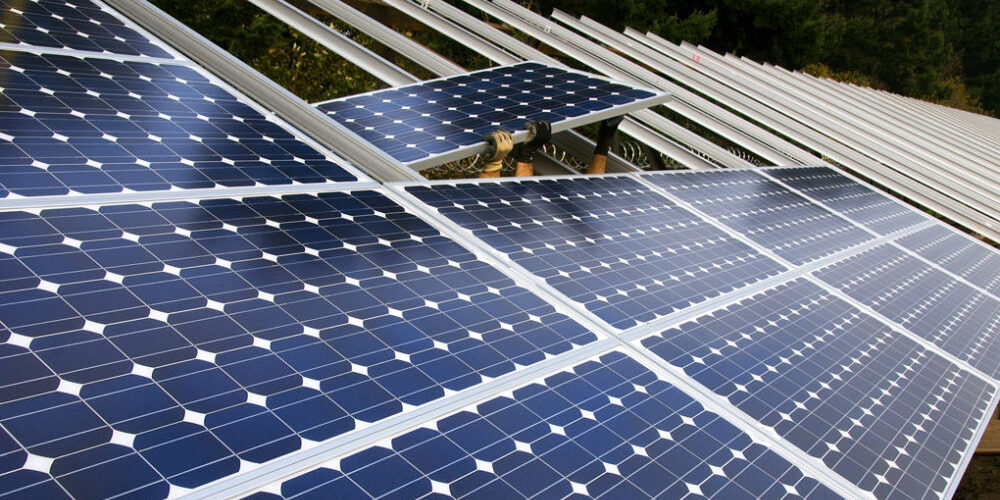
When Casa Ester decided to go solar, the reasoning was clear. Spending less on electricity means more money available for families facing eviction. They, along with five other organizations, have been selected as awardees of this spring’s Solar for Good grant round. Each organization will receive a $5,000 grant to support its efforts to reduce its energy burden and carbon footprint. By going solar, they can do more to serve communities across the state.

The Spring 2026 Awardees

In Chippewa Falls, Hope Village is the only no-cost emergency shelter in Chippewa County. Since 2016, they have helped 339 people navigate housing instability, with 71% finding permanent housing on the other side. This is their second solar project, built on the success of the first. Lower energy costs mean more capacity to serve guests, run programming, and keep the doors open for people who have nowhere else to go.

In Tomah, First Congregational UCC has been working toward solar for three years. Located in Monroe County’s highest-poverty city, they run an early childhood center, support foster families, and provide meals at the free clinic. This summer, they will become the first church in Tomah to go solar and are already planning an open house where they will invite every congregation in town and ask the question they have been sitting with.

TransCenter for Youth has been running small alternative high schools in Milwaukee since 1973, serving students who have not found their footing in larger, more traditional systems. At Shalom High School, students will soon track real-time energy production from a restored solar array through a live dashboard they helped design. The energy savings go back into the school. Beyond the financial benefit, there is something meaningful about a school where students have often been told resources like this are not available to them choosing to lead on clean energy.

At Lake Mills Area School District, solar is going up across the Elementary and Middle Schools. The district also runs a senior center partnership, a multilingual learner program for immigrant families, and a student-run food pantry called The Mills. The energy savings from a project of this size are real and recurring, freeing up resources year after year to keep those programs funded and those buildings open to the full community.

In Strum, the local public library is building a timber-framed solar canopy that also serves as an outdoor learning and programming space. The savings on utilities go directly back into programming for the community. This summer, children in the reading program will learn about solar energy through hands-on activities and watch live energy production on a display inside the library. It is a thoughtful investment from a community that takes its role as a public resource seriously.

The Same Logic, Six Times Over

Six organizations. Six communities. Different missions, different zip codes, different sizes. The same logic runs through all of them: when organizations spend less on keeping the lights on, they have more to give to the people who need them most. We are proud to support each of these groups and look forward to celebrating with them at their ribbon cuttings.

Help Us Do More of This

Every organization in this cohort is doing more for their community because solar has freed up room in their budget. Solar for Good runs on the support of donors who believe clean energy should reach every corner of Wisconsin, not just the places that can easily afford it. A gift goes directly toward grants for nonprofits, schools, libraries, shelters, and faith communities doing work that matters.

Every $5,000 raised is one more organization that gets to do a little more for its community. It’s that simple.

If this work resonates with you, please consider making a gift today. Help us continue to plant solar where it matters most.
PSC Critizes, Modifies, and Approves Alliant Energy Data Center Contract

PSC Critizes, Modifies, and Approves Alliant Energy Data Center Contract

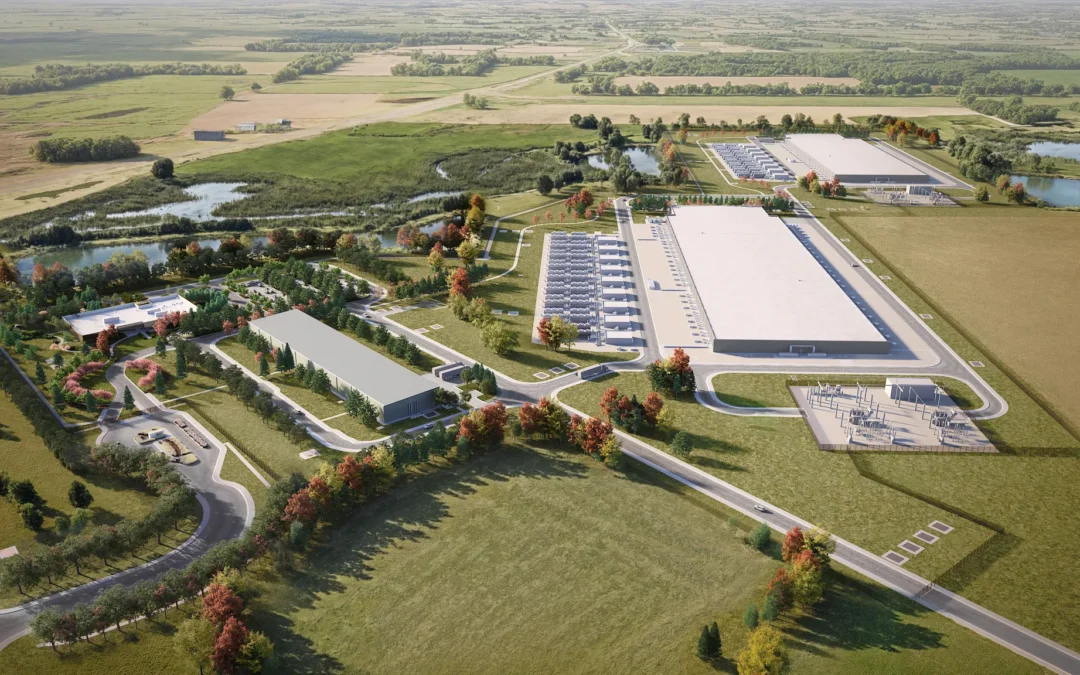
On Thursday, May 7, the Public Service Commission of Wisconsin (PSC) approved Alliant Energy’s contract with Meta regarding their data center in Beaver Dam, but not before criticizing their lack of transparency and significantly modifying the contract. Modifications included safeguards requiring the utility to cover transmission costs and to address the potential for underpayments from the data center.

The PSC was clear today in its decision regarding Alliant Energy’s contract with Meta—Wisconsin utilities must be more transparent about their relationships with data centers and ensure that not a single cent of the costs of powering data centers is passed on to Wisconsin families and small businesses.

“I want it to be clear that whether you’re a large load customer coming in to Wisconsin for the first time or a regulated entity familiar with our process, transparency, and by that I mean actual and real transparency, is a foundational expectation and a necessity,” Commissioner Summer Strand said. “Frankly, transparency is quite often mutually beneficial, and I don’t think it needs to be this difficult, so I was a little disappointed, and initially, it was like pulling teeth here to increase the transparency.”

We are encouraged by the PSC signaling that they want utilities not only to place greater emphasis on transparency, but also to have a Very Large Customer tariff that is the same for each data center in their territory. This makes it easier to ensure that each data center pays the same and that all of them pay their own way in Wisconsin.

Though we would have preferred a rejection of this contract today, there was a clear win. As it should be, the PSC is ensuring it is easy for us to verify that data centers are paying for their own energy and infrastructure.

We also encouraged the PSC to be proactive in urging data centers to invest in clean energy technology, especially emerging or cutting-edge technologies. These new neighbors have the resources to spur growth in the world of renewables, and if they intend to be responsible neighbors, they will help us expand our renewable energy footprint rather than stall our progress in combating climate change.

No More Kings: Let’s Build the Future While the Administration is Distracted

No More Kings: Let’s Build the Future While the Administration is Distracted

We’ve seen this history play out before.

Just as momentum for clean energy gains ground—projects rising, costs falling—a new decree arrives from above. The return of top-down, centralized energy policy isn’t just a debate; it’s an attempt to rule by rollback. It’s the old guard trying to reclaim power by stalling investment and clouding the future with uncertainty.

But here’s the thing about progress: it doesn’t belong to any single person. It belongs to the people building it on the ground, right here in Wisconsin.

The Decree vs. The Reality

When leadership tries to reign over the energy transition, we, the people, pay the price:

  • Infrastructure is halted by royal red tape.
  • Investment is chased away to more stable lands.
  • Communities lose their independence to volatile, old-world costs.

We aren’t waiting for a coronation or a change of heart in a distant capital. At RENEW Wisconsin, we believe in a self-governing energy future. We move forward because the climate doesn’t care who sits in the Oval Office.

A Revolutionary Act for Your Individual Retirement Account (IRA)

You don’t have to be a spectator in this power struggle. If you are 70½ or older, you have a unique tool to help fund resistance to progress-killing policies: the Qualified Charitable Distribution (QCD).

Think of it as a way that you can defund an agenda you don’t support and put those funds directly into the hands of those building the future.

With a QCD, you can:

  • Move IRA funds to RENEW Wisconsin to protect local projects.
  • Avoid increasing your taxable income.
  • Satisfy your Required Minimum Distribution (RMD) on your own terms.
  • Ensure your legacy builds local power, not political theater.

Let’s Democratize Energy

You’ve spent a lifetime building your own estate. You know that true stability isn’t granted by a leader—it’s built through hard work and foresight.

The window to act is open, but the gates can be slammed shut by the next administration. Don’t let your hard-earned resources be eroded by shifting political winds. Use a QCD to reinforce the progress we’ve made.

Wisconsin doesn’t answer to kings. We answer to the future we build.


About That Hail and Your Solar Panels

About That Hail and Your Solar Panels

April has been a rough month for much of Wisconsin. Hail, high winds, tornadoes, and heavy rain have rolled through the state, causing real damage. Here in Madison, the storm on April 14 brought baseball-sized hail, almost three inches across!

Other parts of central and southern Wisconsin got even bigger stones. Cars were dented. Roofs were torn up. Siding was cracked. Power poles came down. And yes, some solar panels broke too.

That’s the reality of weather like this. Extreme storms damage what’s in their path, and almost nothing on the outside of a home gets a free pass when hail comes down at that size. If your panels took a hit, they may need to be repaired or replaced. That’s not great news, but it’s also not the end of the world.

If you were thinking about going solar before the storms rolled through, the storms shouldn’t change the math on that decision. The path forward, whether you’re repairing a system or building one for the first time, looks a lot like dealing with any other part of your home.

How to Get Your System Back Up and Running

When panels get damaged in a storm like this, the fix looks a lot like dealing with hail damage to your roof or siding. The process moves through a few clear steps.

Contact Your Homeowner’s Insurance and Your Installer

Both should know what happened as soon as possible. Your installer works directly with the insurance company on your behalf from there. They document the damage, walk the adjuster through what they’re seeing, and handle the repair, replacement, and reinstall. The homeowner isn’t navigating it alone.

Know Your Coverage Before a Storm Hits

Most standard homeowner’s policies cover rooftop solar under the dwelling section, but it’s worth confirming that hail and wind are listed as covered perils and that your coverage limit reflects what your system is actually worth. Some policies in hail-prone areas carry separate wind and hail deductibles, and ground-mounted systems sometimes need a separate rider, so it helps to know what your specific policy says before you need to use it.

The Rest of the System Is Built To Make This Manageable

Manufacturers test their panels to real standards. Installers know how to work with insurance companies. Each part does its job so that when something does go wrong, the path forward is clear.

Your installer can also help you sort out what’s covered by equipment warranties versus insurance, and show you how to use your monitoring app to confirm the system is performing normally after repairs.

What Hail Does to a Panel

Knowing what kind of damage you’re looking at helps you follow along when your installer comes out for an inspection.

  • Visible damage is less common than people expect, but also the most obvious when it happens. Cracks, chips, or spiderwebbed glass that you can spot from the ground. The tempered glass on top of a panel is built to take a hit, which is why this kind of damage usually only shows up in the more extreme storms. Worth noting too: when a panel does break, the glass stays contained inside the panel. Solar panels are sealed between layers of plastic and held together by an aluminum frame, so cracks don’t send glass flying across your yard or your neighbor’s.
  • Hidden microcracks are the ones experts worry about more. These are microscopic fractures inside the solar cells that might not affect performance right away, but can spread over time the same way a small chip in a windshield can grow into a longer crack. Left unchecked, microcracks can gradually reduce efficiency and create hot spots inside the panel. That’s why post-storm inspections matter even when a system seems to be running fine. 
  • Cell and busbar damage happens beneath the surface when hail’s impact energy transfers through the glass. The busbars are the thin metal strips that carry electricity across the panel. Modern panels use many ultra-thin busbars or wires per cell, often well into double digits, which helps keep current flowing even if part of a cell takes a hit.

A cracked panel will usually still generate electricity at reduced output. If it needs to be replaced, it should be replaced. If it’s still performing within spec, it can keep running. The key is having someone qualified take a look so you know what you’re working with.

A Quick Note on the Testing

Quality solar panels are built to two main standards that work together.

  • IEC 61215 is the performance and durability standard set by the International Electrotechnical Commission. It covers how a panel holds up against weather, including the hail impact testing, where technicians fire ice balls at panels using compressed air cannons. The basic test uses one-inch ice balls at high speeds, and many panels are tested even further against ice balls up to three inches across at speeds up to 88 miles per hour. To pass, the panel has to keep producing power within spec after the impact.
  • UL 61730 is the safety standard set by Underwriters Laboratories, which covers electrical safety, fire resistance, and structural integrity. Together, they tell you a panel can take the weather and stay safe doing it.

The Bigger Picture

Everything on the outside of your home already takes a beating from Wisconsin weather. Your roof, your siding, your windows, and the AC unit out back. None of that has stopped anyone from owning a home. You carry insurance for a reason, and when something breaks, you call somebody who knows how to fix it. Solar panels are no different than anything else on your house in that respect.

April has been hard on Wisconsin, no question about it. But the things people depend on after a storm have shown up. Insurance is paying out. Installers are out doing the work. Hail and wind can damage panels. That’s true. What matters is having the right people in your corner and the right coverage in place when it happens. A solid installer and the right insurance policy take care of that.

2026 RENEW Wisconsin Summit Recap

2026 RENEW Wisconsin Summit Recap

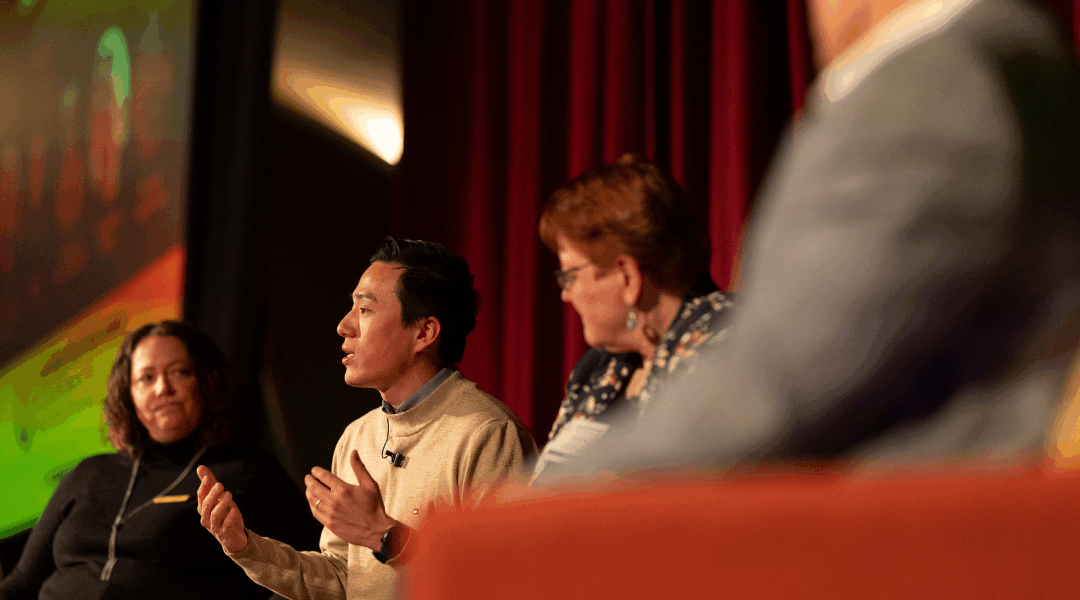
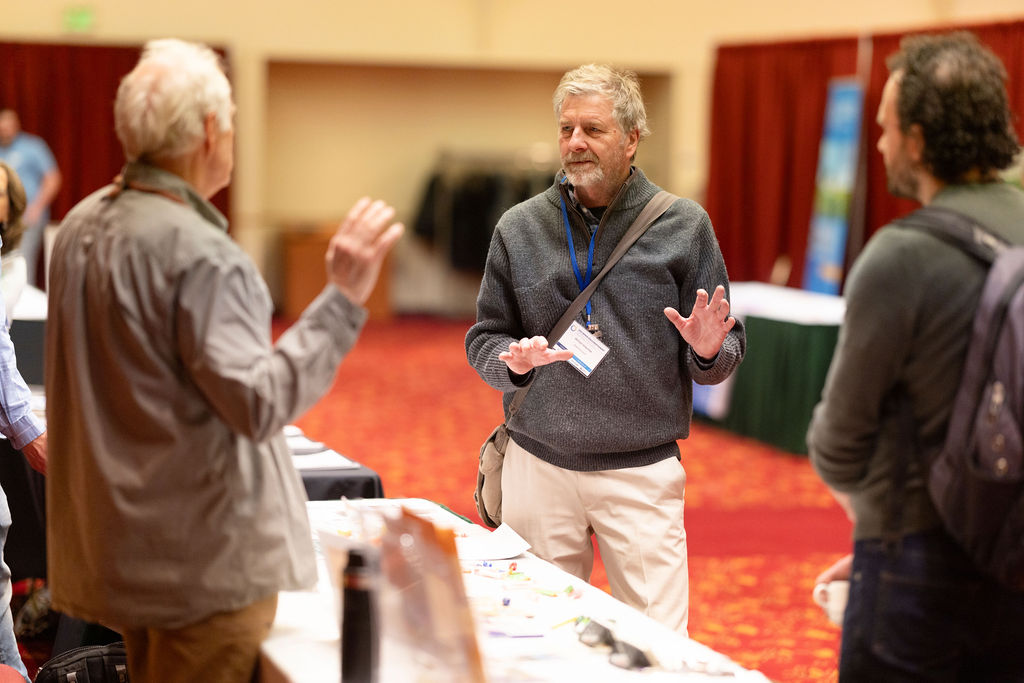
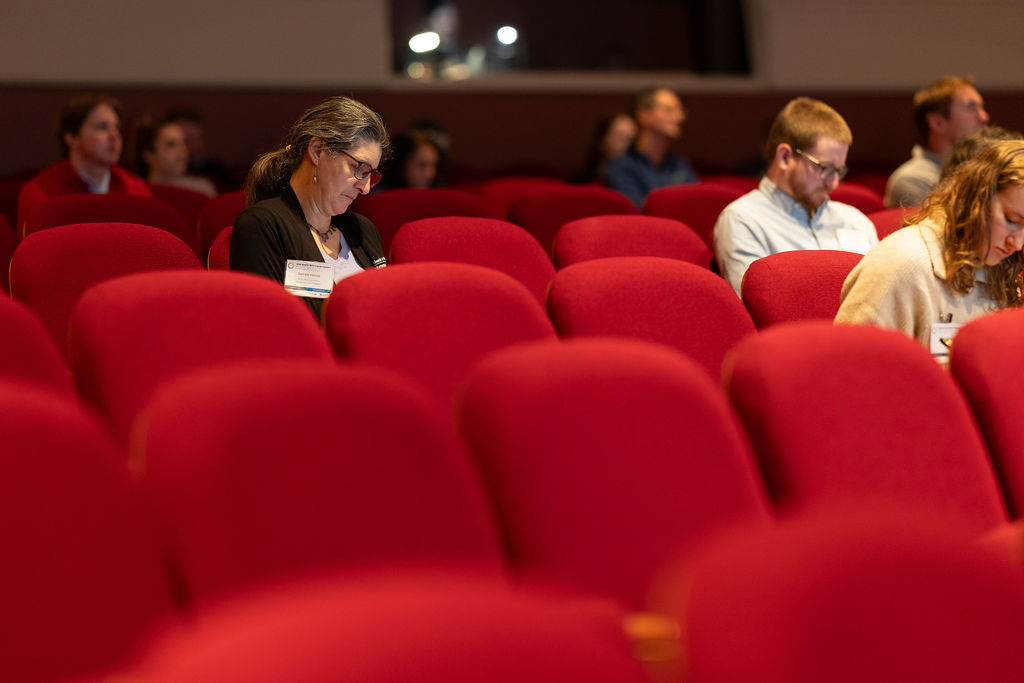
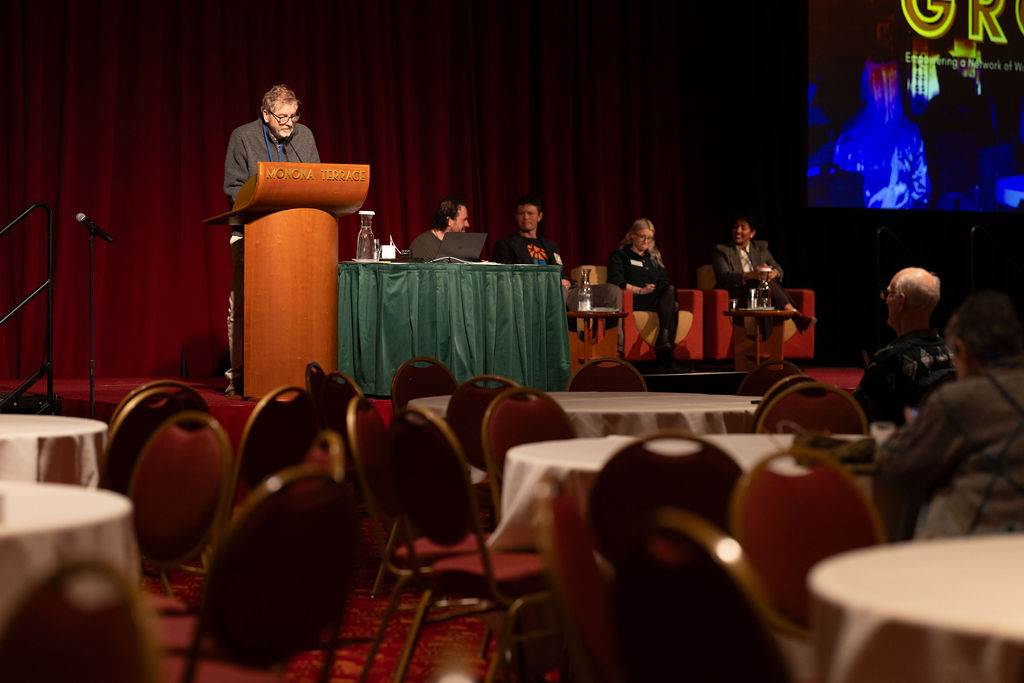
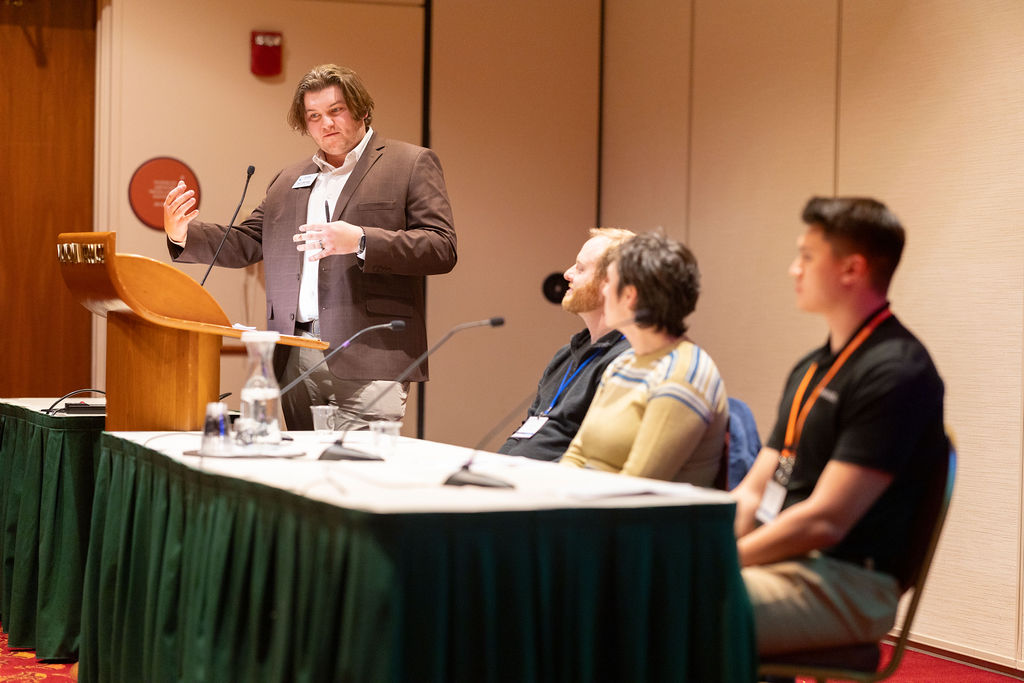
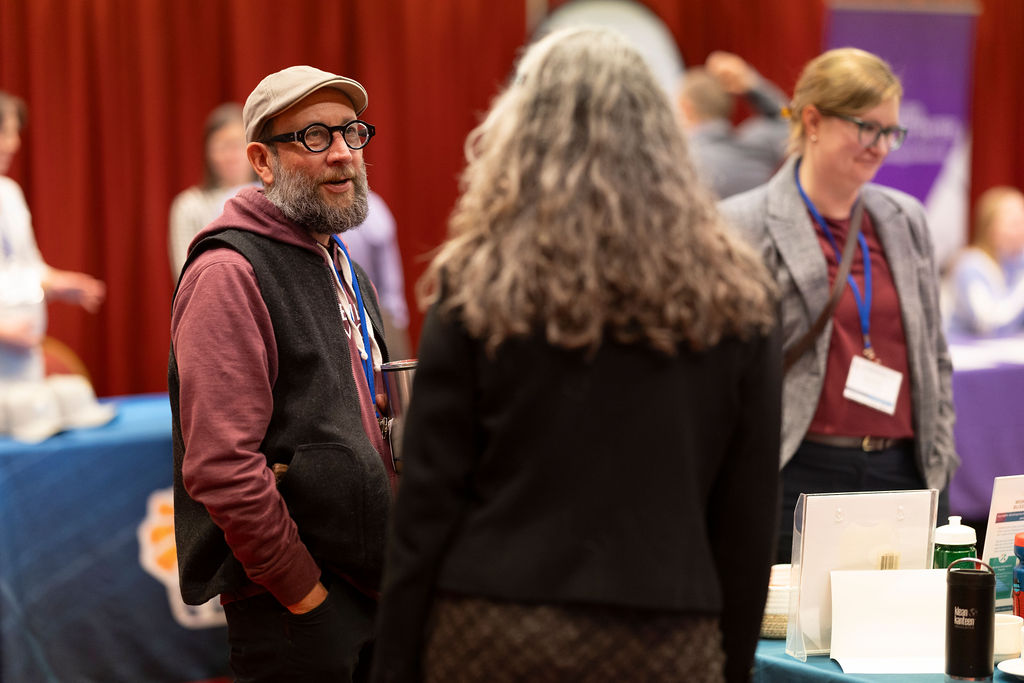
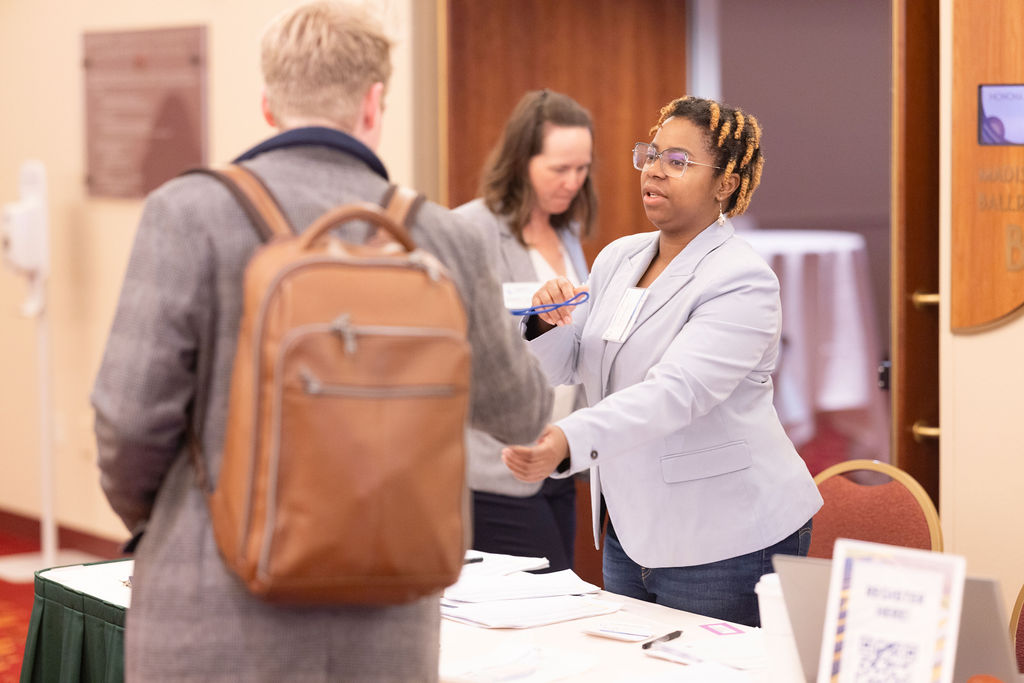
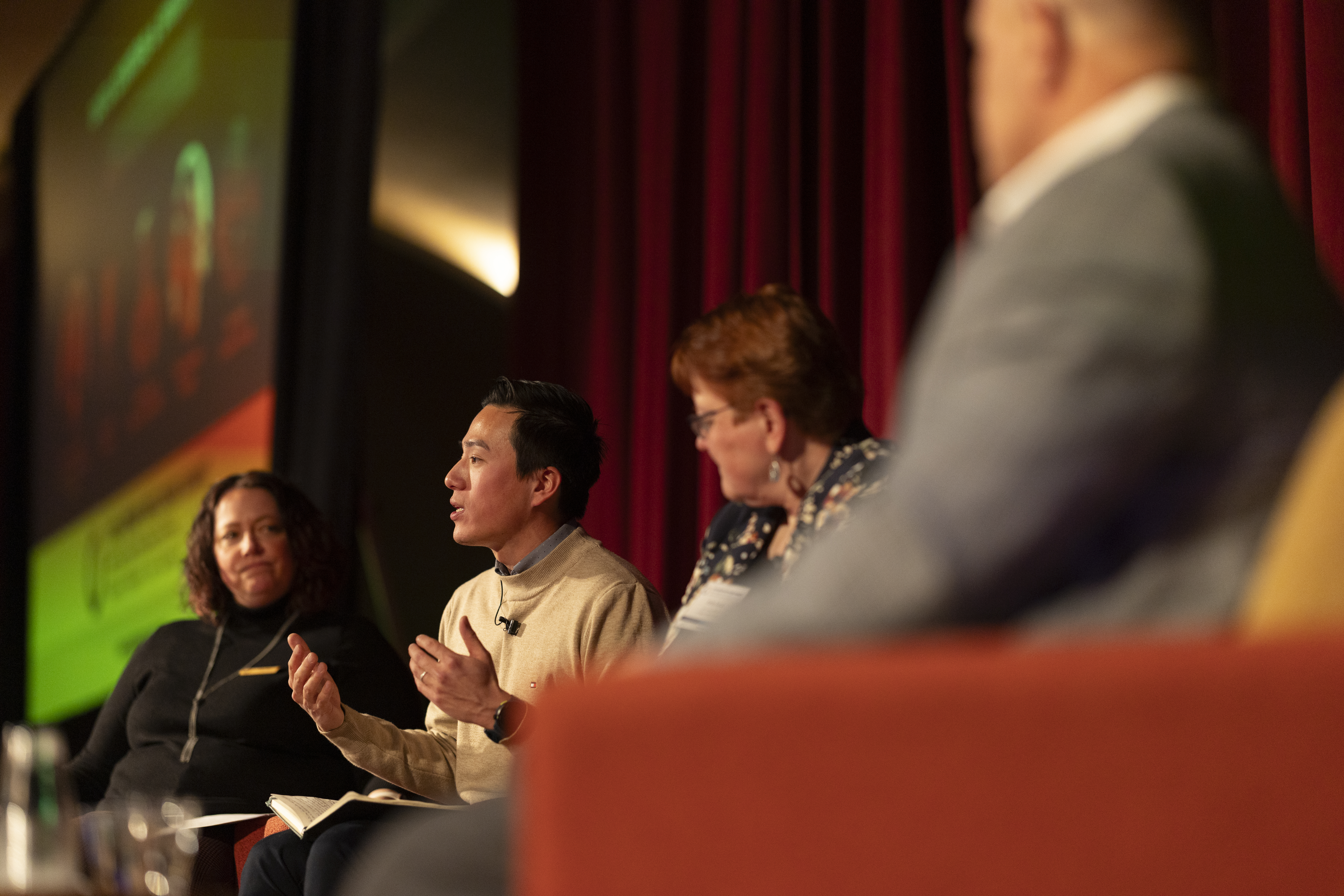
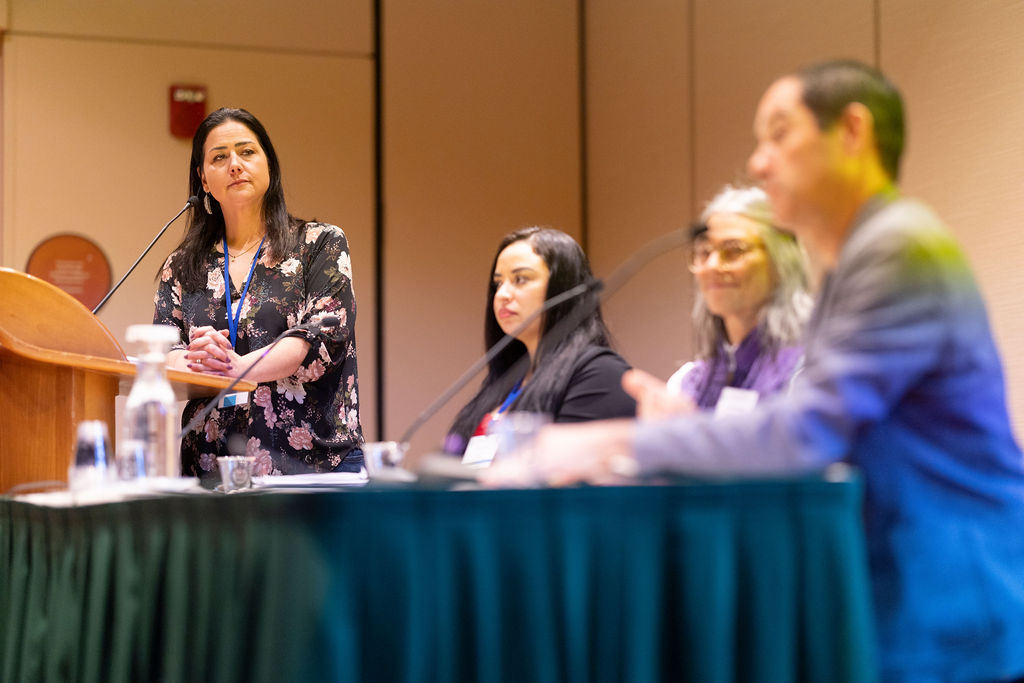
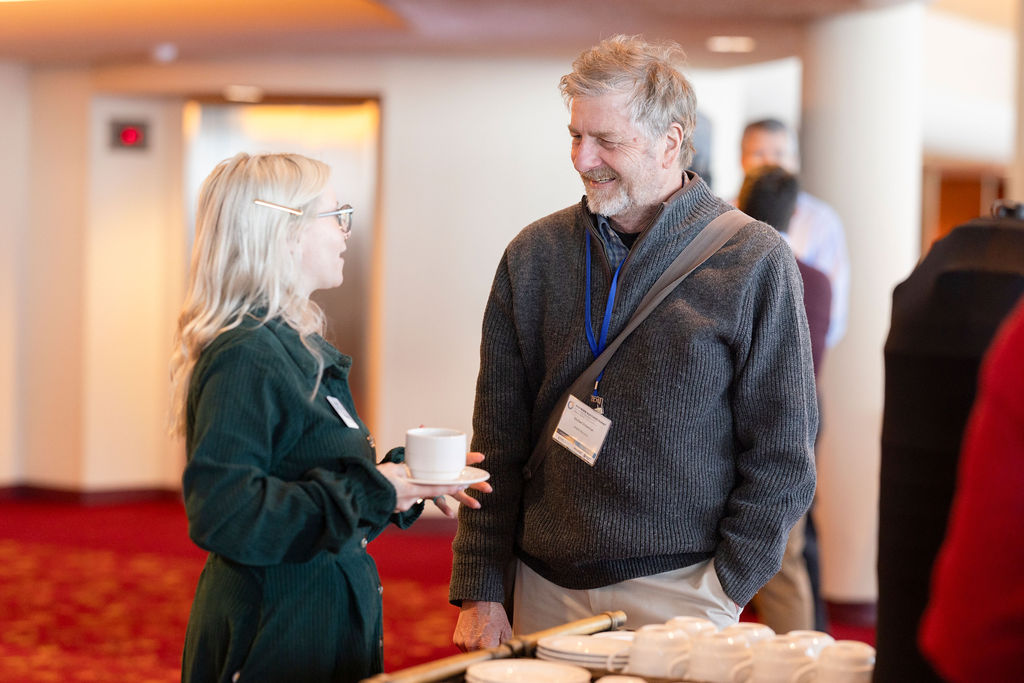
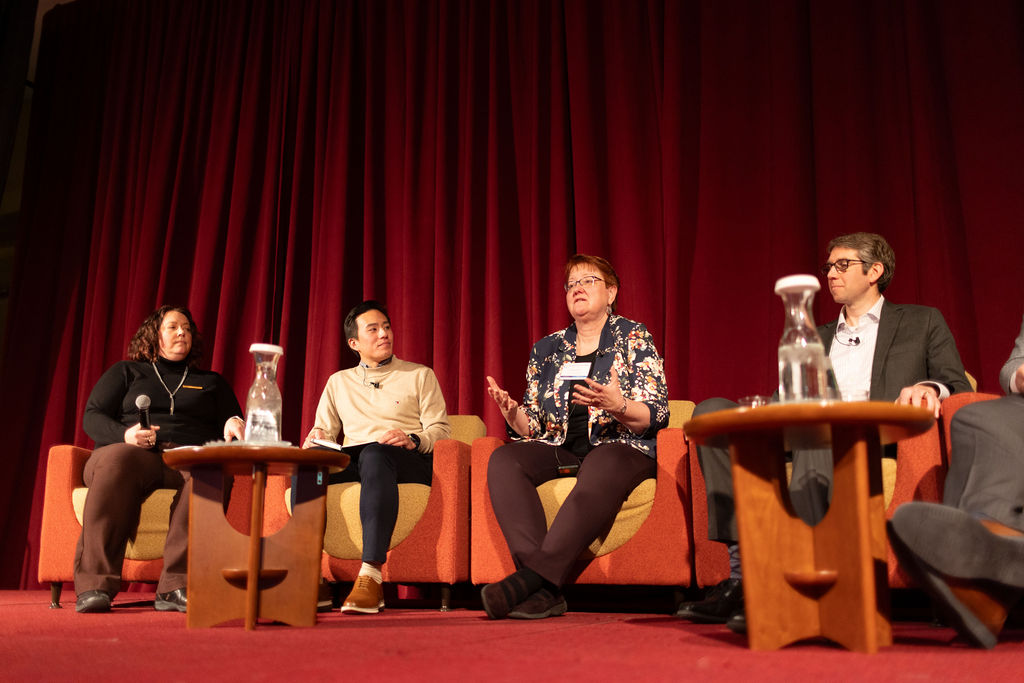
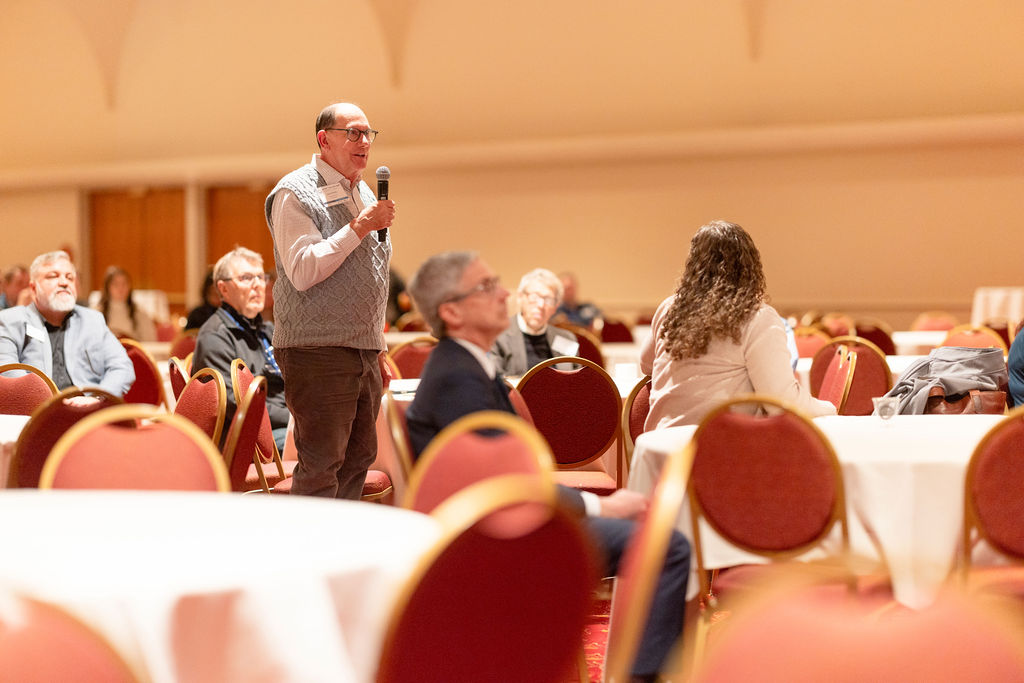
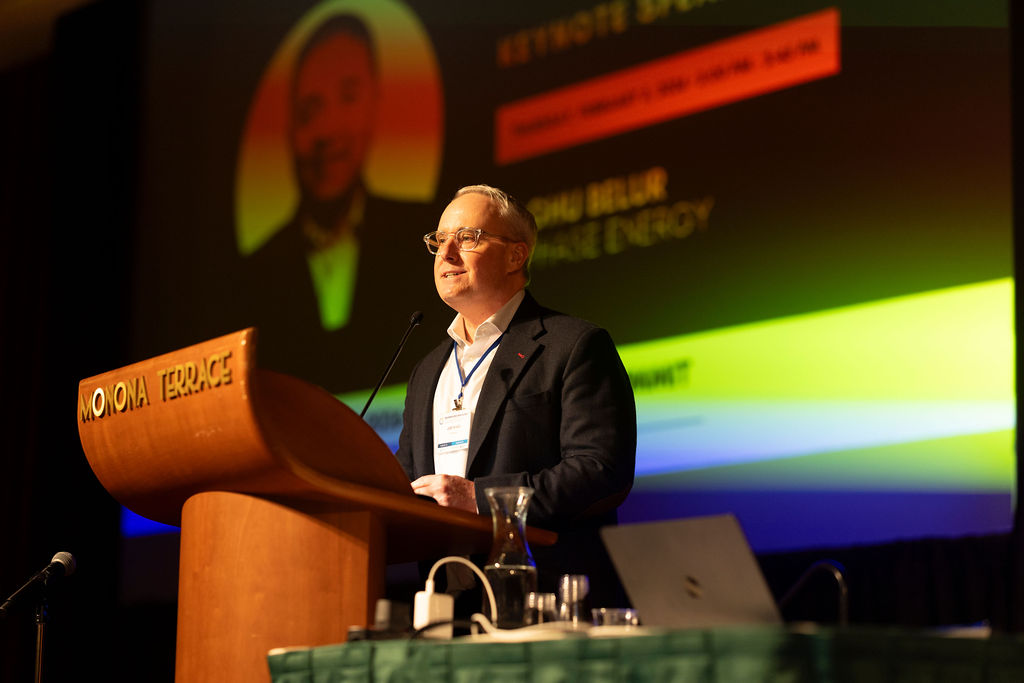
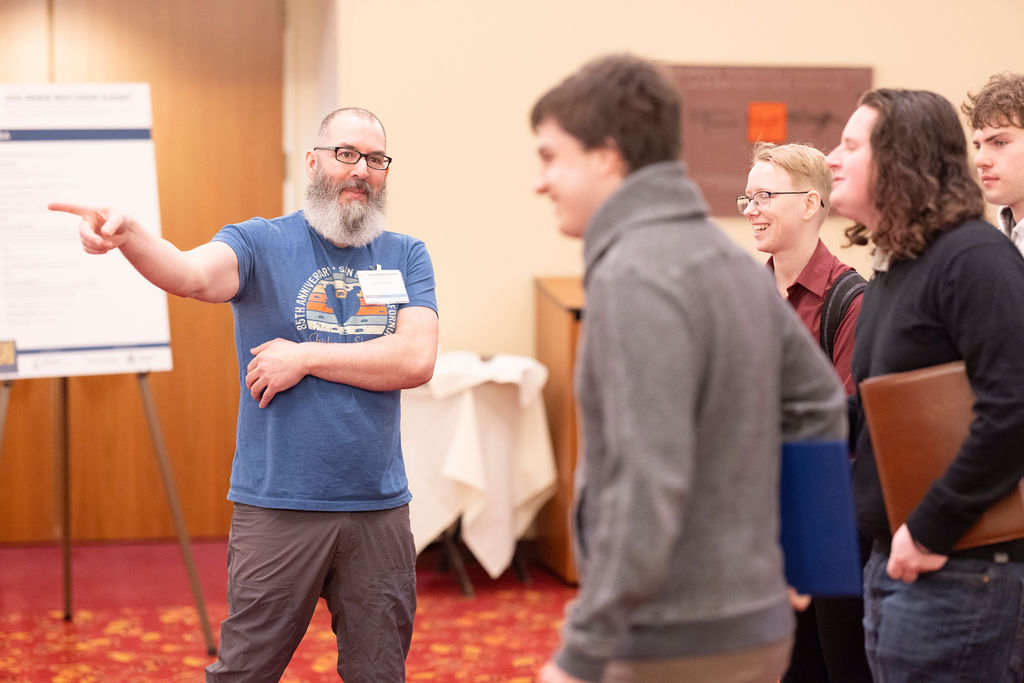
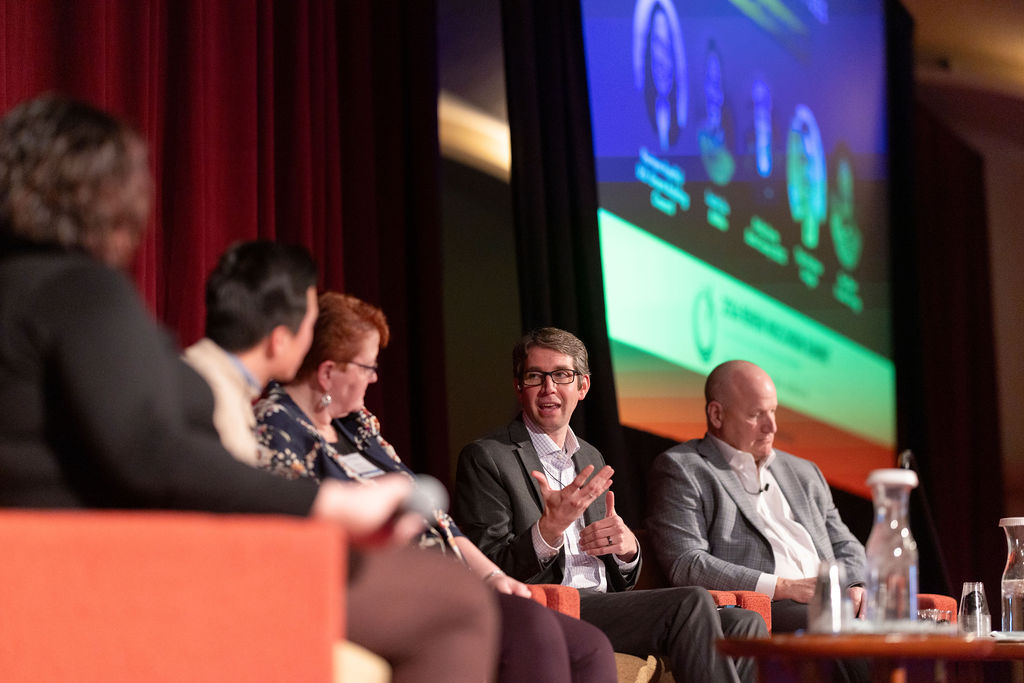
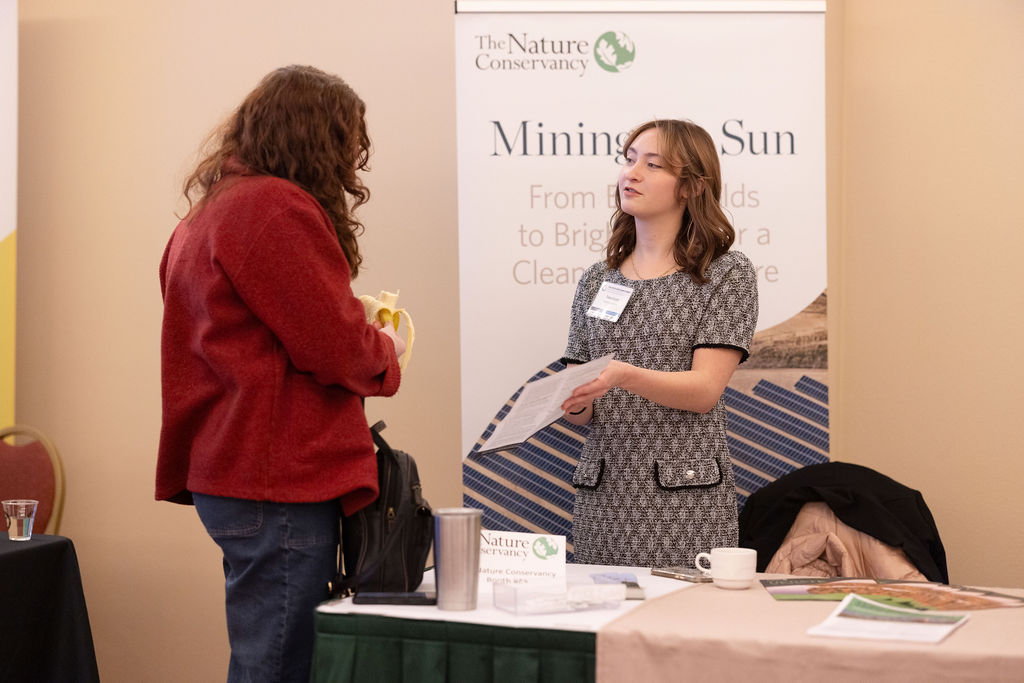
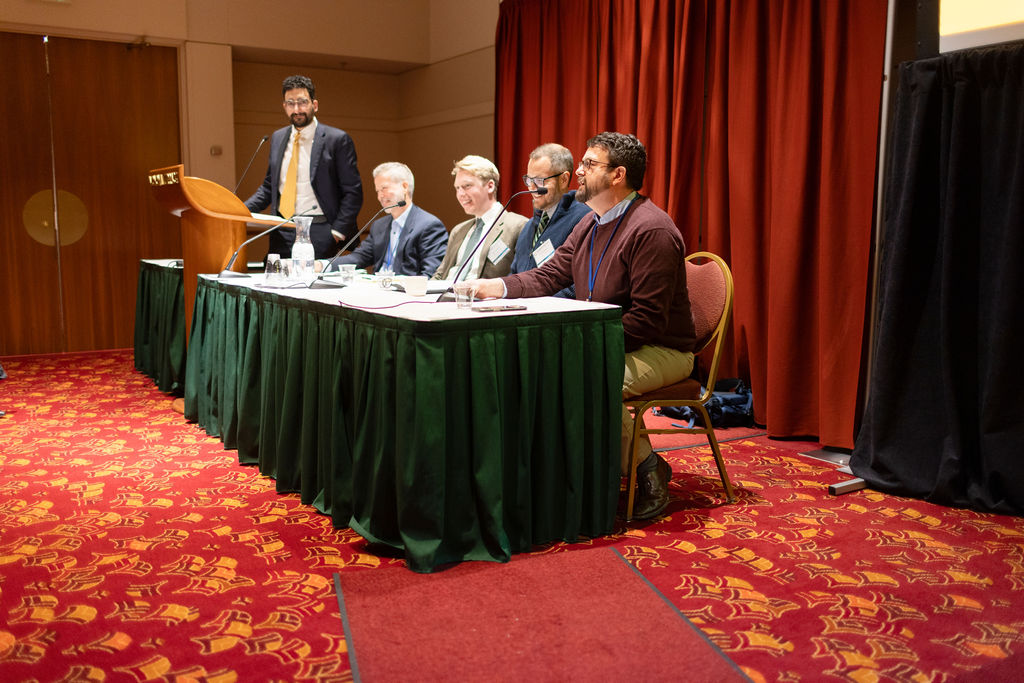
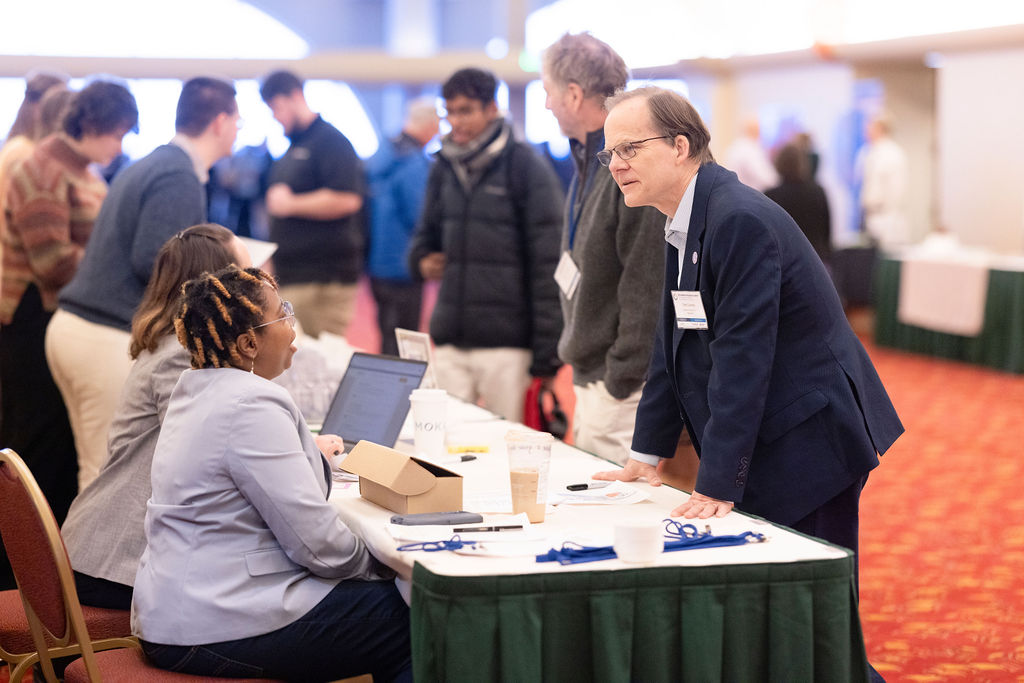
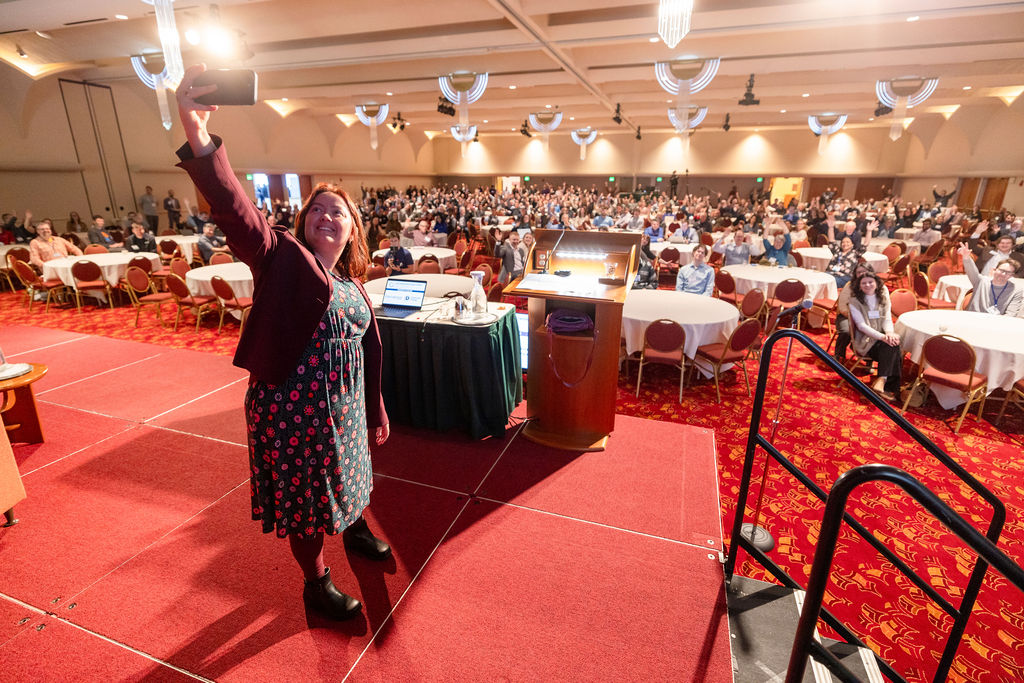
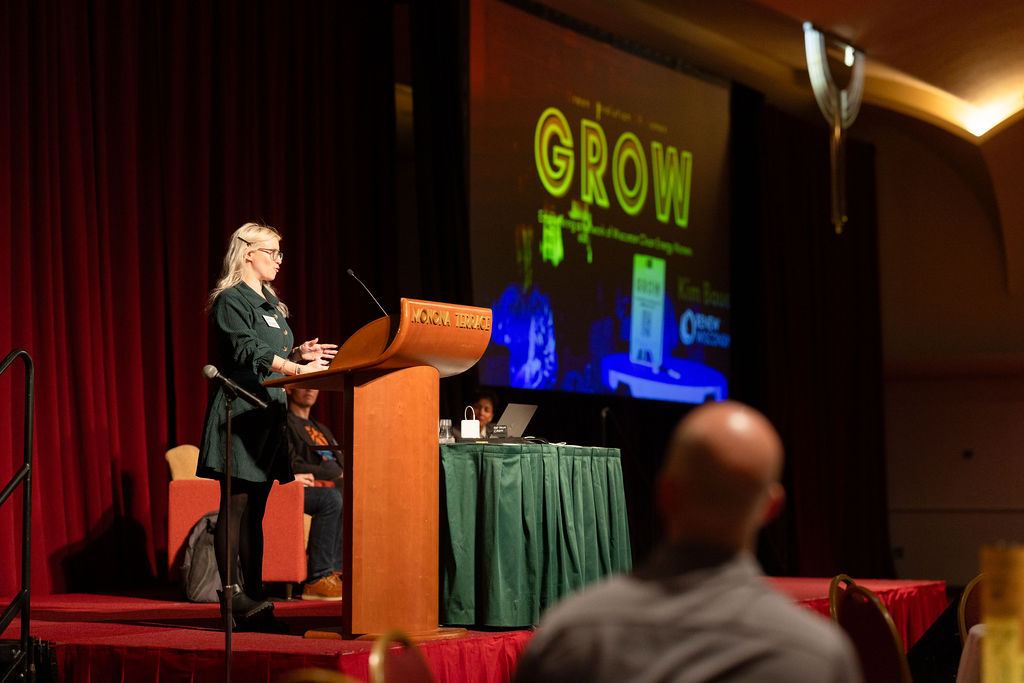
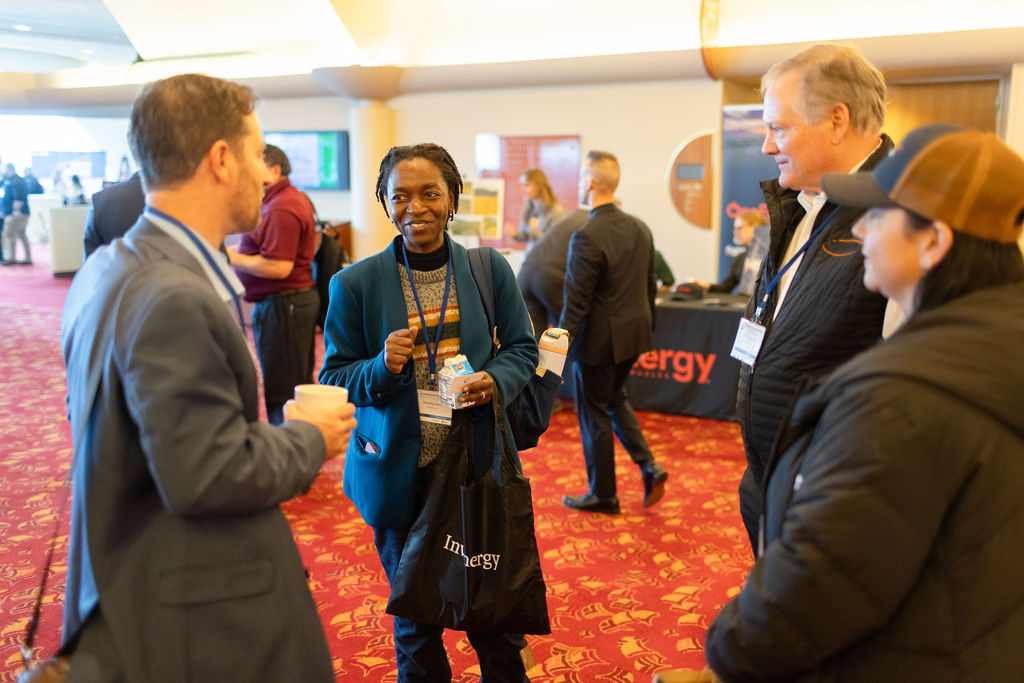
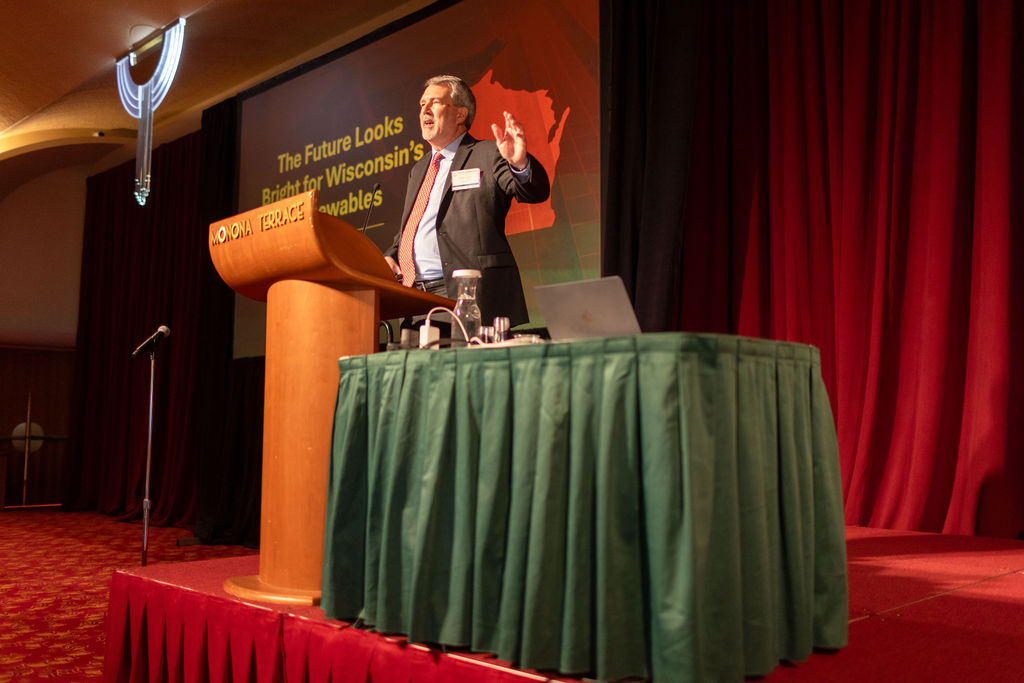
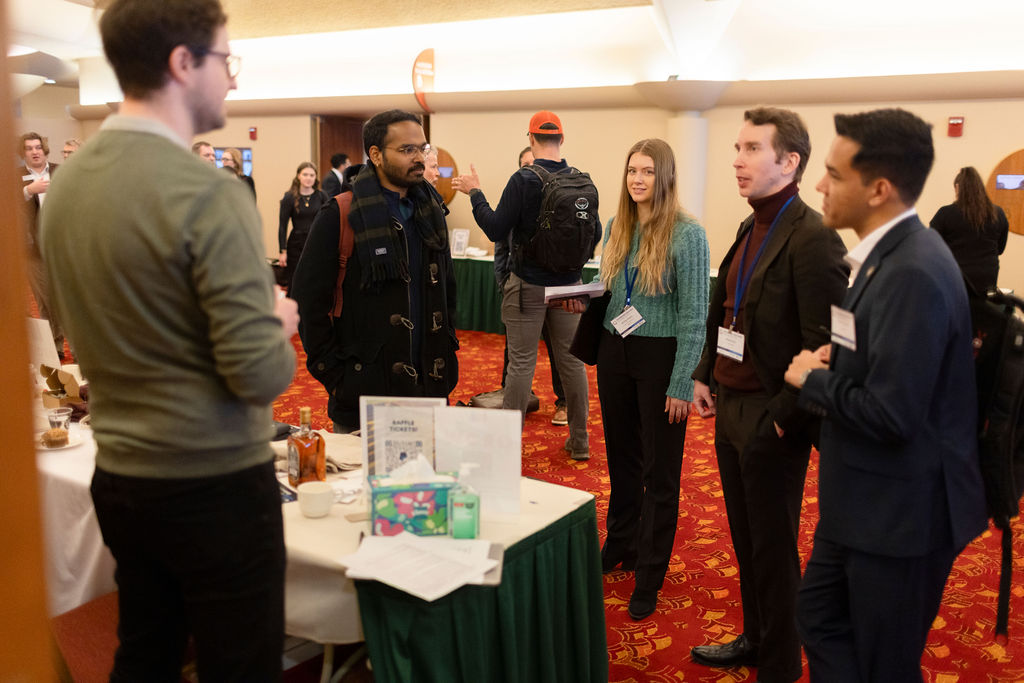
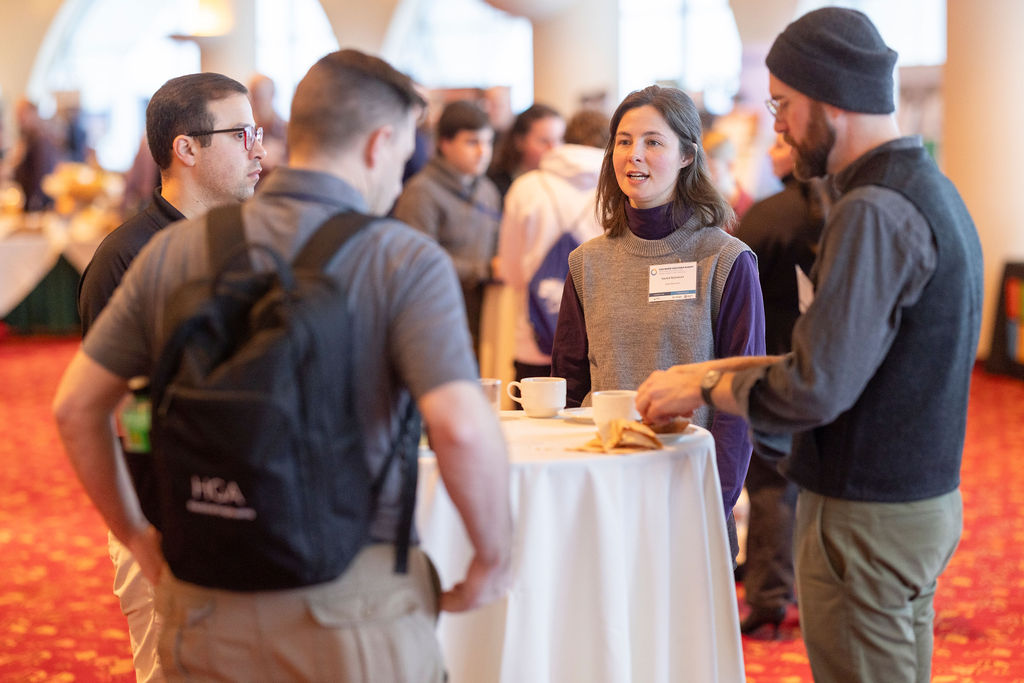
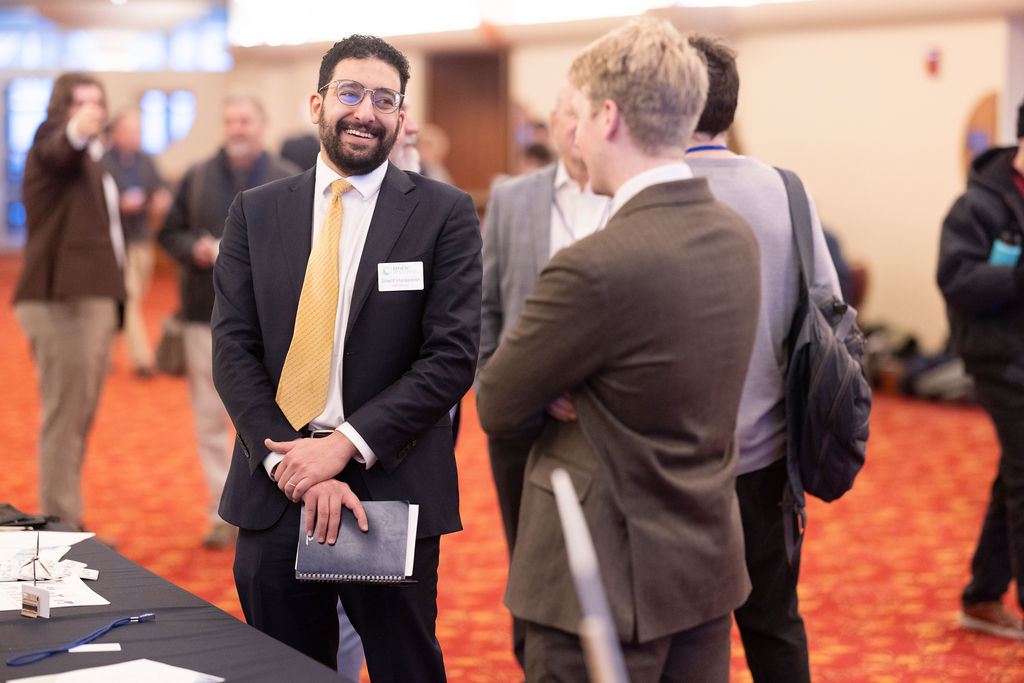
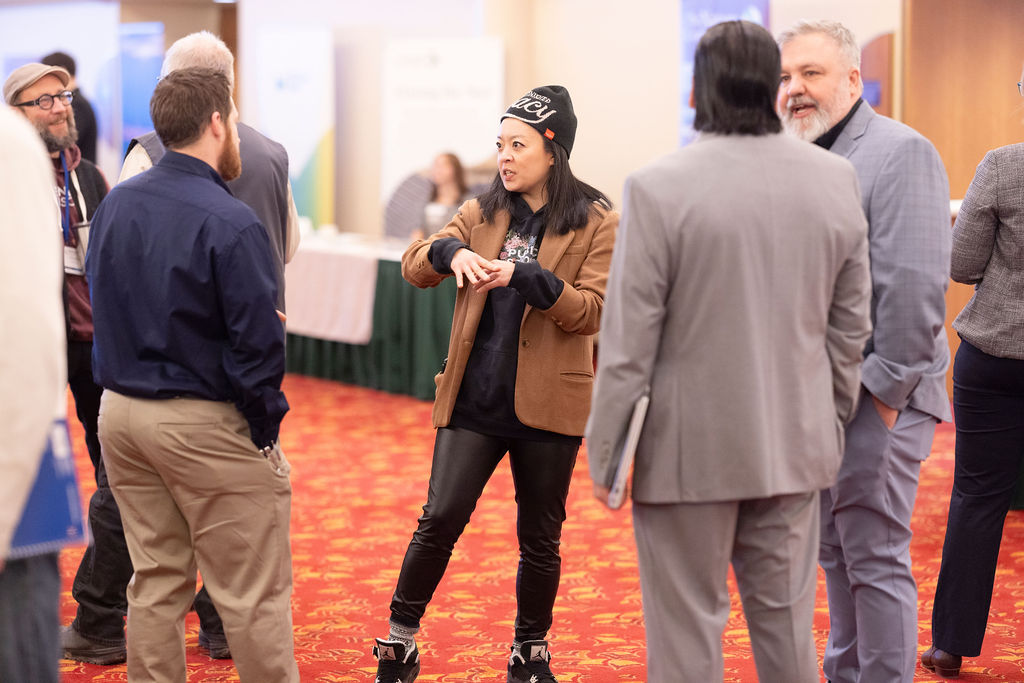
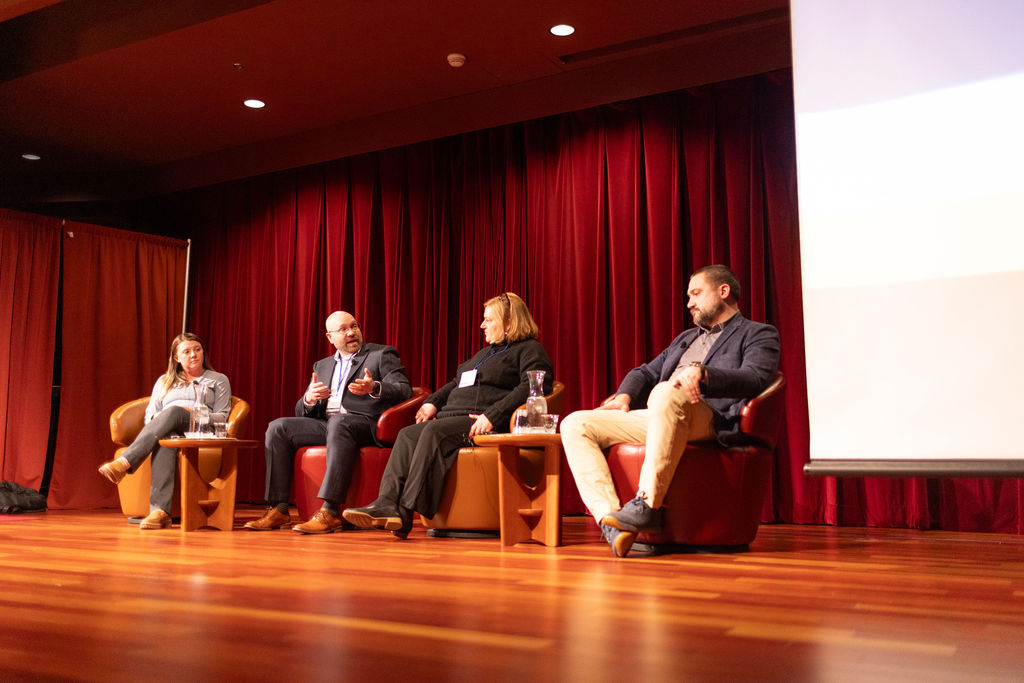
On Thursday, February 5, 2026, RENEW held our 15th annual RENEW Wisconsin Summit, presented by Invenergy and Dimension Energy. More than 600 Attendees from across the country joined us to discuss policy, legislation, and the future of energy, and how we will use clean energy to make Wisconsin more resilient! It’s hard to believe this event has been going on for so long, but it serves as proof that our industry is a resilient one.

This year, we made some small changes to our Summit, and we were happy to hear that most of them went unnoticed. That’s what we had hoped for! What changed, you ask? For the most part, we cut back on things that felt excessive, like the overall amount of food and some similar small parts of the Summit. Though we are all about clean energy, we also understand the importance of reducing waste in everything we do. Besides that, we did what we do every year — we focused on programming that we felt best represented current events so that we could have timely conversations about our industry, however difficult.

We certainly did have some interesting conversations this year, as well as a couple that might have been difficult or uncomfortable for some. That said, we hope you walked away from our programming with a stronger idea of the energy issues facing us in 2026 and some ideas of how we can address them. It’s our hope that the Summit serves as a launching pad for the remainder of the year. If our sessions on data centers, nuclear power, community benefits of utility-scale renewables, financing, or any of the others spurred an idea, we’d love to hear it. Together, we can turn these ideas into action as we continue to build a more resilient Wisconsin by expanding renewable energy.

And finally, we’d like to share some gratitude. The RENEW Wisconsin Summit comes together through the tireless efforts of our staff, board, volunteers, the many speakers who join us, our generous sponsors, and even our many attendees. The collective effort of the renewable energy industry is what makes this event so special, at least we certainly consider it special. It’s our hope that this event means something to all of you as well, because we’re doing it again. We admittedly don’t have many of the details worked out just yet for the 16th RENEW Wisconsin Summit, but we do know that we’ll be back on February 4, 2027. We hope you’ll join us then!

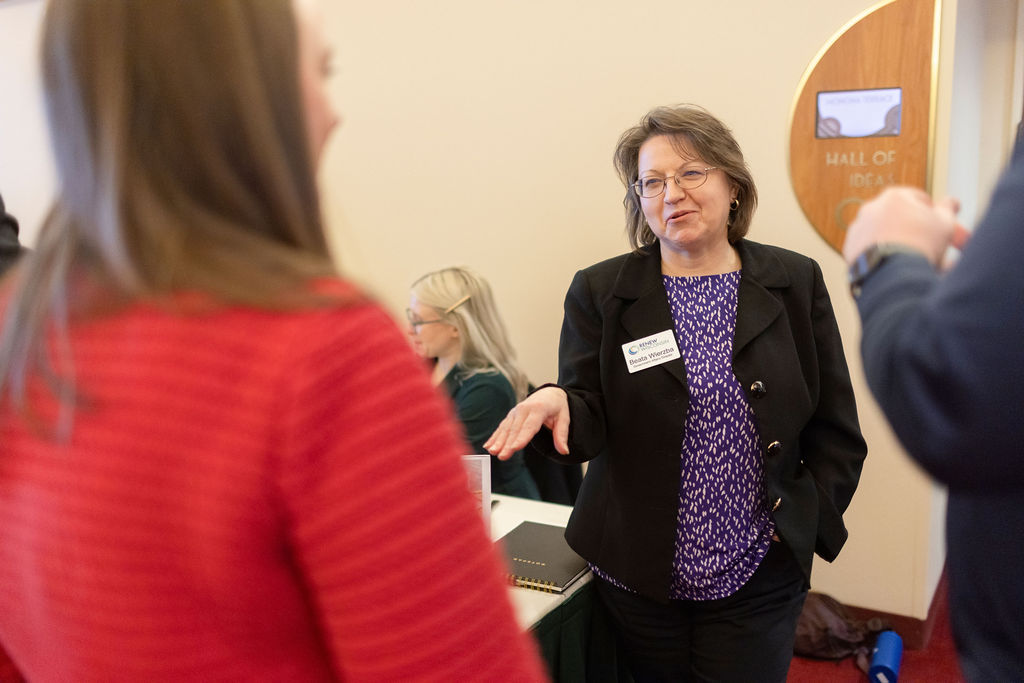
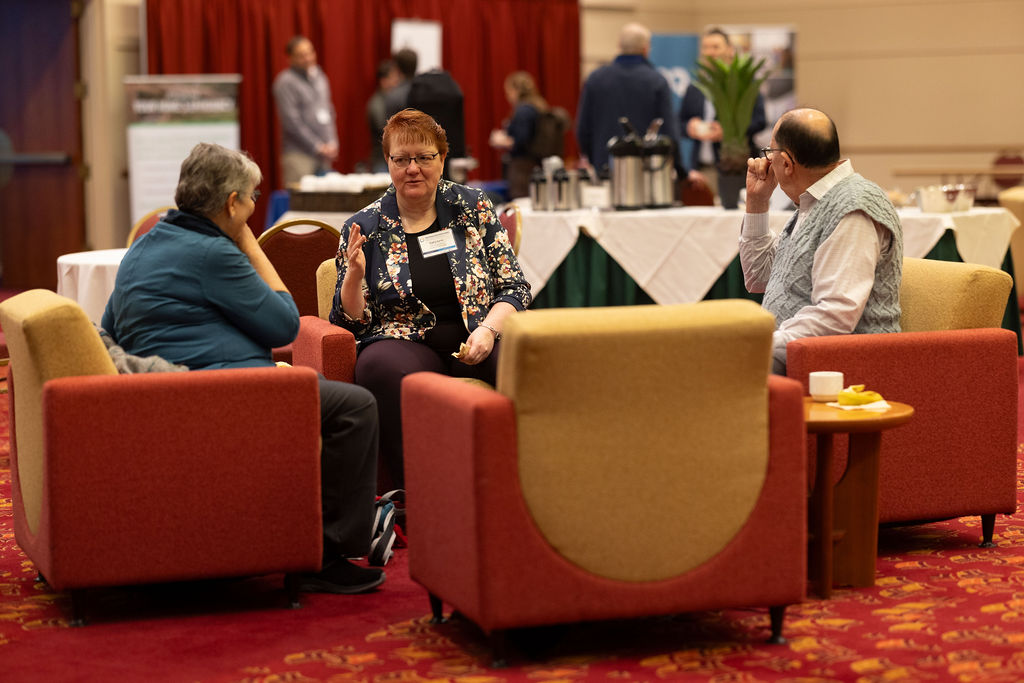
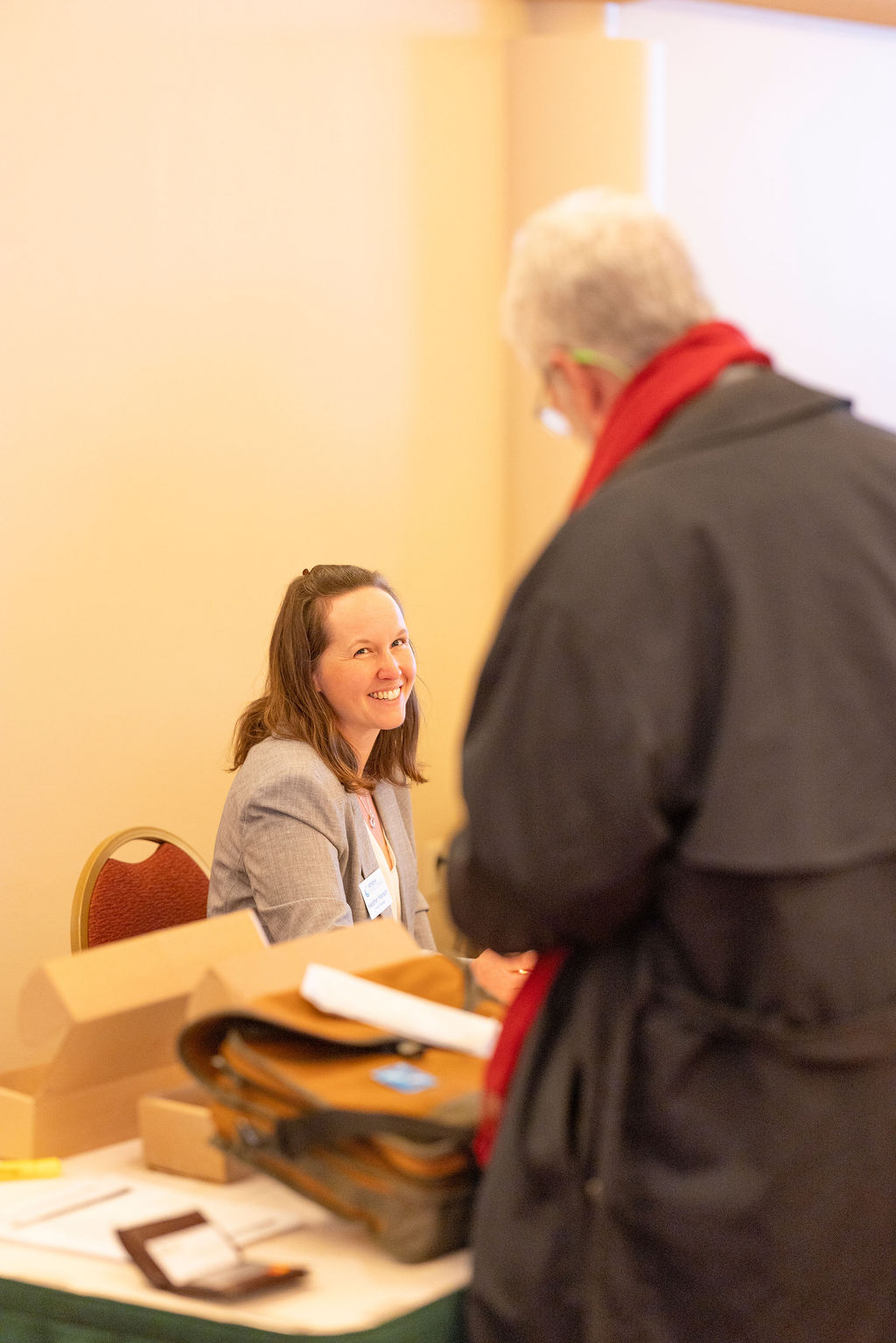
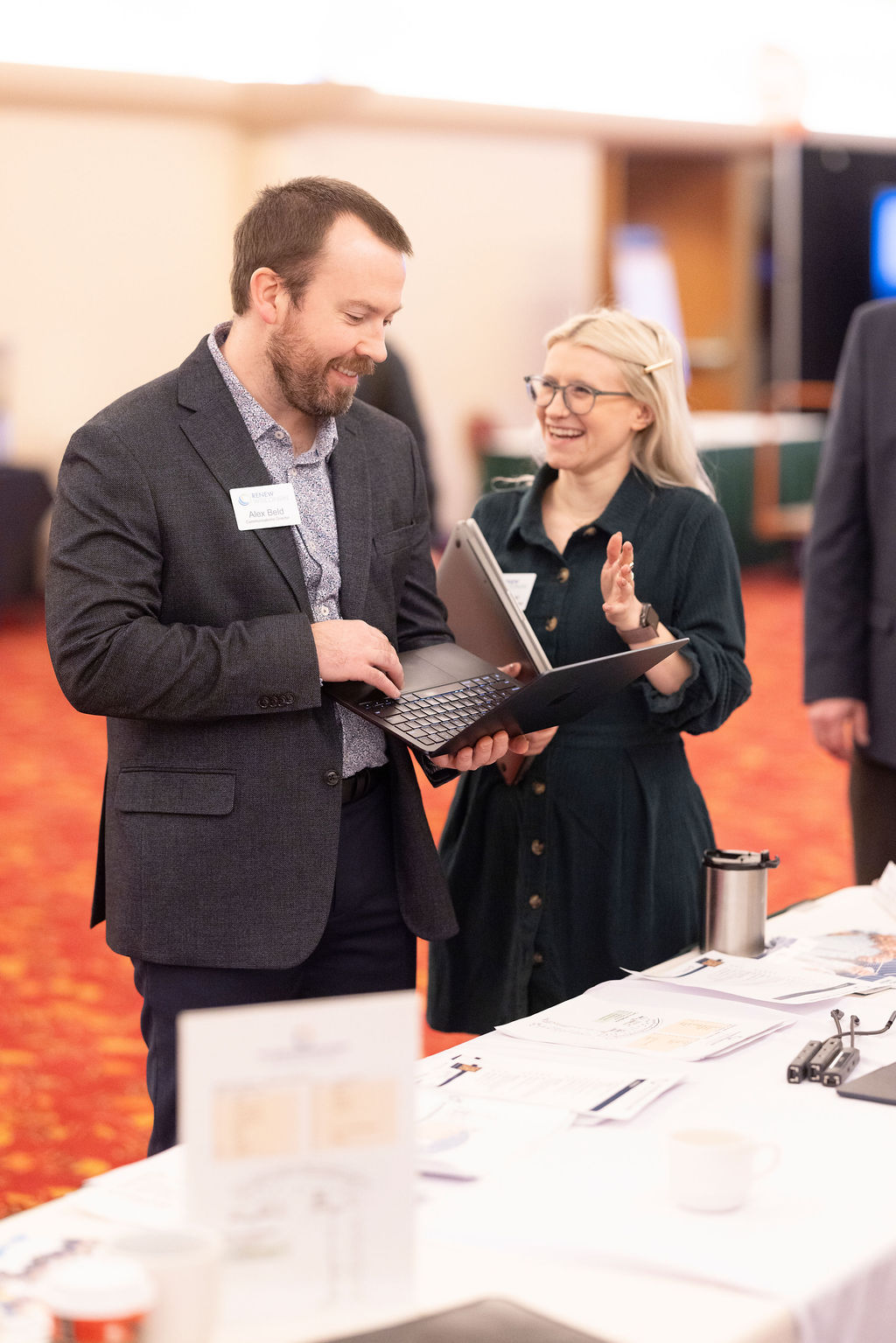
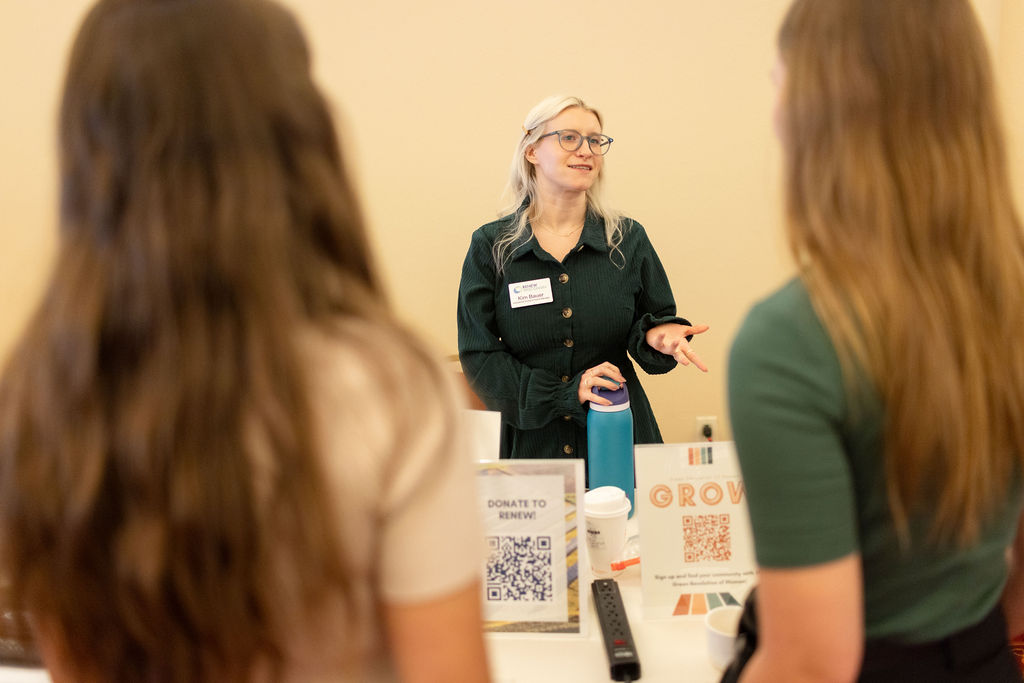
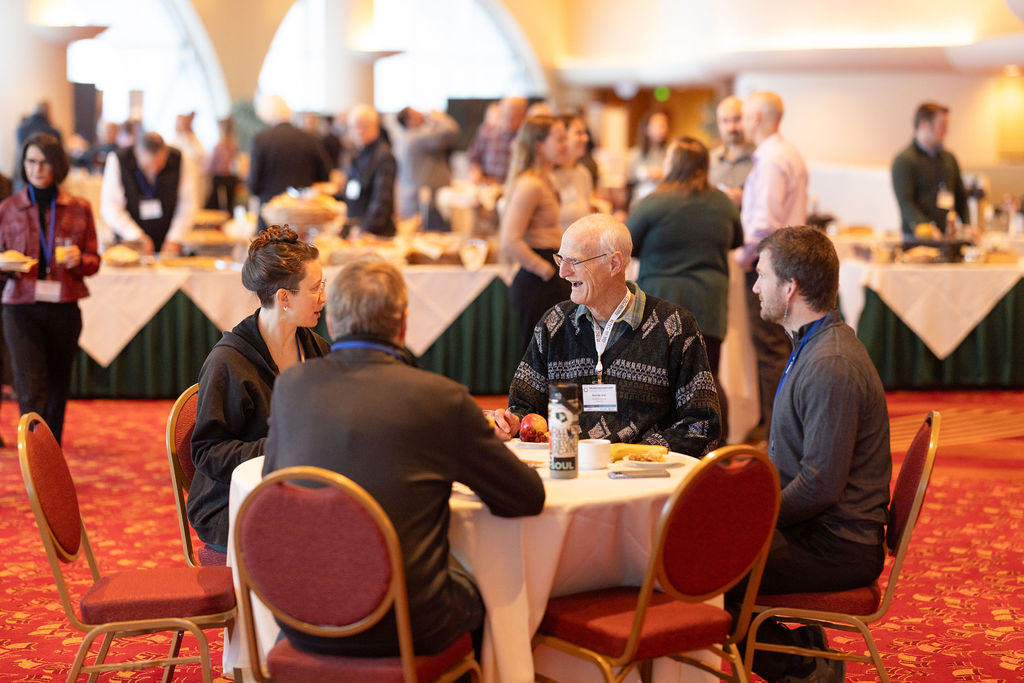
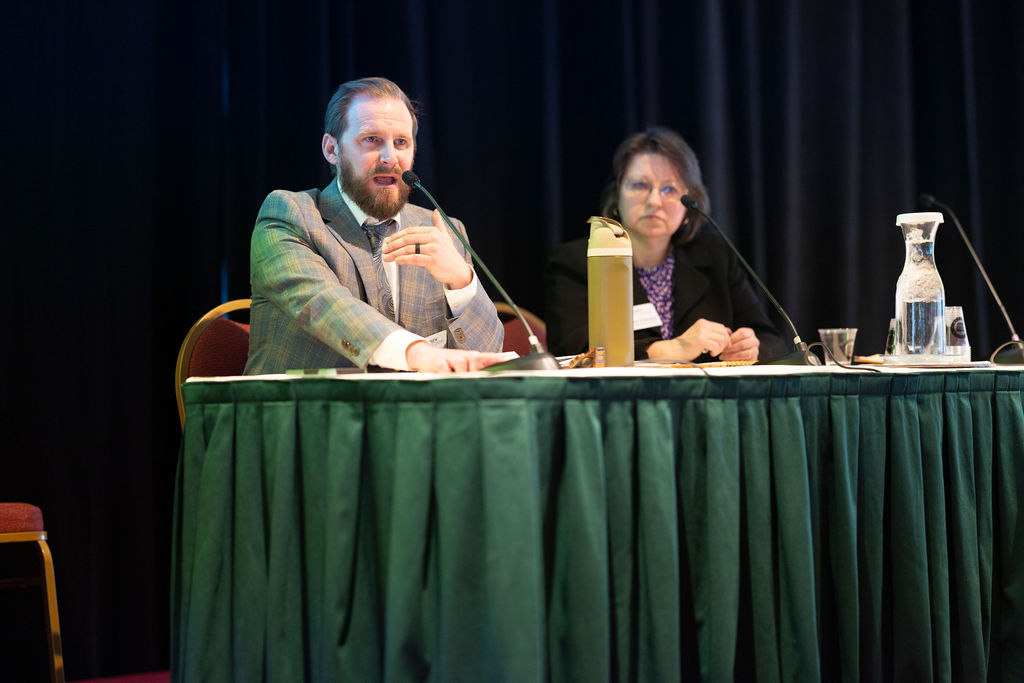
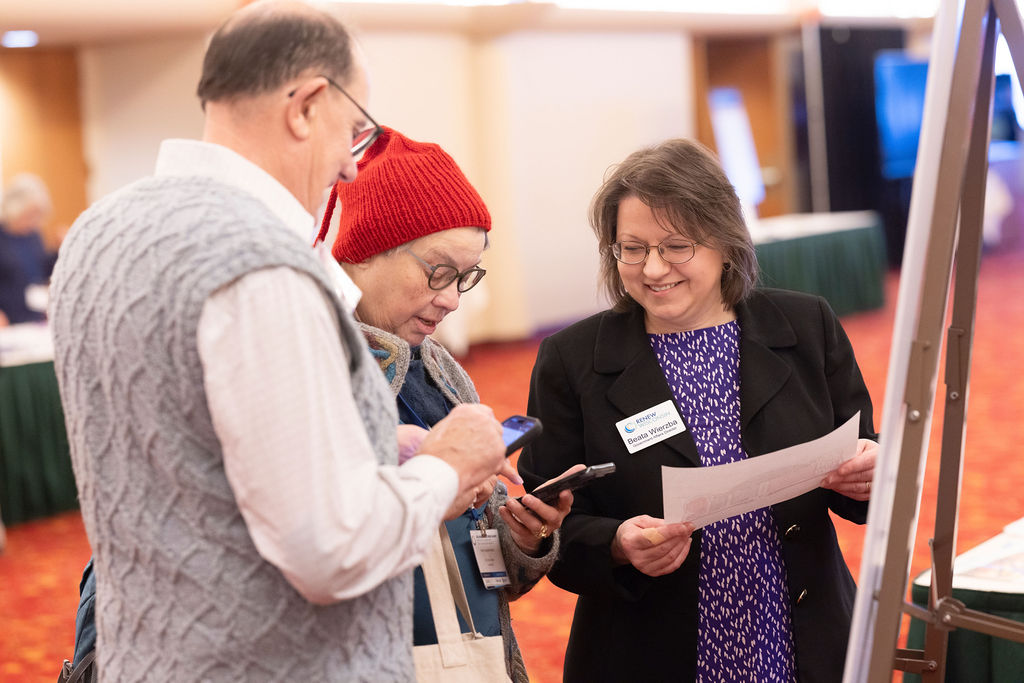
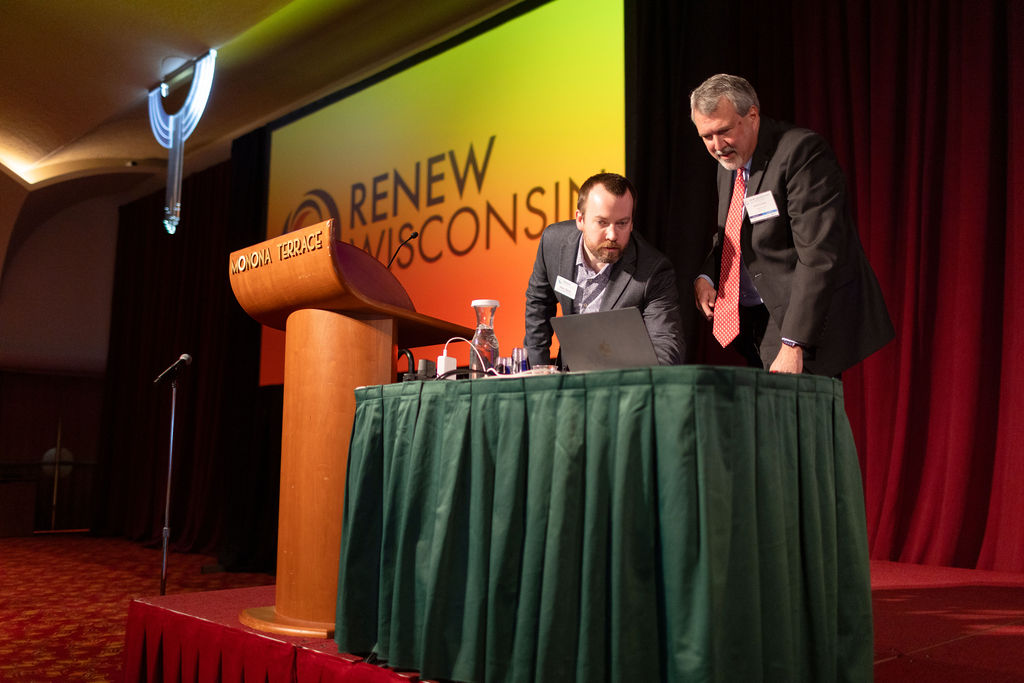
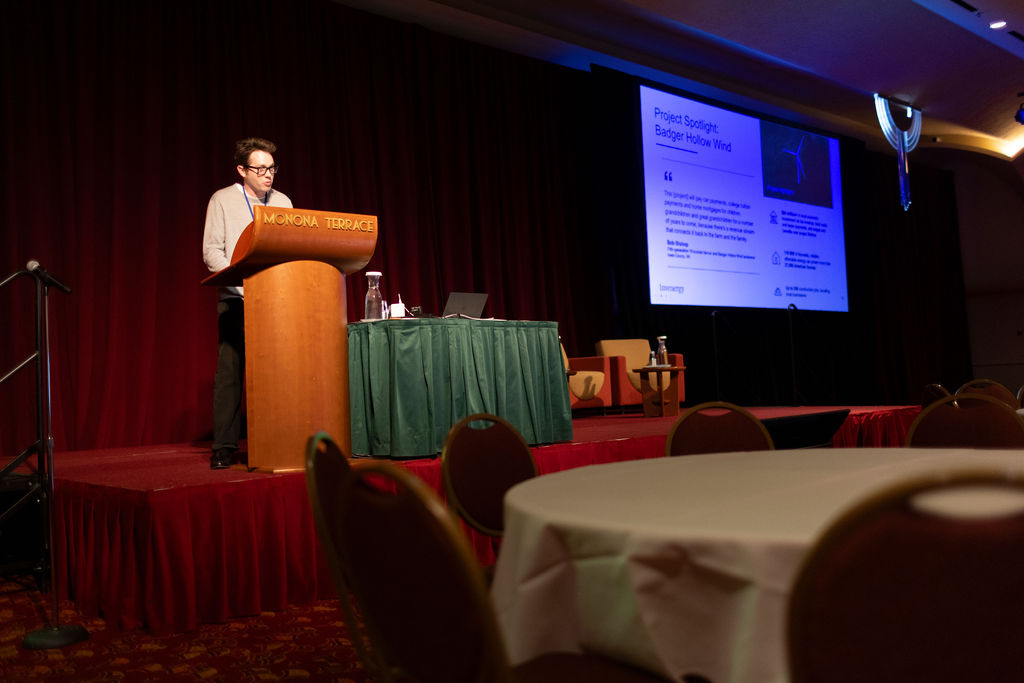
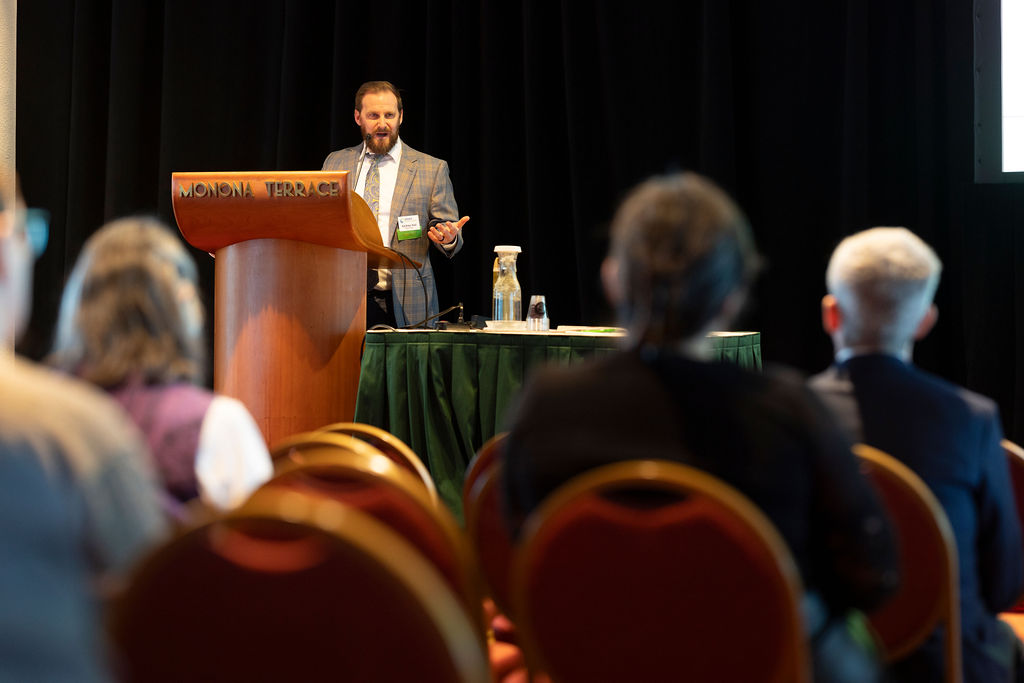
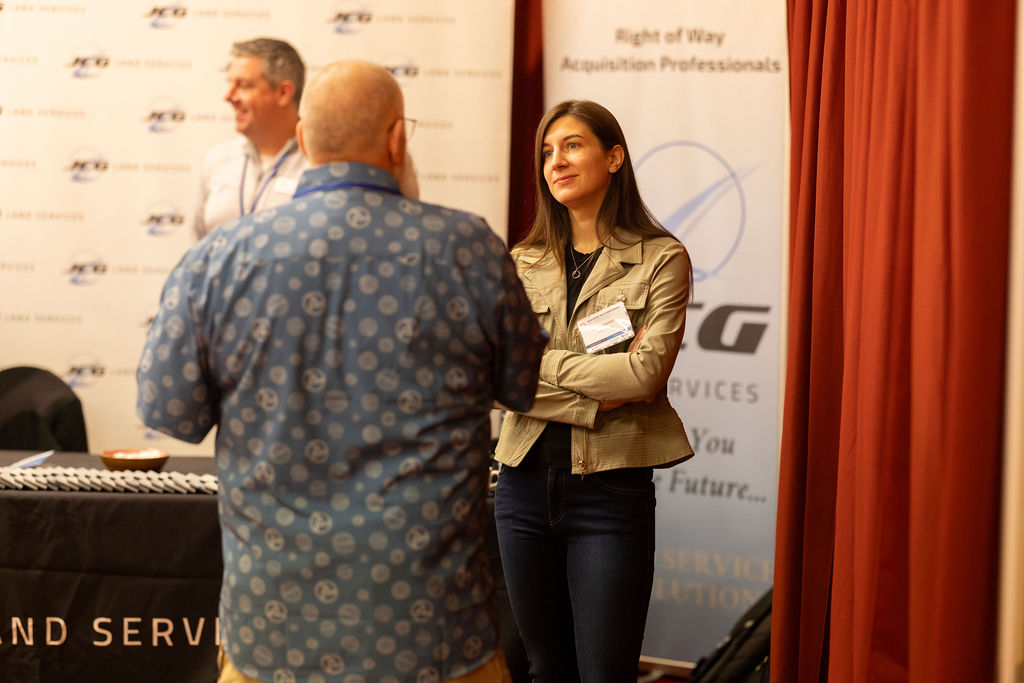
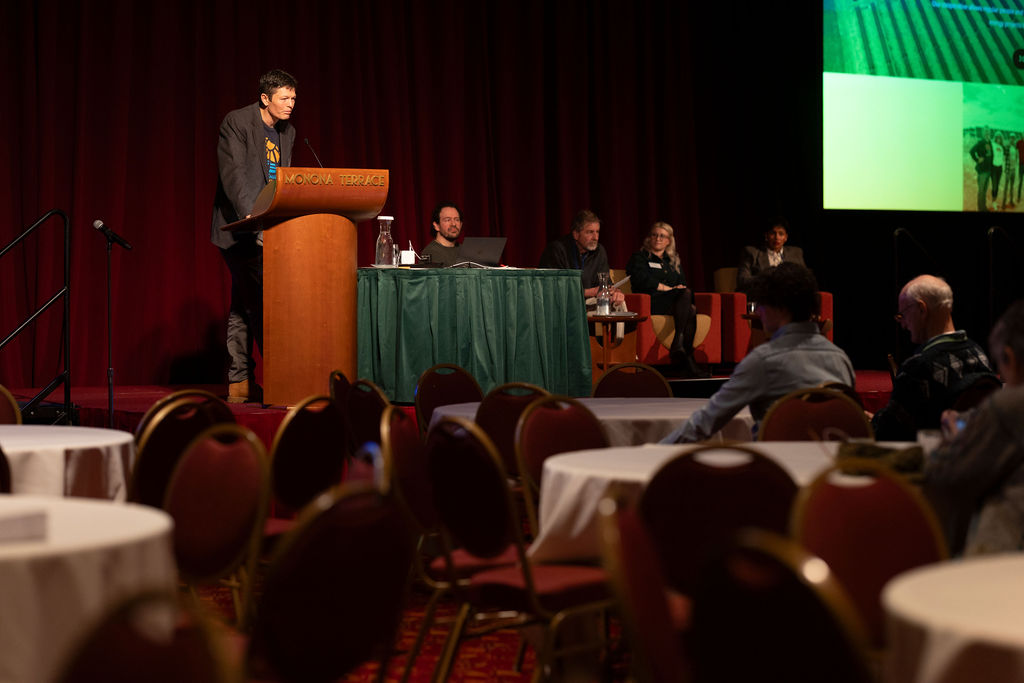
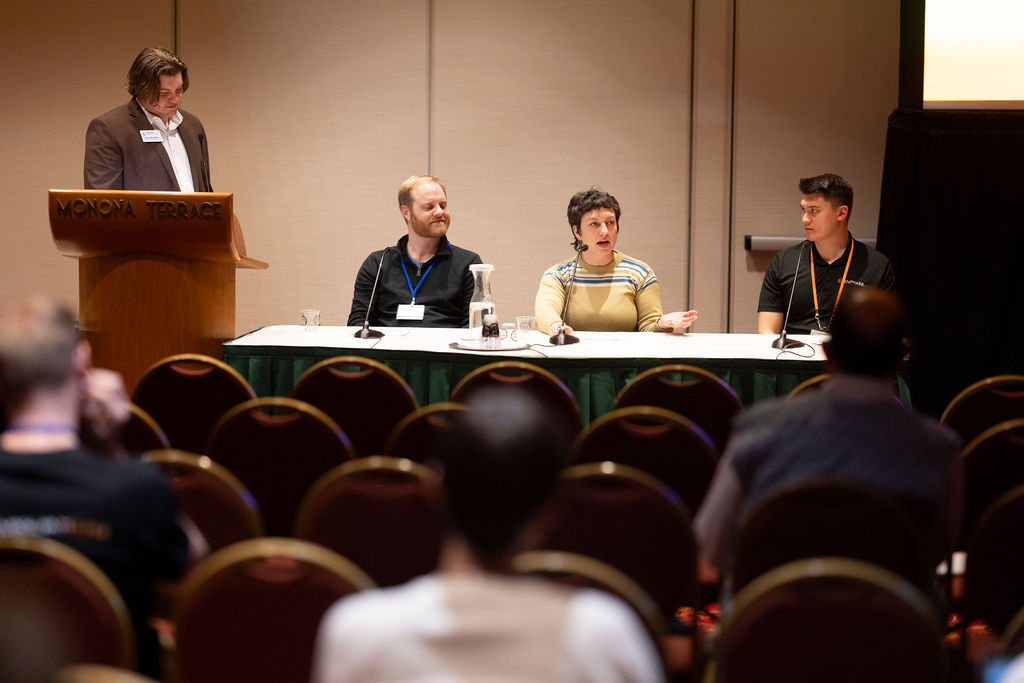
I know I already said “and finally,” but I do have one more thing. Below is a gallery of photos from the event. We know that photos don’t quite do it justice. We promise to have session recordings available within the next couple of weeks. Thanks again to everyone, you all make the yearly effort worth it!

The Urgency of Climate Change and Why Renewable Energy Is Wisconsin’s Path Forward

The Urgency of Climate Change and Why Renewable Energy Is Wisconsin’s Path Forward

Climate change is no longer a distant warning — it is here and it is reshaping our landscapes, weather patterns, and communities. Wisconsin has already begun to feel the effects, through more frequent flooding along our rivers, dangerous heat waves that strain vulnerable populations, and shifting agricultural seasons that threaten one of our state’s proudest traditions – farming. Left unchecked, climate change will accelerate these threats, driving up costs for families and businesses while destabilizing the ecosystems that sustain us.

But there is a solution within reach, and Wisconsin has the opportunity to lead: a rapid transition to renewable energy. We have the tools, we just need to be bold enough to move forward.

The Dangers We Face

Scientists are clear that continued reliance on fossil fuels is driving higher global temperatures. For Wisconsin, that translates to:

  • More volatile weather: Intense storms that damage infrastructure, cause power outages, and threaten public safety.
  • Rising health risks: Air pollution worsens respiratory illnesses, while extreme heat threatens seniors, children, and outdoor workers.
  • Economic disruption: Crop losses from unpredictable seasons, higher insurance premiums due to extreme weather, and costly repairs to public infrastructure.

The longer we delay addressing these dangers, the more expensive and disruptive they become. Every year of inaction compounds the risks and the cost. The good news is that the solution is affordable, efficient, and reliable.
Renewable Energy Is the Key

Wisconsin already has the tools we need to chart a safer, stronger path forward. Wind, solar, bioenergy, geothermal, and hydropower are proven, affordable, and increasingly accessible. Transitioning to renewable energy addresses climate change head-on while delivering real, local benefits:

  • Cleaner air and healthier communities by reducing emissions from coal and gas.
  • Energy independence — when we produce energy in Wisconsin, it keeps our energy dollars here at home instead of sending them out of state for fossil fuels.
  • Strong local economies through job creation in construction, manufacturing, installation, and maintenance — industries that can’t be outsourced.
  • Stable energy costs because renewable resources, unlike fossil fuels, aren’t subject to global market swings.

Every new solar array on a school, every wind turbine in a farm field, and every biogas digester on a dairy farm reduces our reliance on polluting fuels while building a more resilient local economy.

Wisconsin’s Opportunity

Our state is uniquely positioned to lead. With strong agricultural roots, an innovative workforce, and communities that value stewardship, Wisconsin can demonstrate how clean energy strengthens both economy and environment. RENEW Wisconsin is working every day to expand renewable projects across the state — partnering with businesses, schools, tribes, farmers, and local governments to accelerate the transition.
But the pace matters. To safeguard our children’s future, we must move faster. This means modernizing policies, supporting community solar, expanding access to financing, and ensuring equity so that every family can share in the benefits of clean energy.

A Call to Action

Climate change is the defining challenge of our generation. But it is also the greatest opportunity to reimagine how Wisconsin powers itself — cleaner, stronger, and more resilient. By choosing renewable energy today, we protect our communities, create thousands of good-paying jobs, and preserve the natural heritage we hold dear.

The dangers of climate change are real, but the solution is in our hands. Join RENEW Wisconsin and help us win this fight. Together, we can build a safer and more prosperous Wisconsin powered by clean, renewable energy.