About That Hail and Your Solar Panels

About That Hail and Your Solar Panels

April has been a rough month for much of Wisconsin. Hail, high winds, tornadoes, and heavy rain have rolled through the state, causing real damage. Here in Madison, the storm on April 14 brought baseball-sized hail, almost three inches across!

Other parts of central and southern Wisconsin got even bigger stones. Cars were dented. Roofs were torn up. Siding was cracked. Power poles came down. And yes, some solar panels broke too.

That’s the reality of weather like this. Extreme storms damage what’s in their path, and almost nothing on the outside of a home gets a free pass when hail comes down at that size. If your panels took a hit, they may need to be repaired or replaced. That’s not great news, but it’s also not the end of the world.

If you were thinking about going solar before the storms rolled through, the storms shouldn’t change the math on that decision. The path forward, whether you’re repairing a system or building one for the first time, looks a lot like dealing with any other part of your home.

How to Get Your System Back Up and Running

When panels get damaged in a storm like this, the fix looks a lot like dealing with hail damage to your roof or siding. The process moves through a few clear steps.

Contact Your Homeowner’s Insurance and Your Installer

Both should know what happened as soon as possible. Your installer works directly with the insurance company on your behalf from there. They document the damage, walk the adjuster through what they’re seeing, and handle the repair, replacement, and reinstall. The homeowner isn’t navigating it alone.

Know Your Coverage Before a Storm Hits

Most standard homeowner’s policies cover rooftop solar under the dwelling section, but it’s worth confirming that hail and wind are listed as covered perils and that your coverage limit reflects what your system is actually worth. Some policies in hail-prone areas carry separate wind and hail deductibles, and ground-mounted systems sometimes need a separate rider, so it helps to know what your specific policy says before you need to use it.

The Rest of the System Is Built To Make This Manageable

Manufacturers test their panels to real standards. Installers know how to work with insurance companies. Each part does its job so that when something does go wrong, the path forward is clear.

Your installer can also help you sort out what’s covered by equipment warranties versus insurance, and show you how to use your monitoring app to confirm the system is performing normally after repairs.

What Hail Does to a Panel

Knowing what kind of damage you’re looking at helps you follow along when your installer comes out for an inspection.

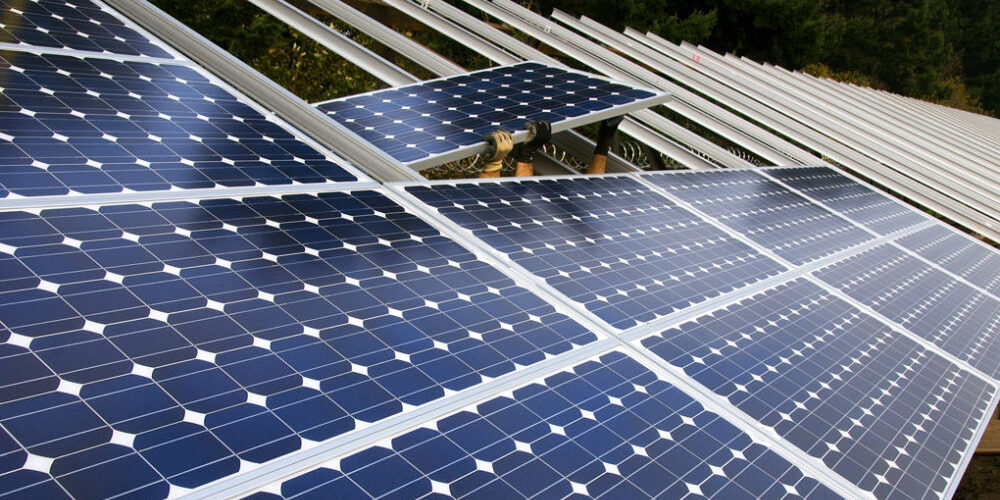
  • Visible damage is less common than people expect, but also the most obvious when it happens. Cracks, chips, or spiderwebbed glass that you can spot from the ground. The tempered glass on top of a panel is built to take a hit, which is why this kind of damage usually only shows up in the more extreme storms. Worth noting too: when a panel does break, the glass stays contained inside the panel. Solar panels are sealed between layers of plastic and held together by an aluminum frame, so cracks don’t send glass flying across your yard or your neighbor’s.
  • Hidden microcracks are the ones experts worry about more. These are microscopic fractures inside the solar cells that might not affect performance right away, but can spread over time the same way a small chip in a windshield can grow into a longer crack. Left unchecked, microcracks can gradually reduce efficiency and create hot spots inside the panel. That’s why post-storm inspections matter even when a system seems to be running fine. 
  • Cell and busbar damage happens beneath the surface when hail’s impact energy transfers through the glass. The busbars are the thin metal strips that carry electricity across the panel. Modern panels use many ultra-thin busbars or wires per cell, often well into double digits, which helps keep current flowing even if part of a cell takes a hit.

A cracked panel will usually still generate electricity at reduced output. If it needs to be replaced, it should be replaced. If it’s still performing within spec, it can keep running. The key is having someone qualified take a look so you know what you’re working with.

A Quick Note on the Testing

Quality solar panels are built to two main standards that work together.

  • IEC 61215 is the performance and durability standard set by the International Electrotechnical Commission. It covers how a panel holds up against weather, including the hail impact testing, where technicians fire ice balls at panels using compressed air cannons. The basic test uses one-inch ice balls at high speeds, and many panels are tested even further against ice balls up to three inches across at speeds up to 88 miles per hour. To pass, the panel has to keep producing power within spec after the impact.
  • UL 61730 is the safety standard set by Underwriters Laboratories, which covers electrical safety, fire resistance, and structural integrity. Together, they tell you a panel can take the weather and stay safe doing it.

The Bigger Picture

Everything on the outside of your home already takes a beating from Wisconsin weather. Your roof, your siding, your windows, and the AC unit out back. None of that has stopped anyone from owning a home. You carry insurance for a reason, and when something breaks, you call somebody who knows how to fix it. Solar panels are no different than anything else on your house in that respect.

April has been hard on Wisconsin, no question about it. But the things people depend on after a storm have shown up. Insurance is paying out. Installers are out doing the work. Hail and wind can damage panels. That’s true. What matters is having the right people in your corner and the right coverage in place when it happens. A solid installer and the right insurance policy take care of that.
2026 RENEW Wisconsin Summit Recap

2026 RENEW Wisconsin Summit Recap

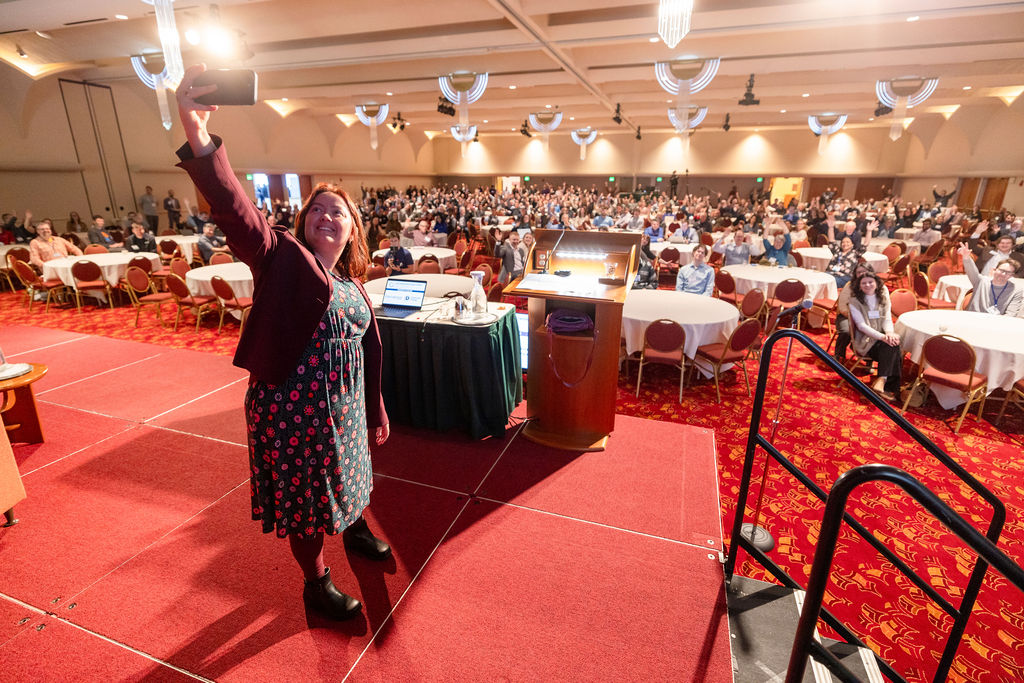
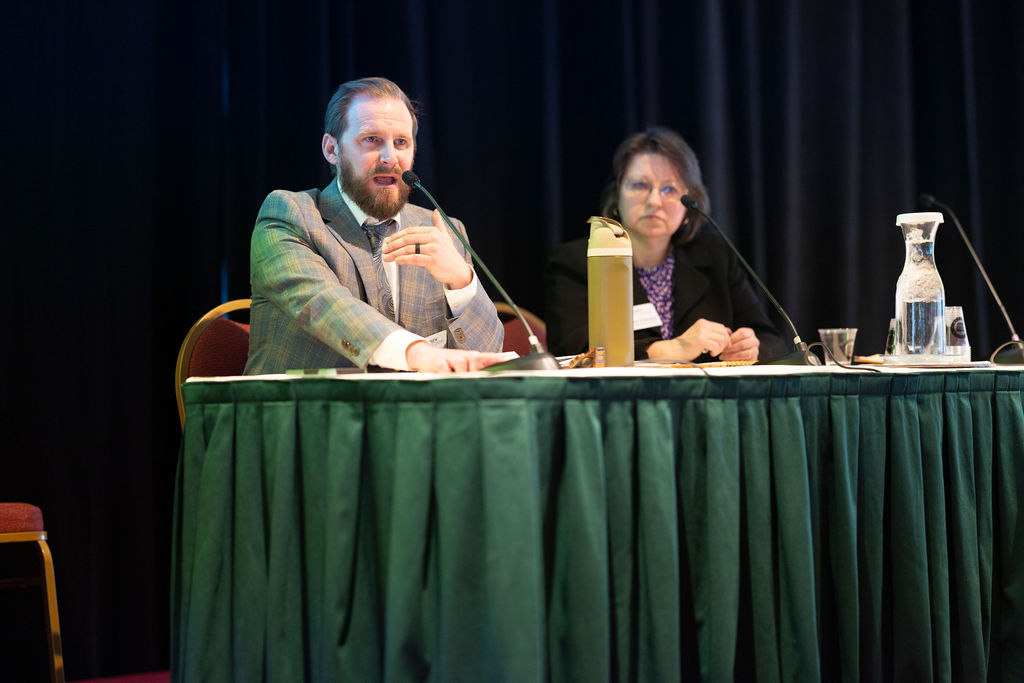
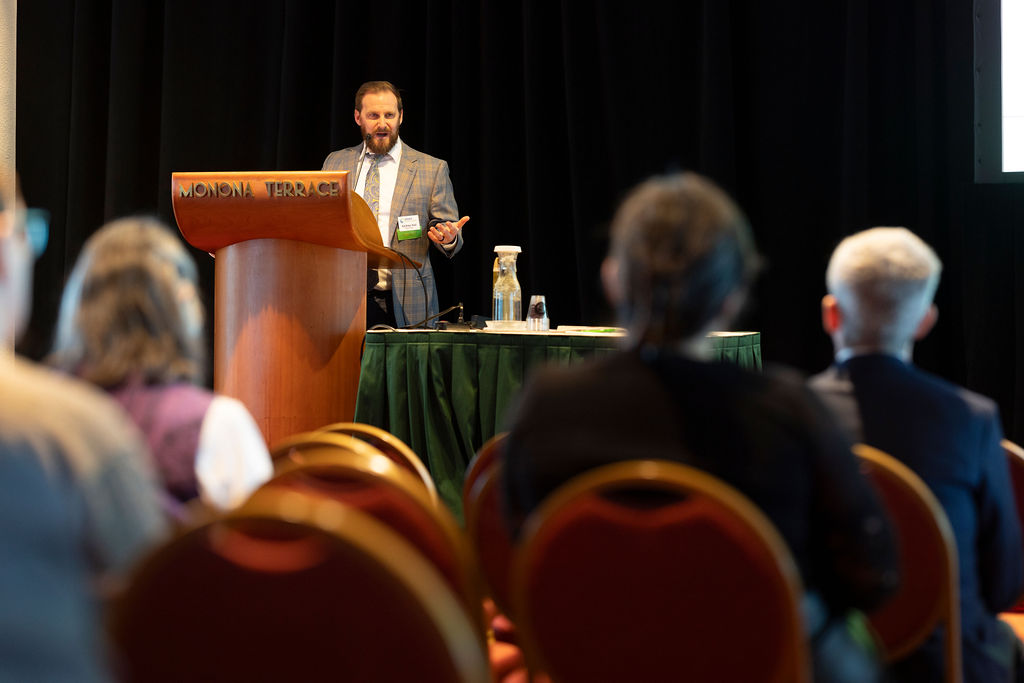
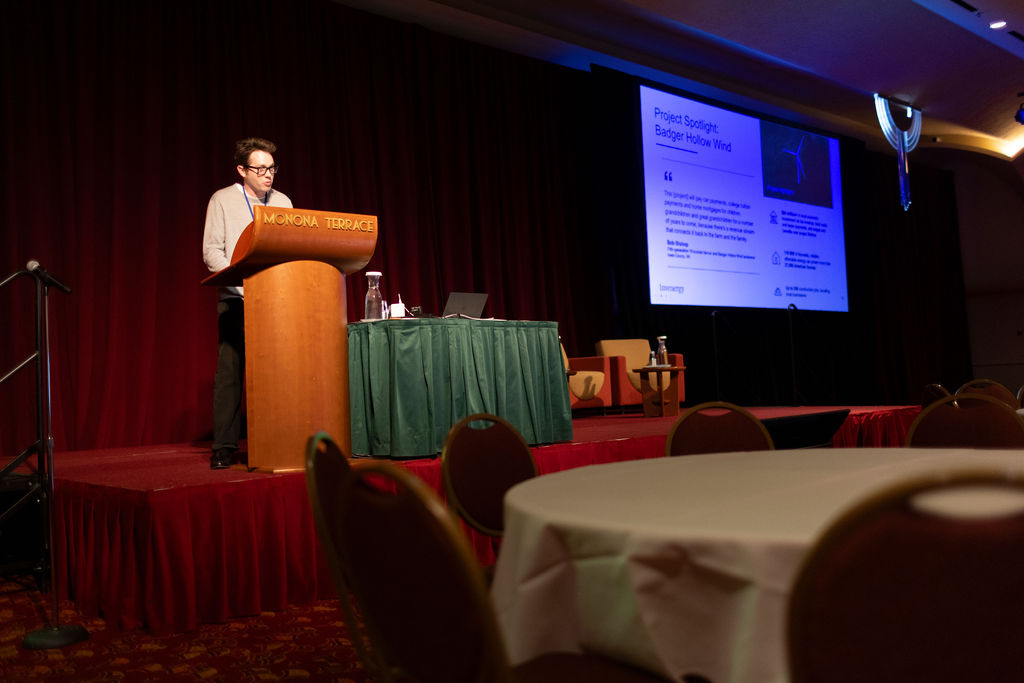
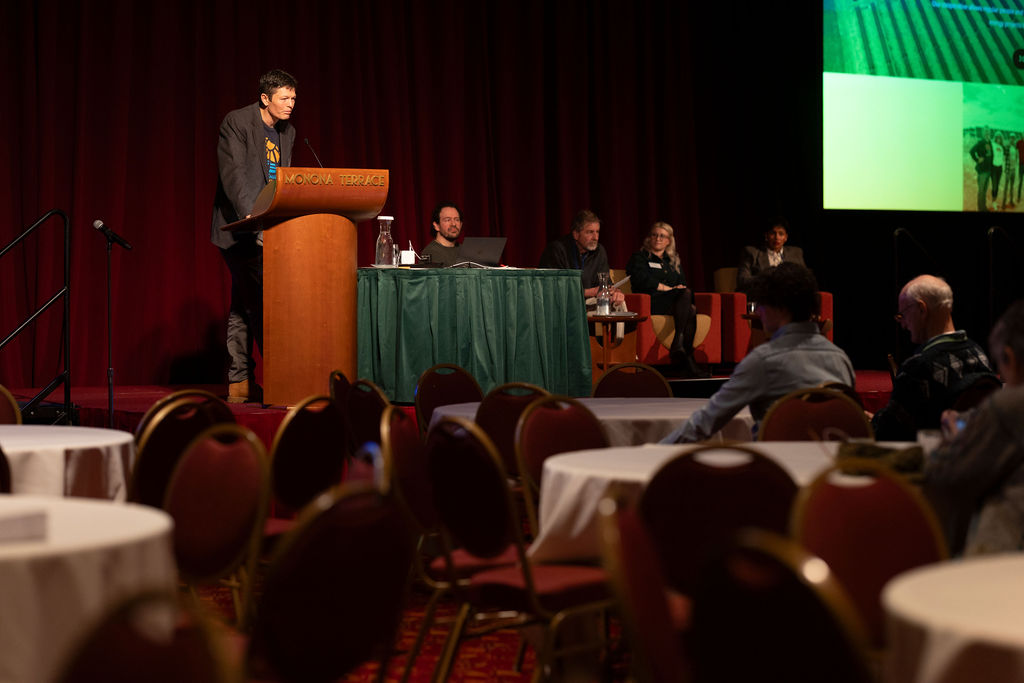
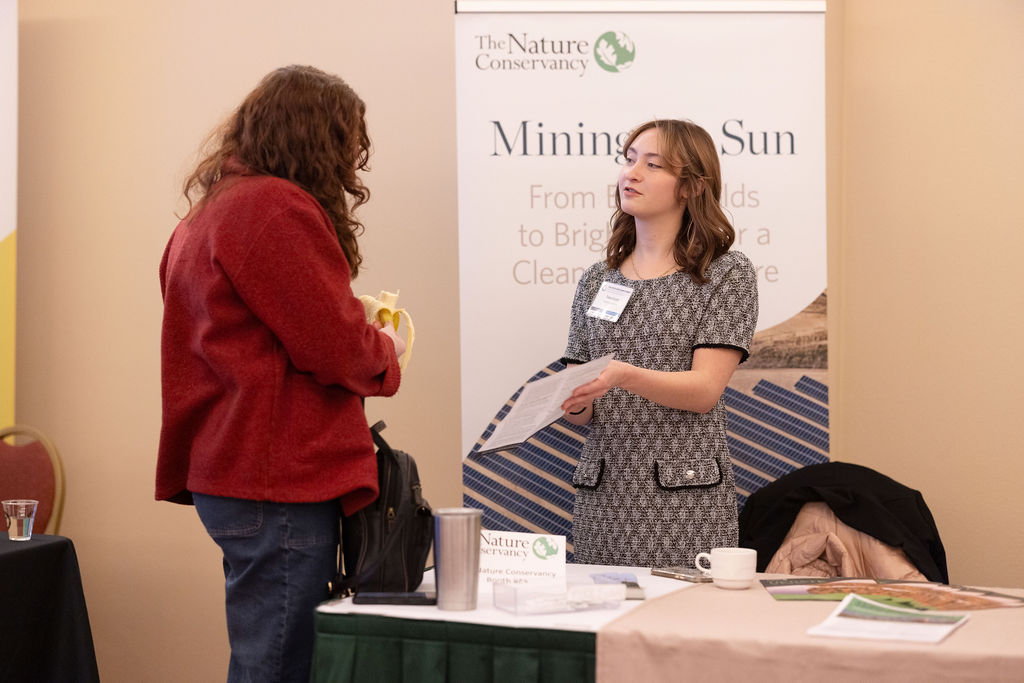
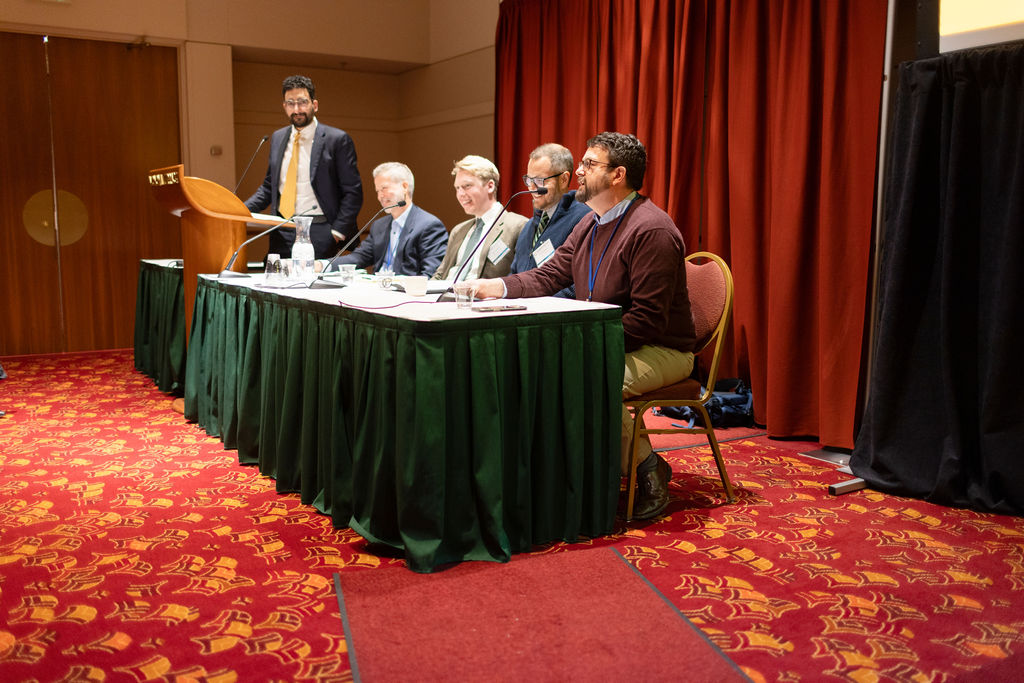
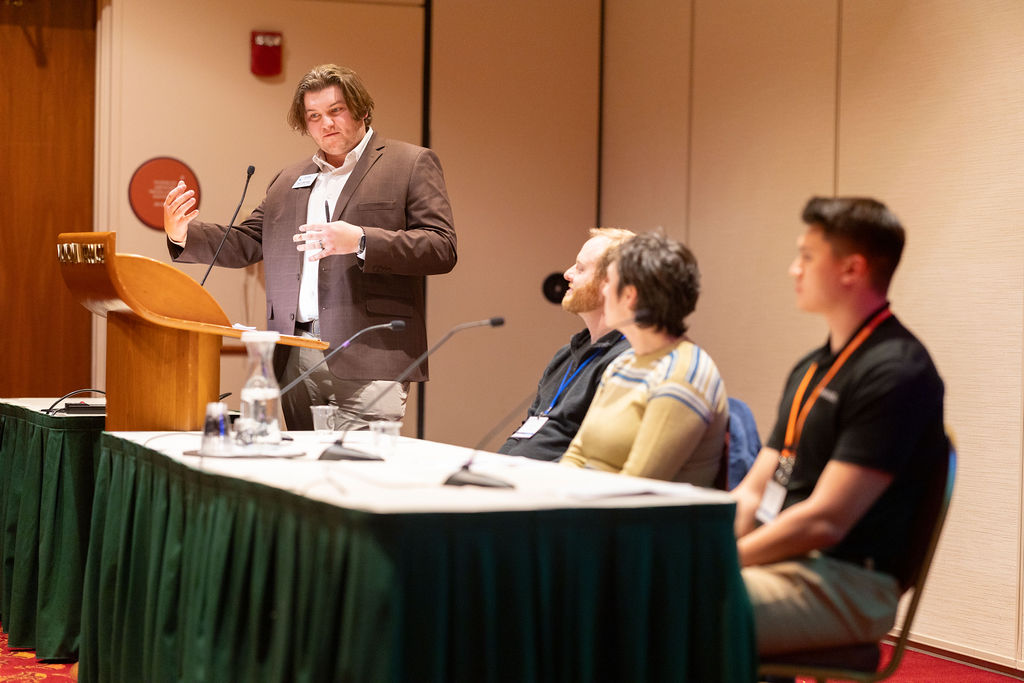
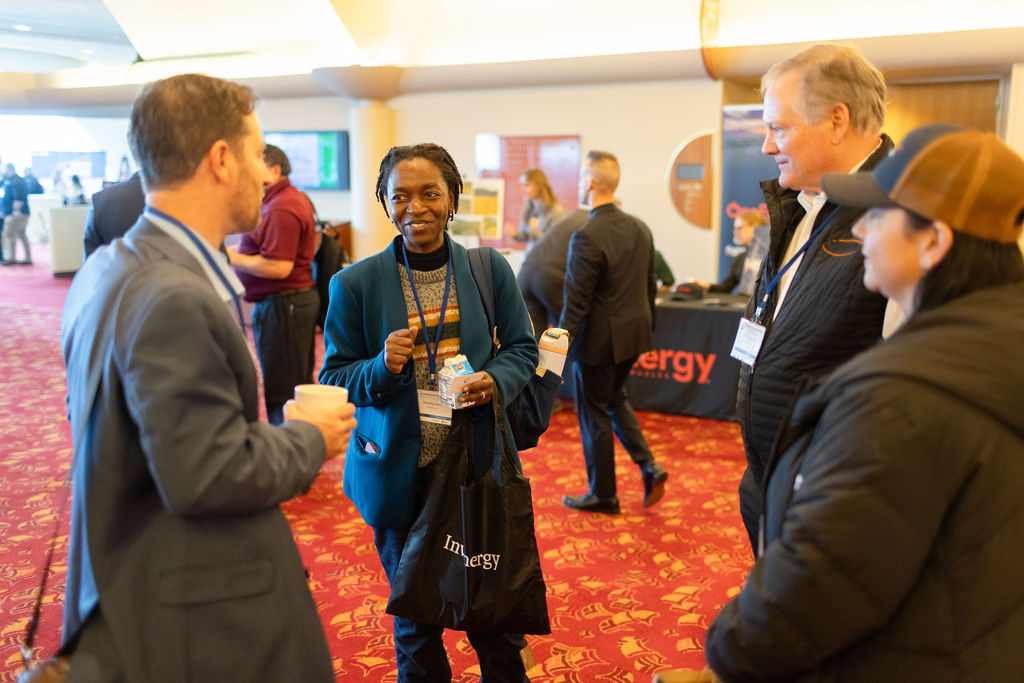
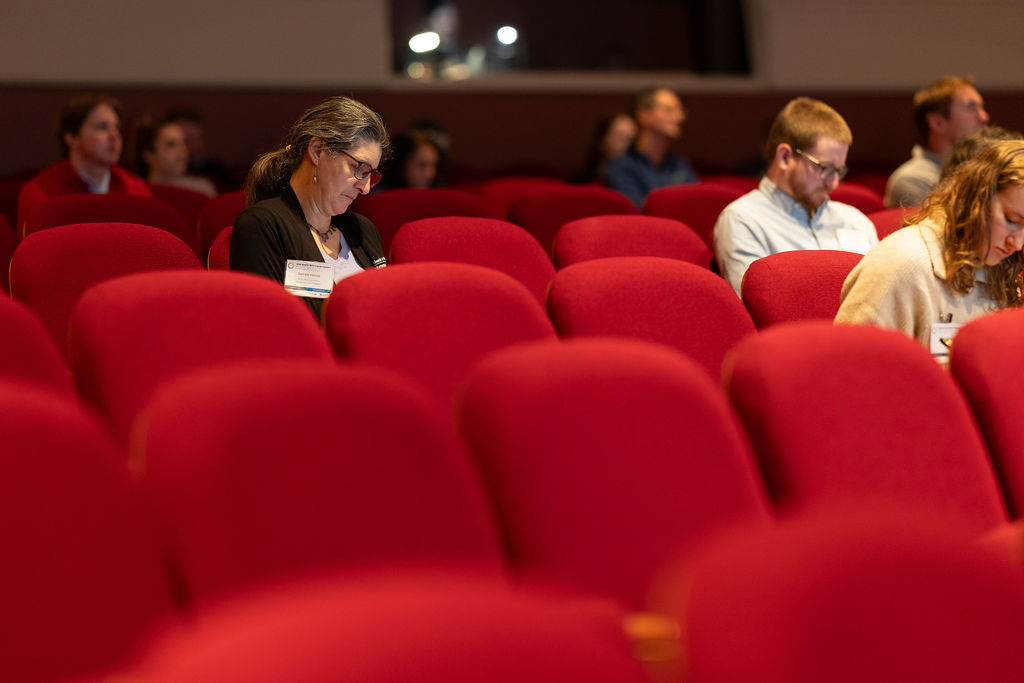
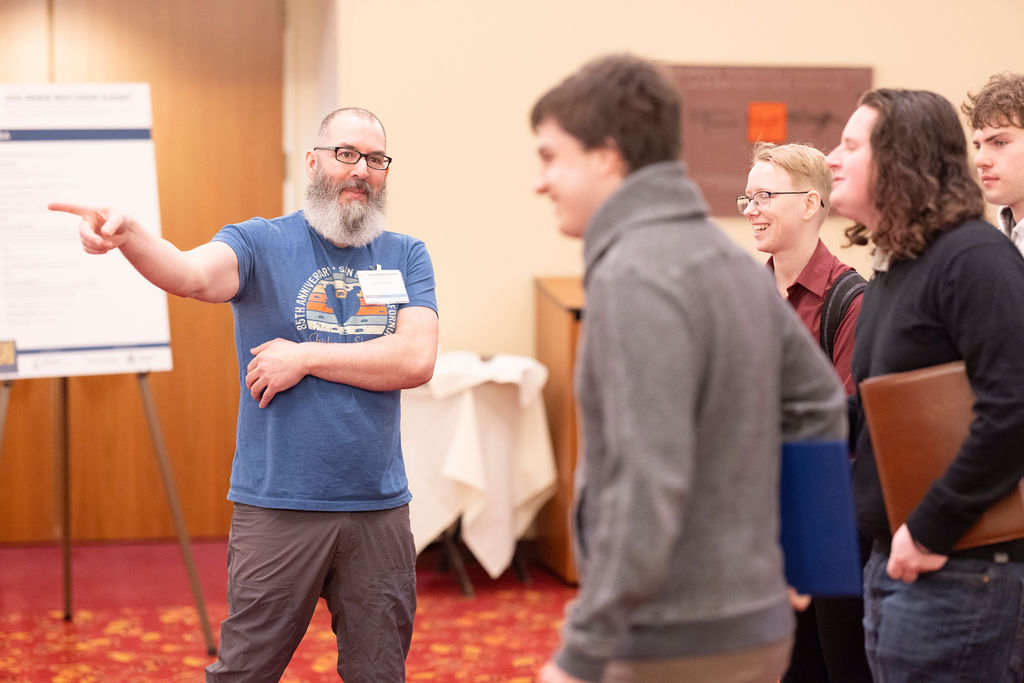
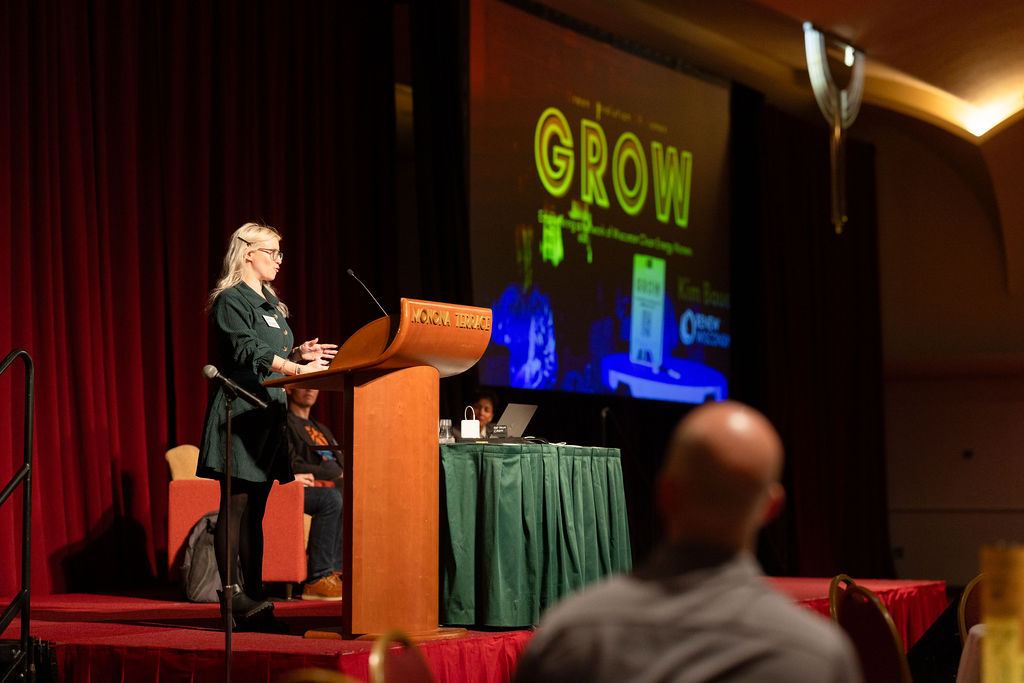
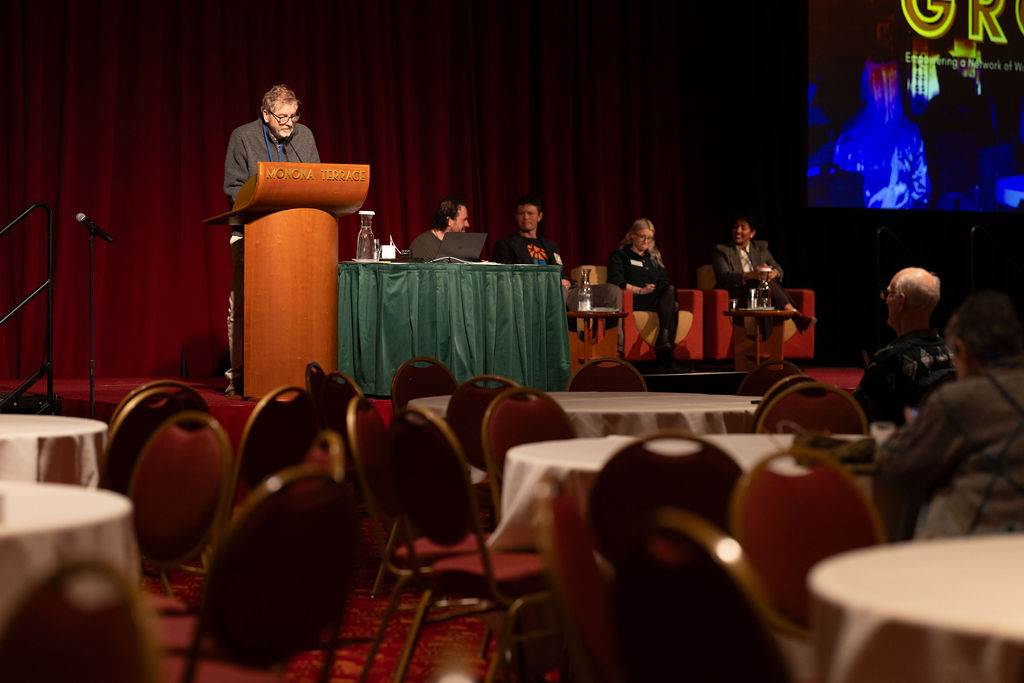
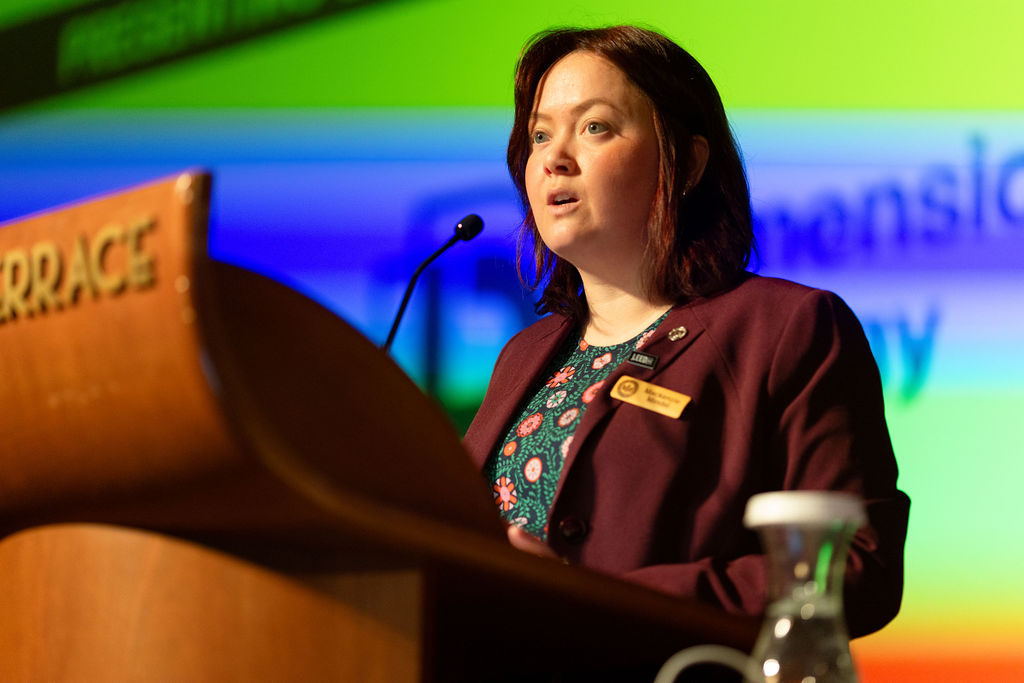
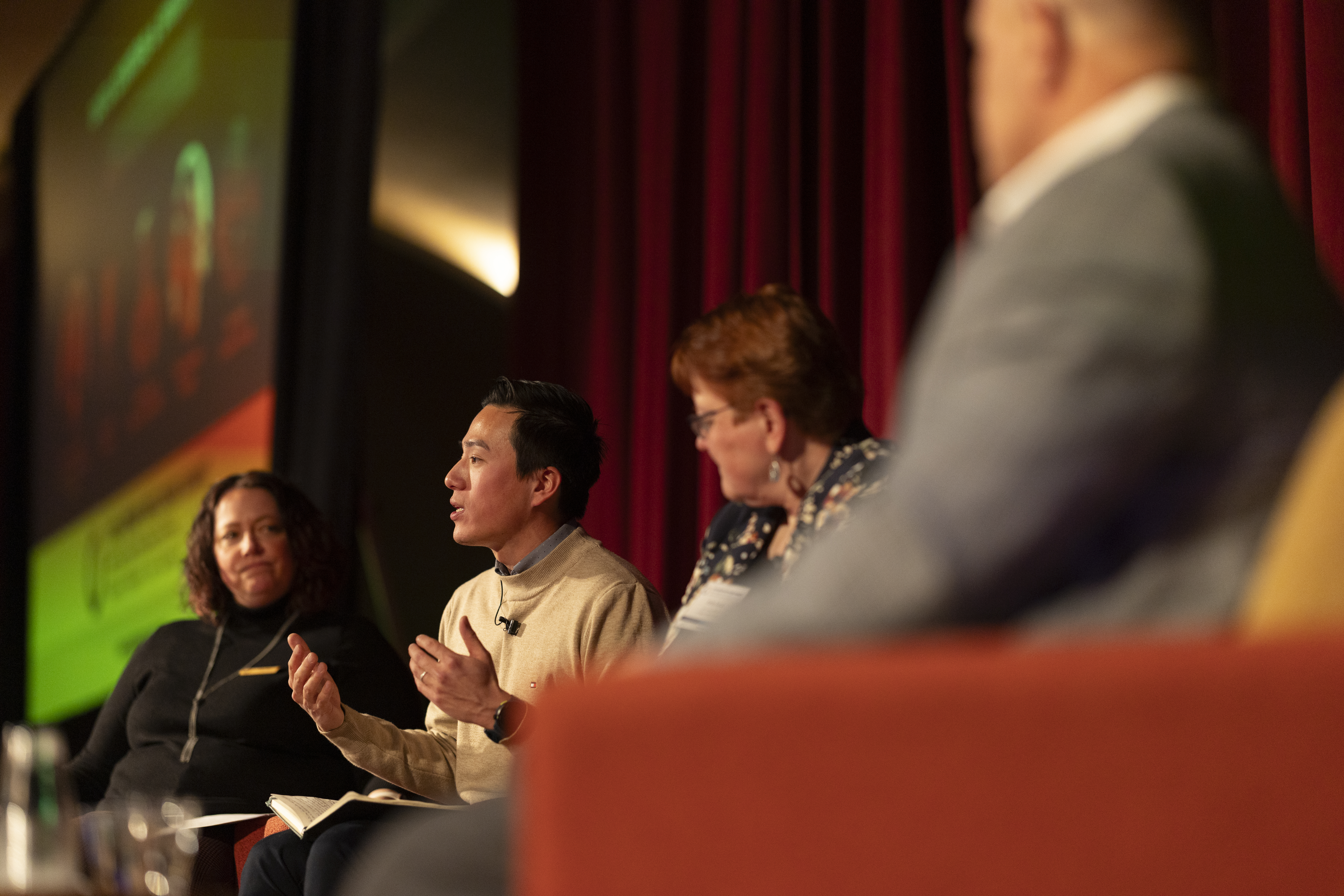
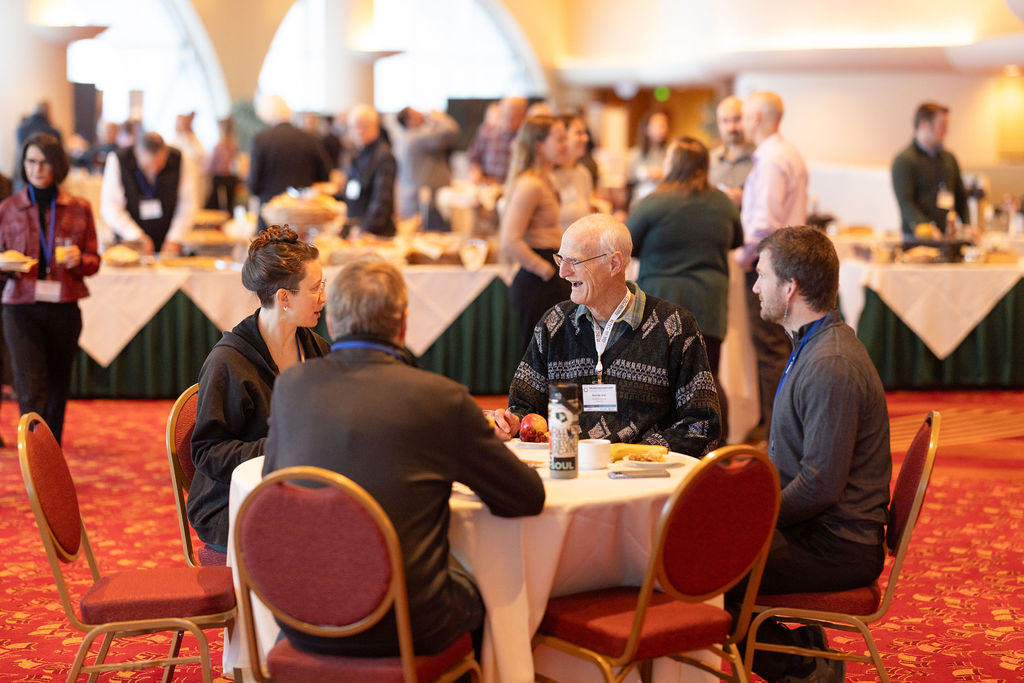
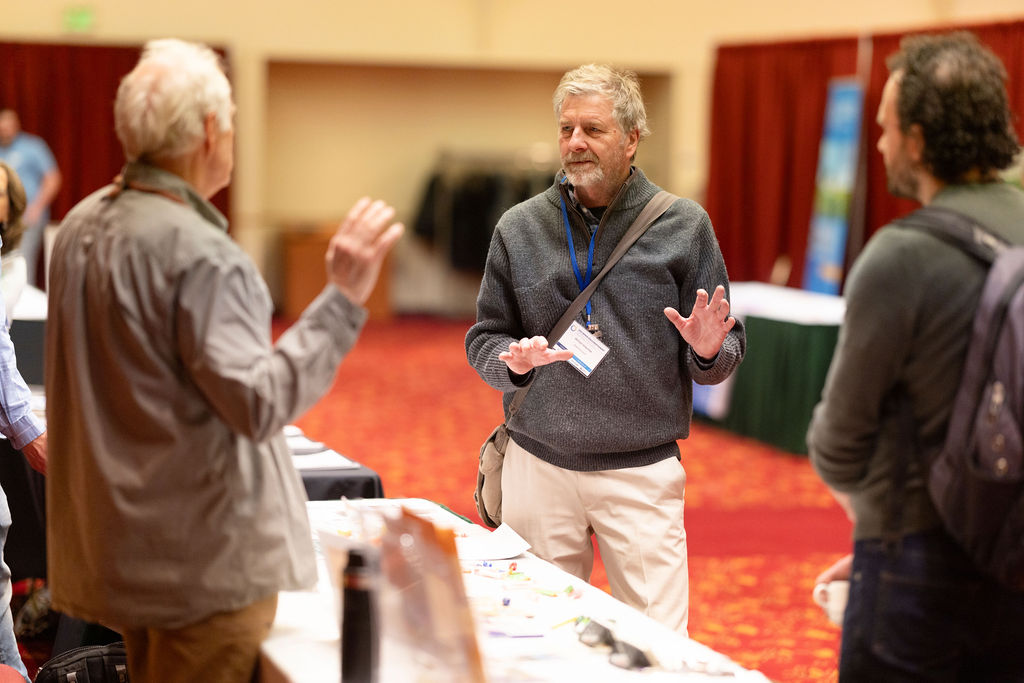
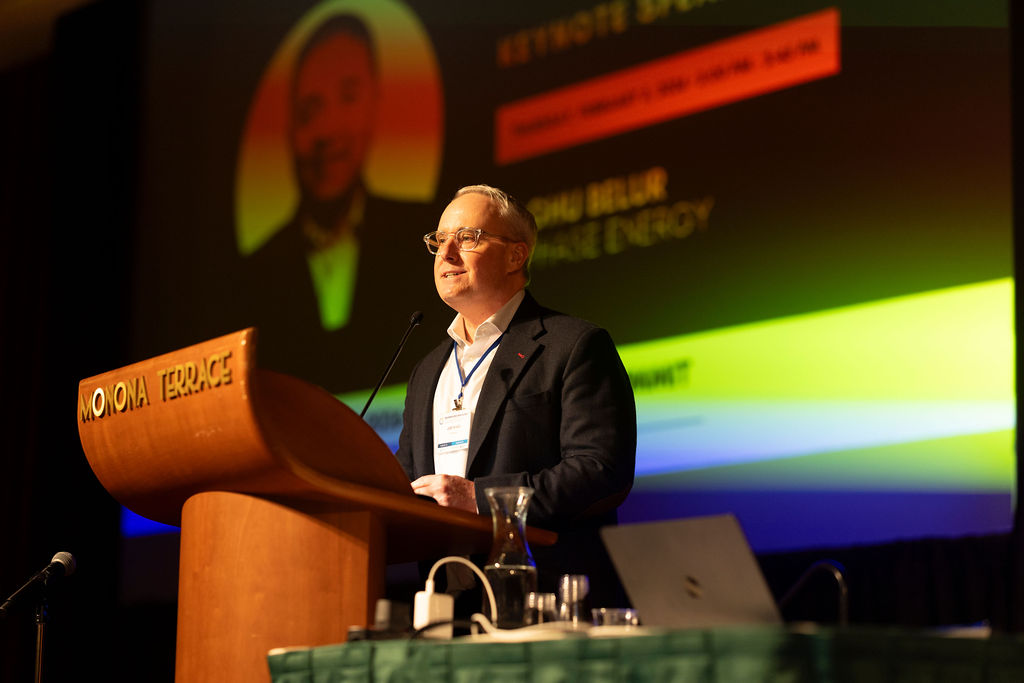
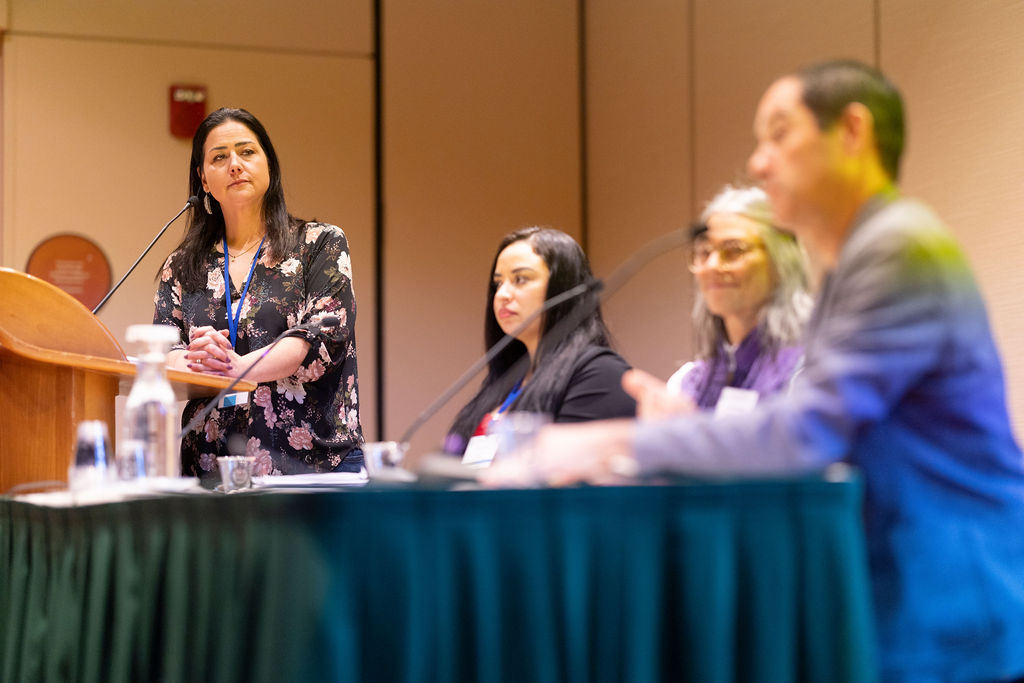
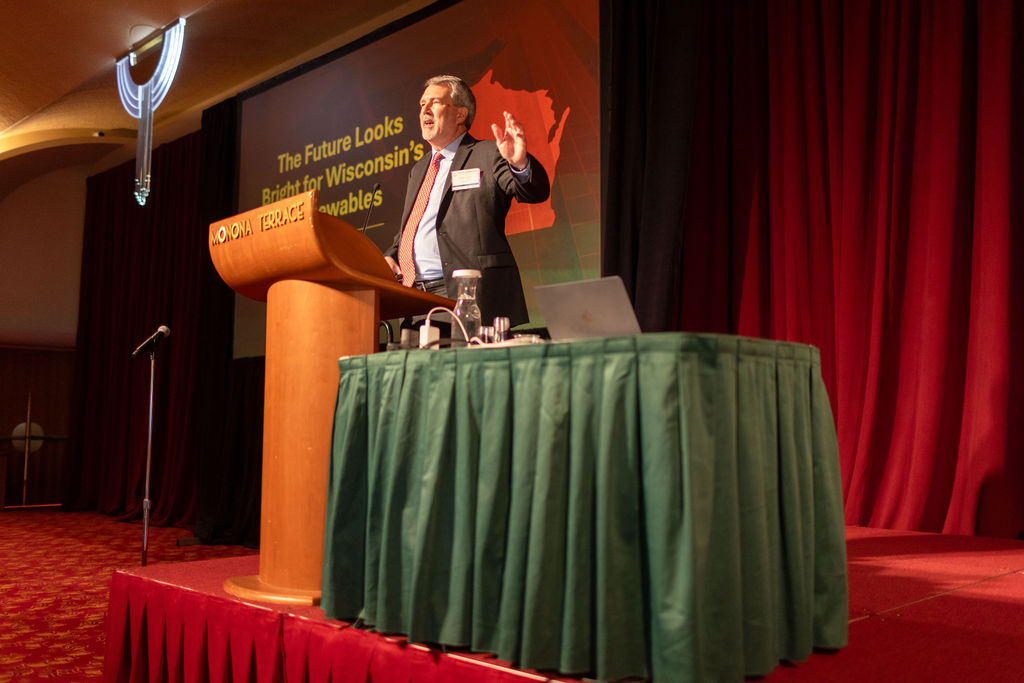
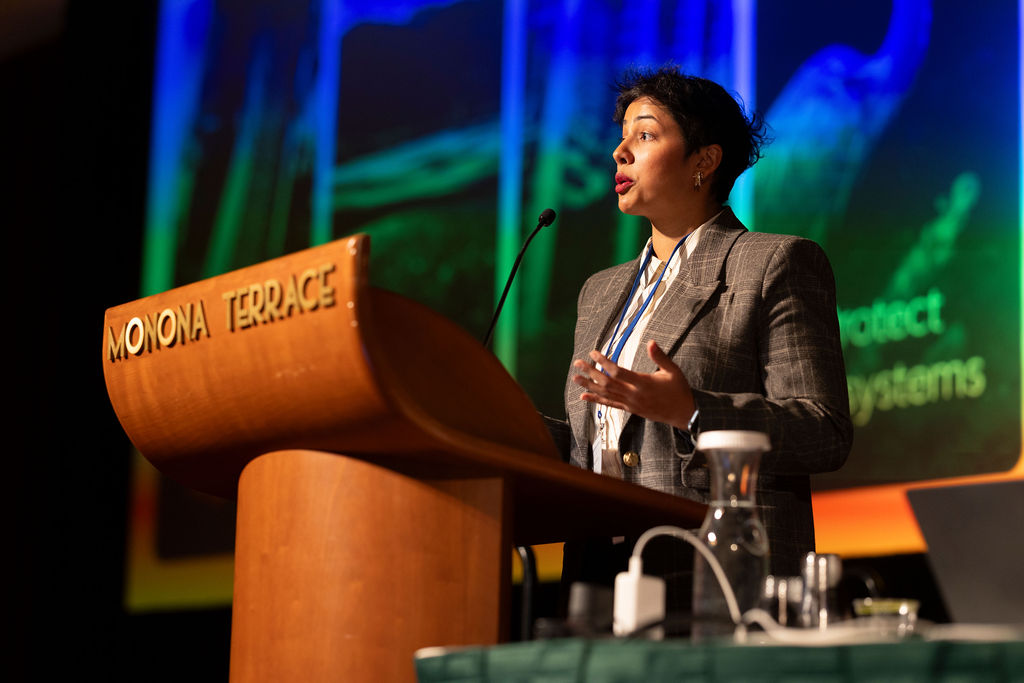
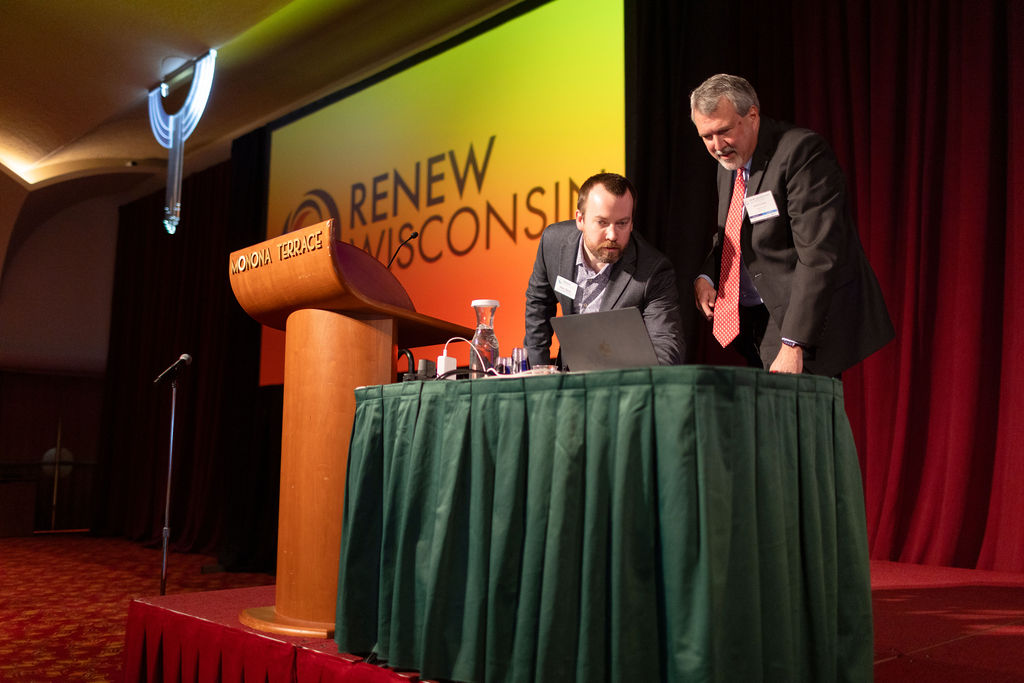
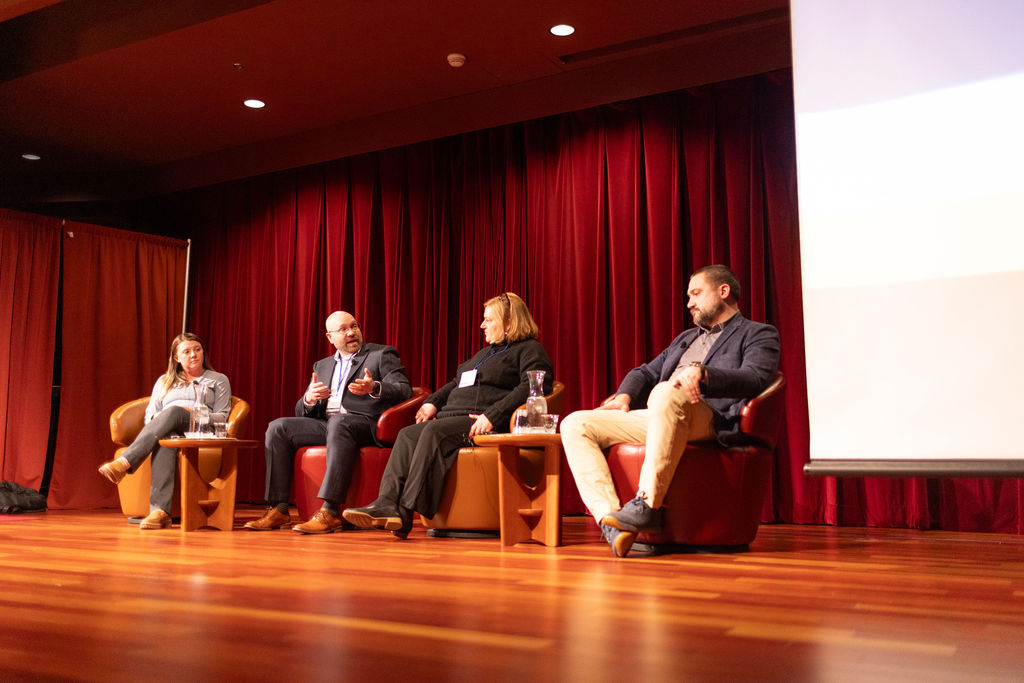
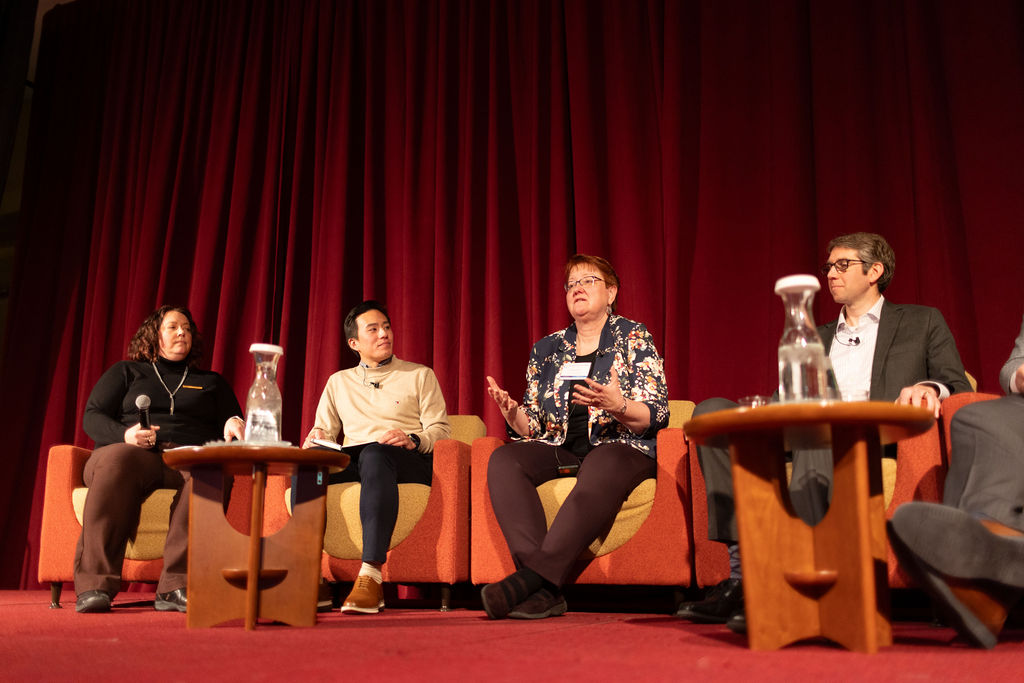
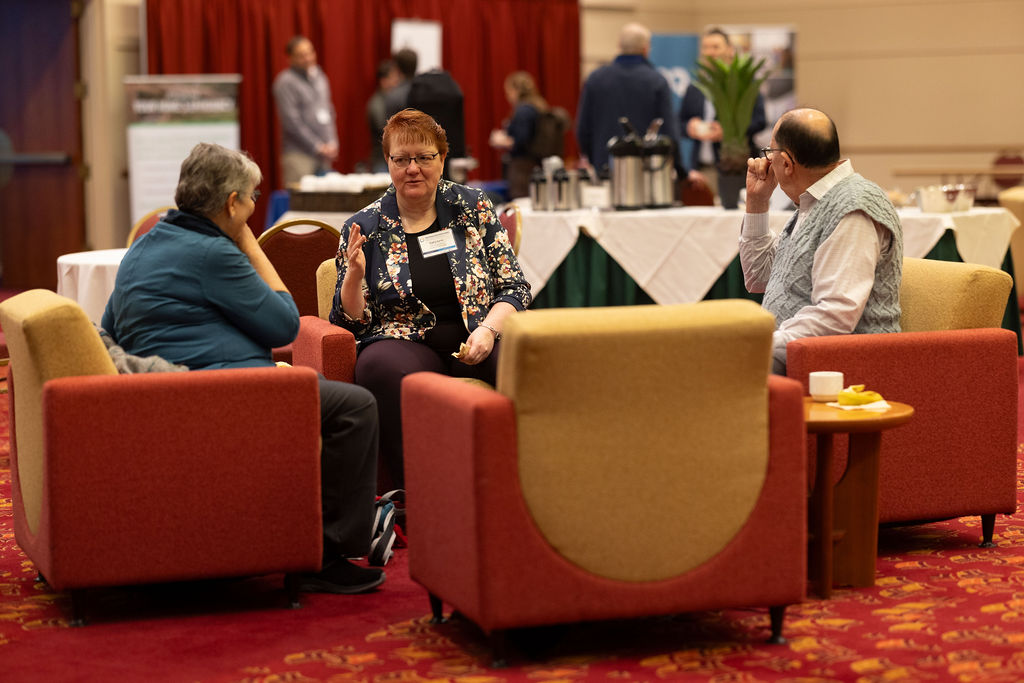
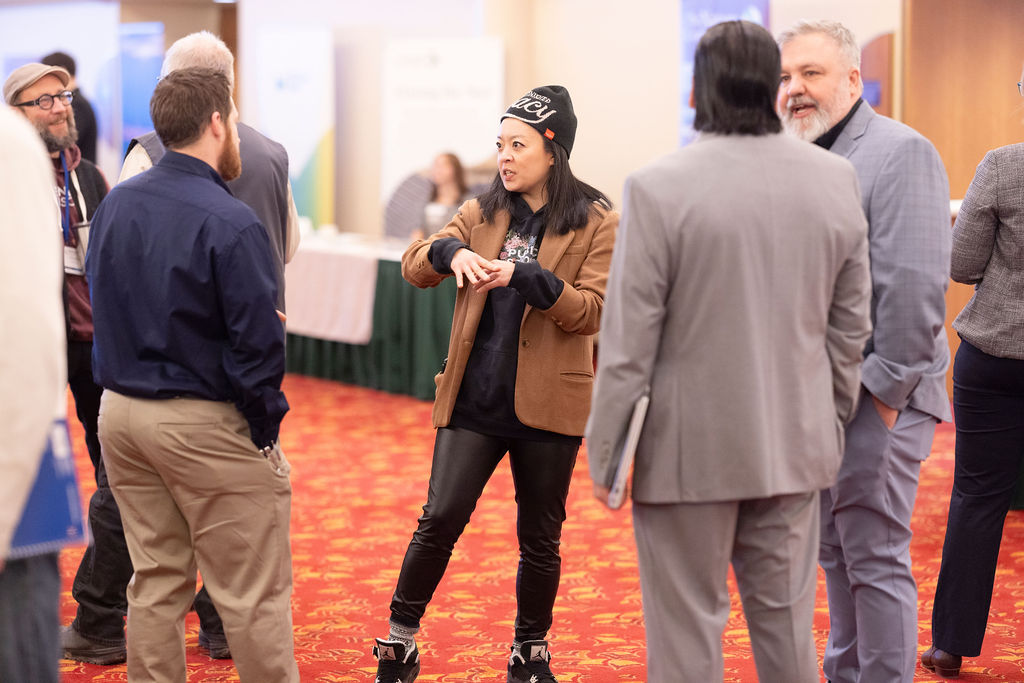
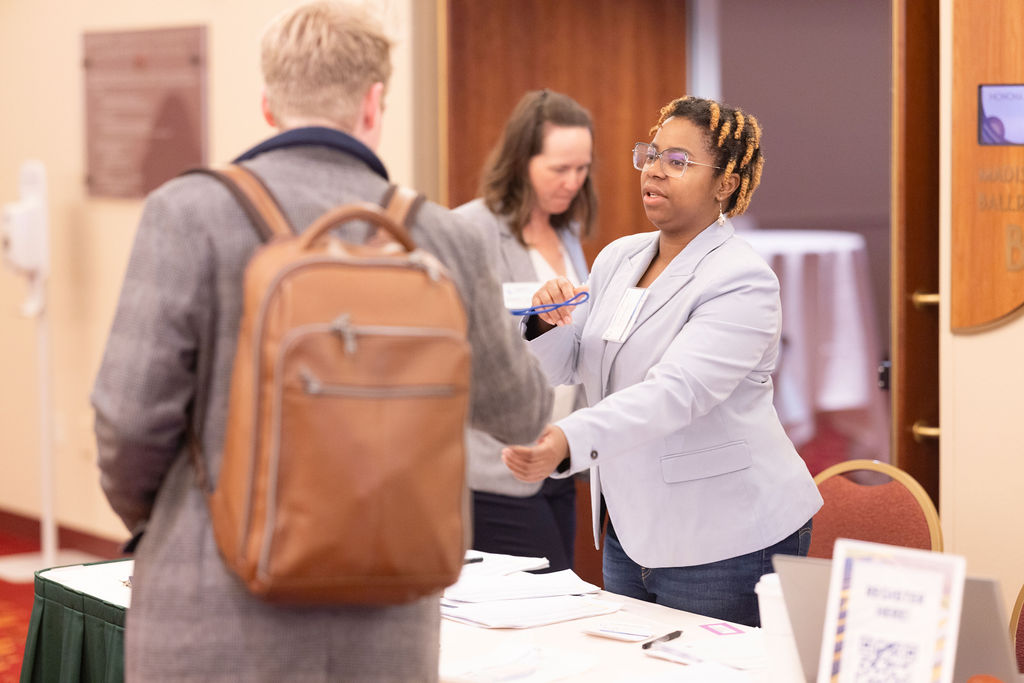
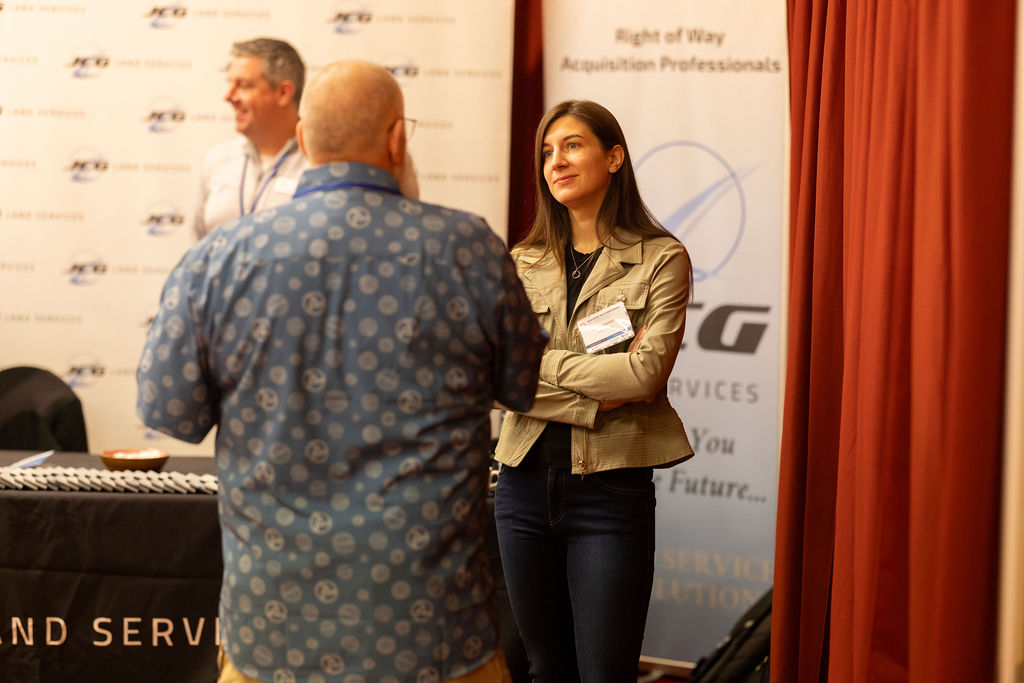
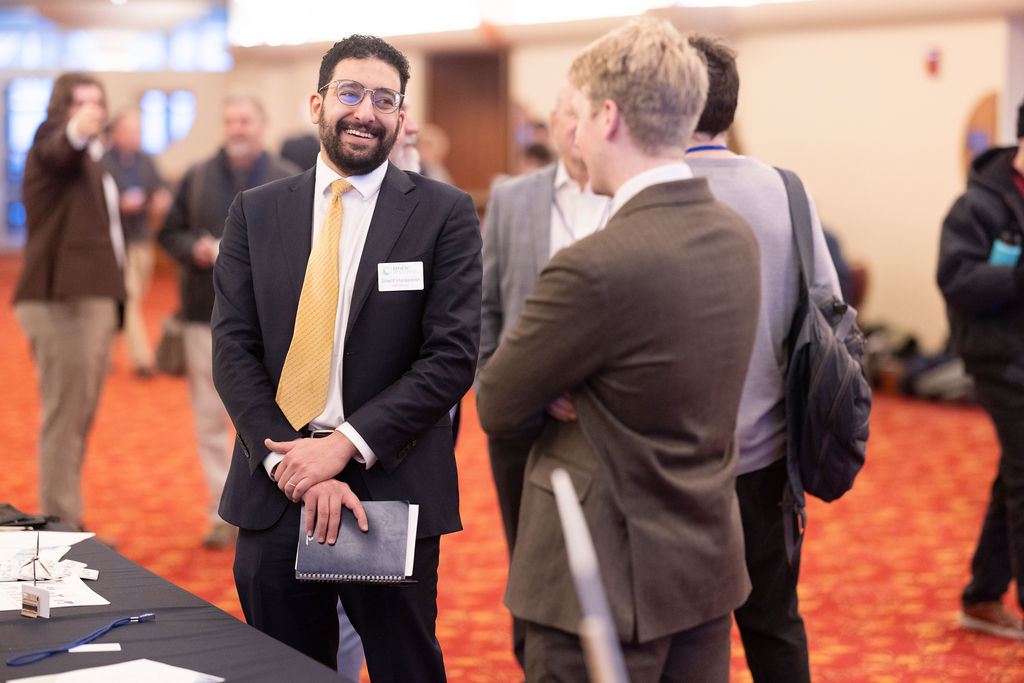
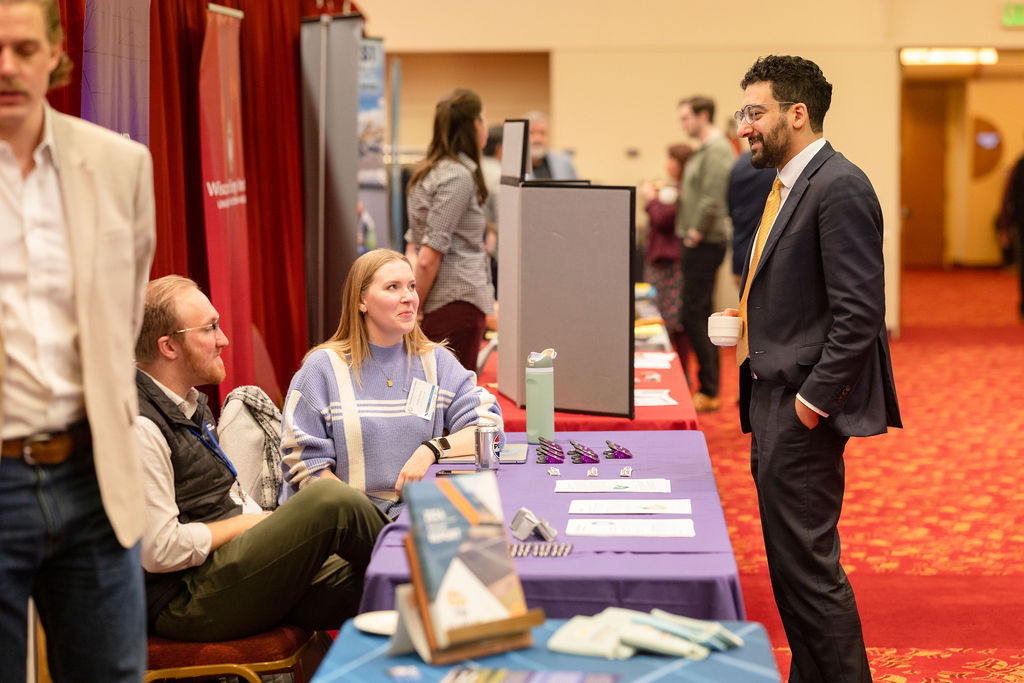
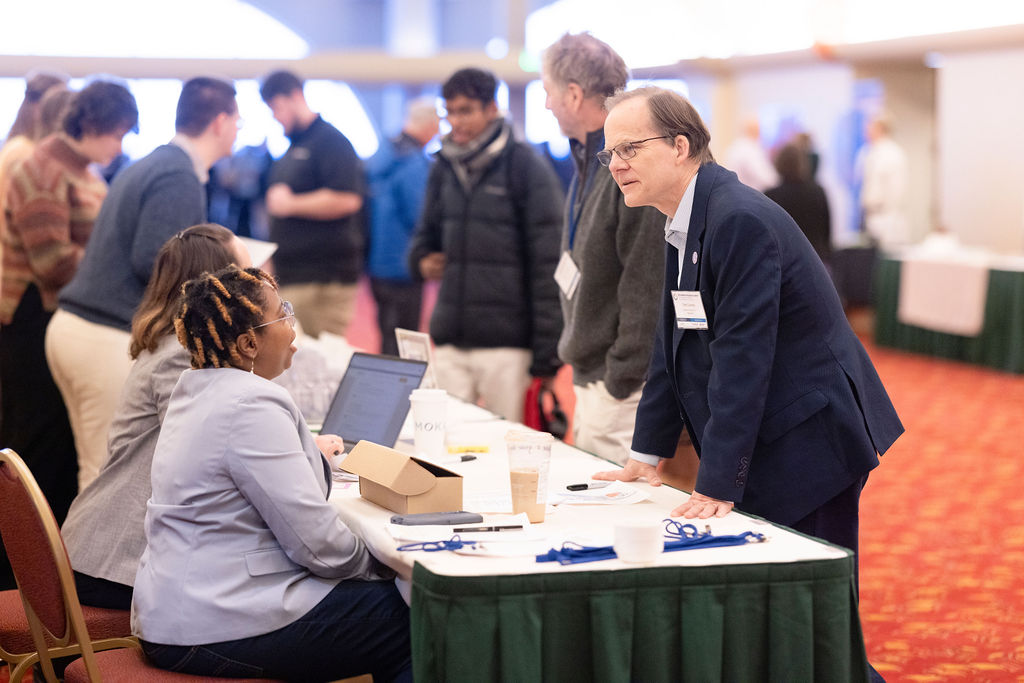
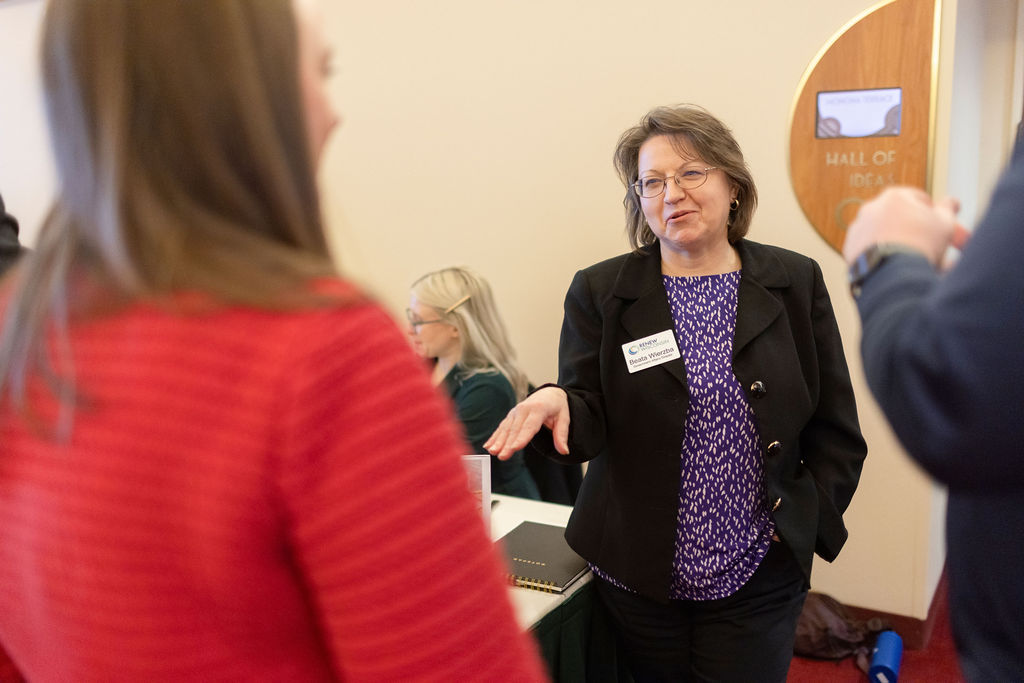
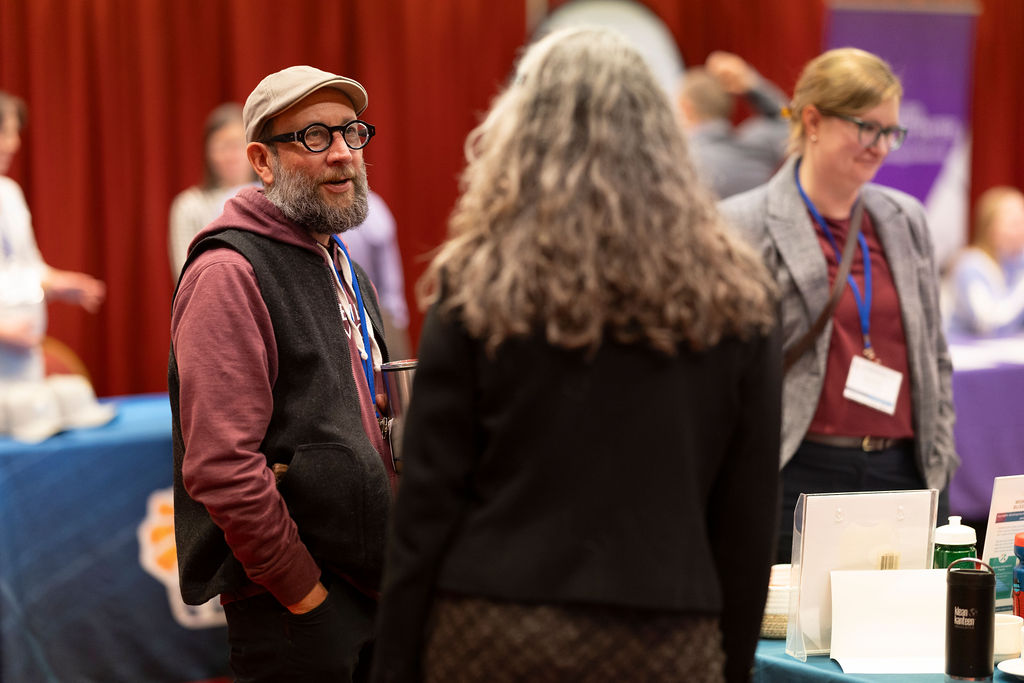
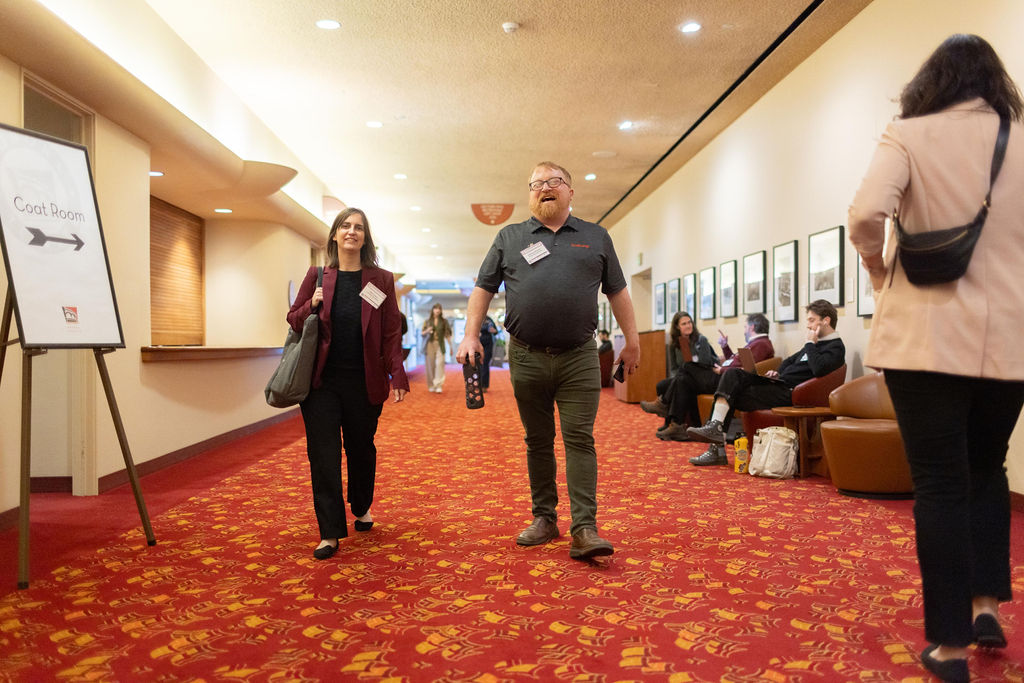
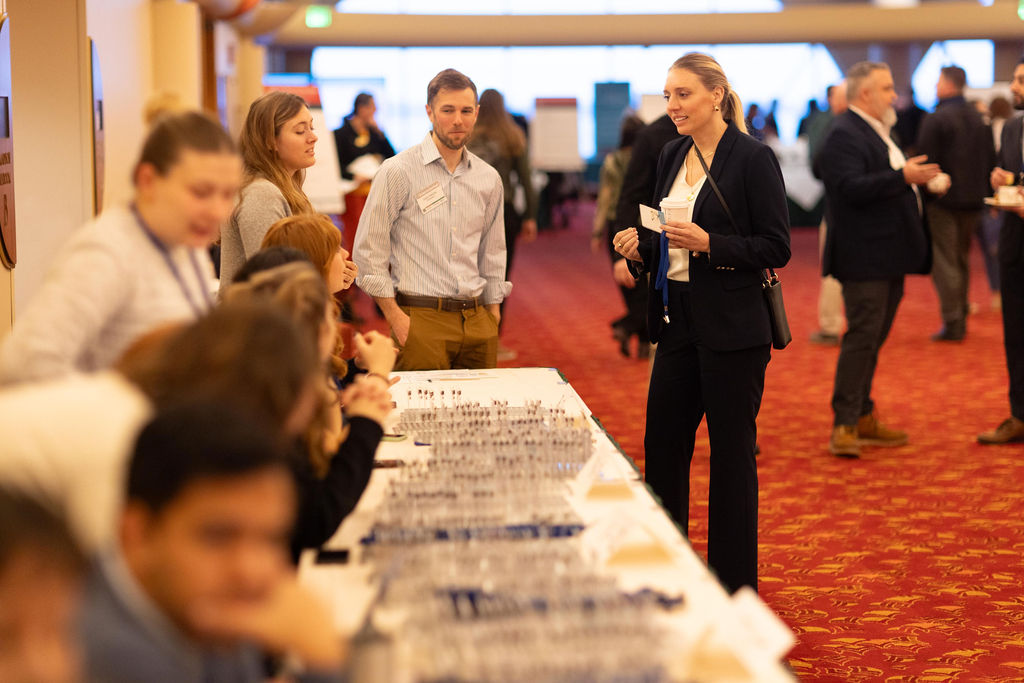
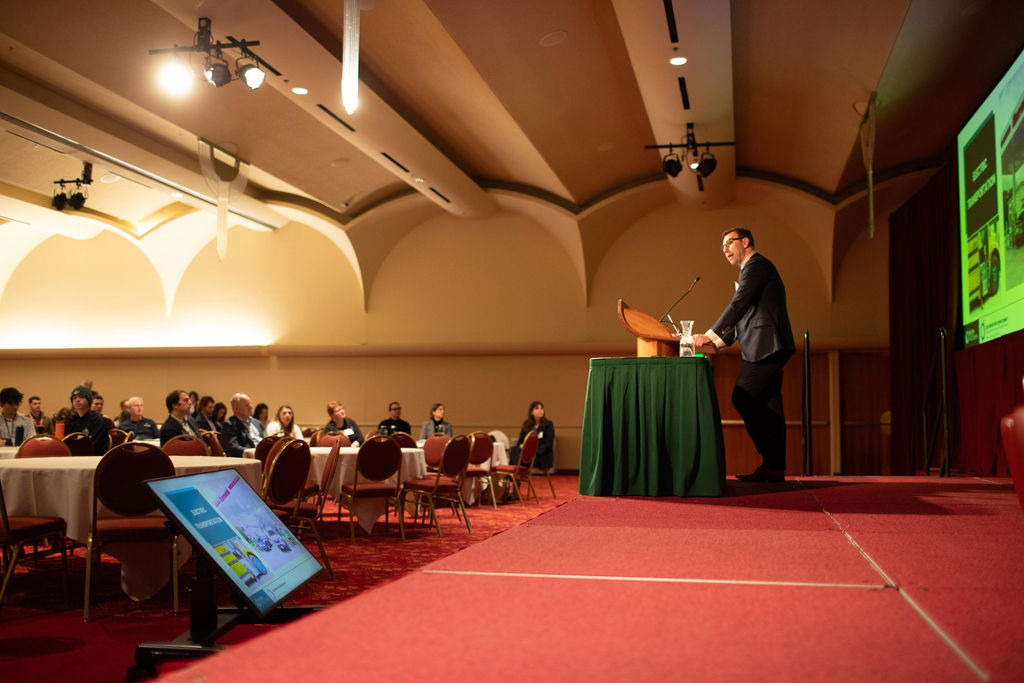
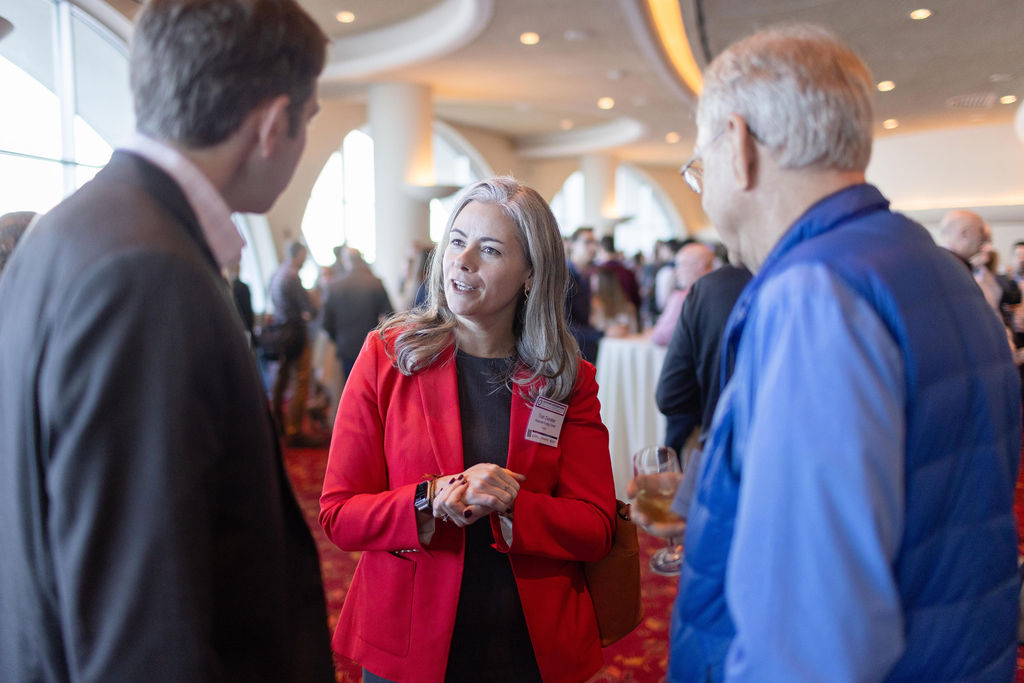
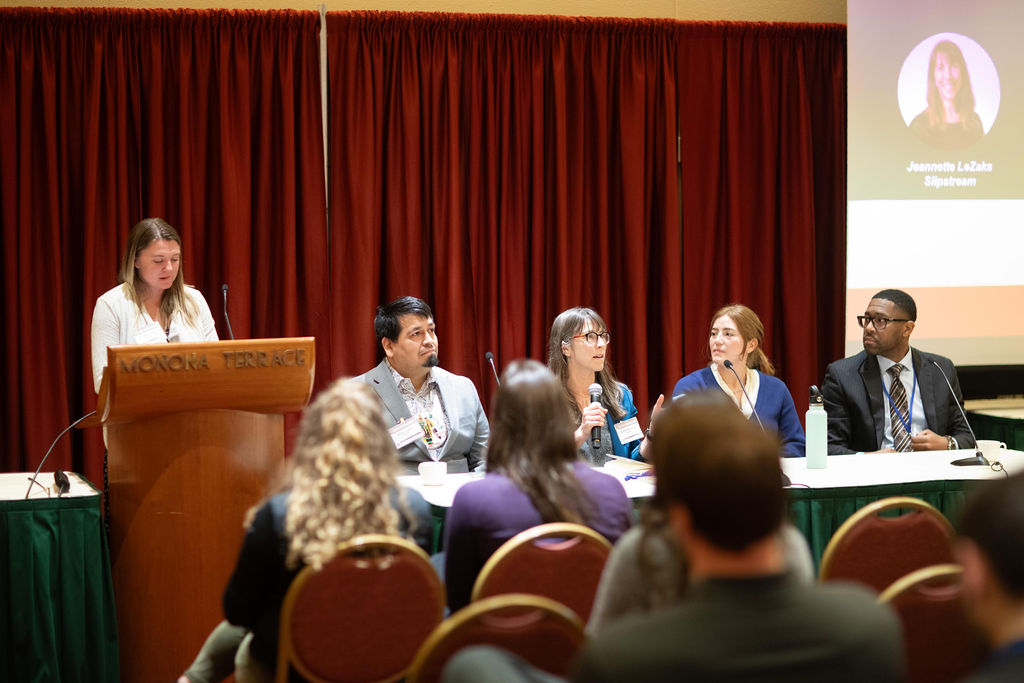
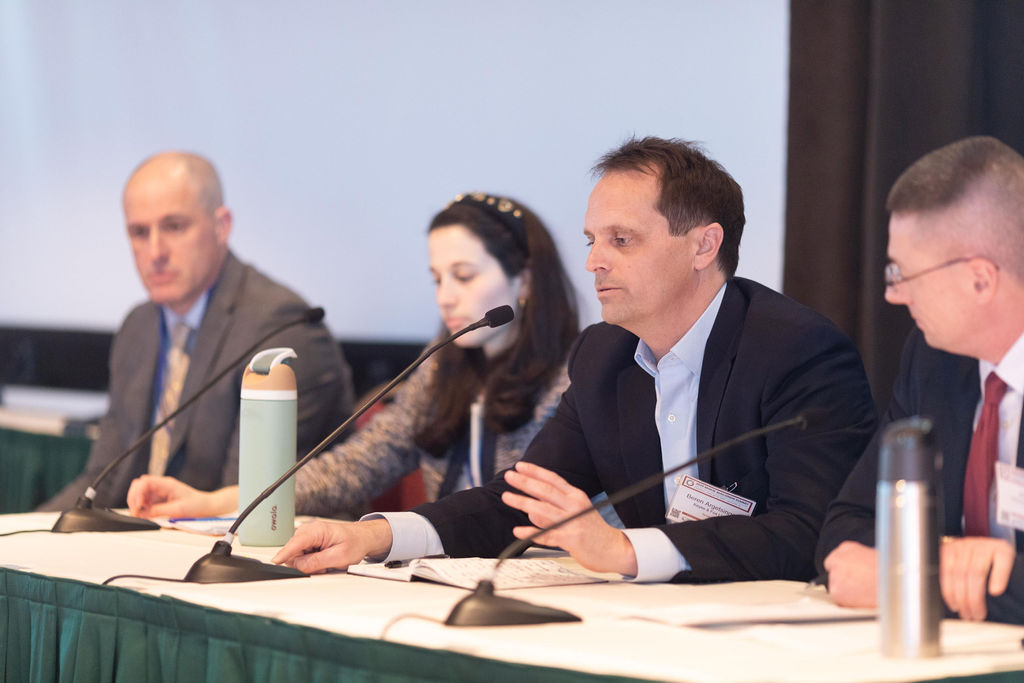
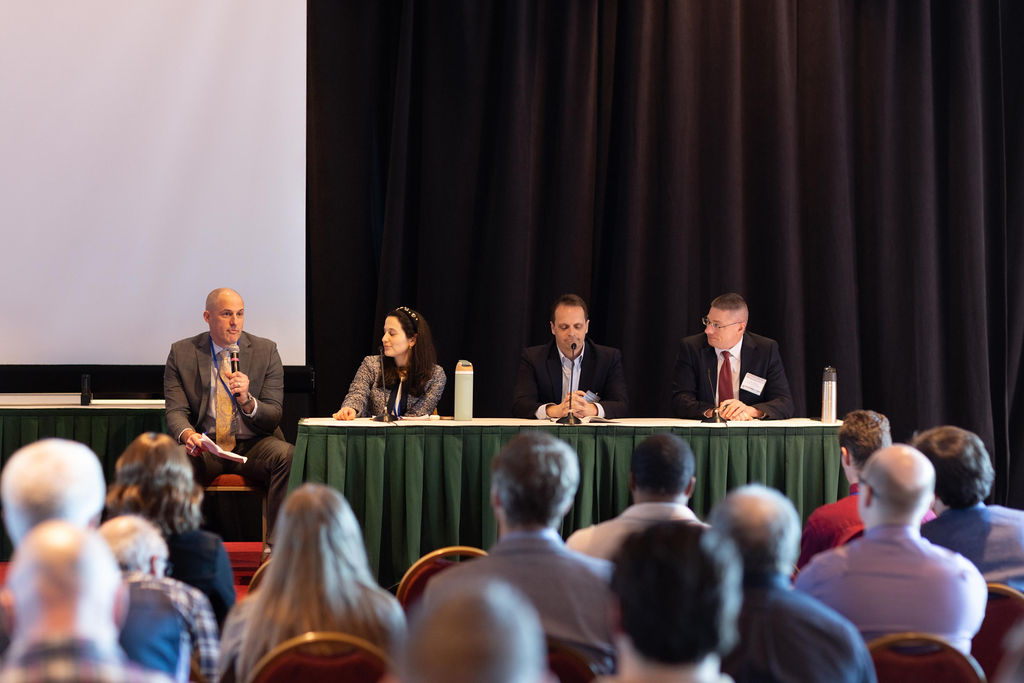
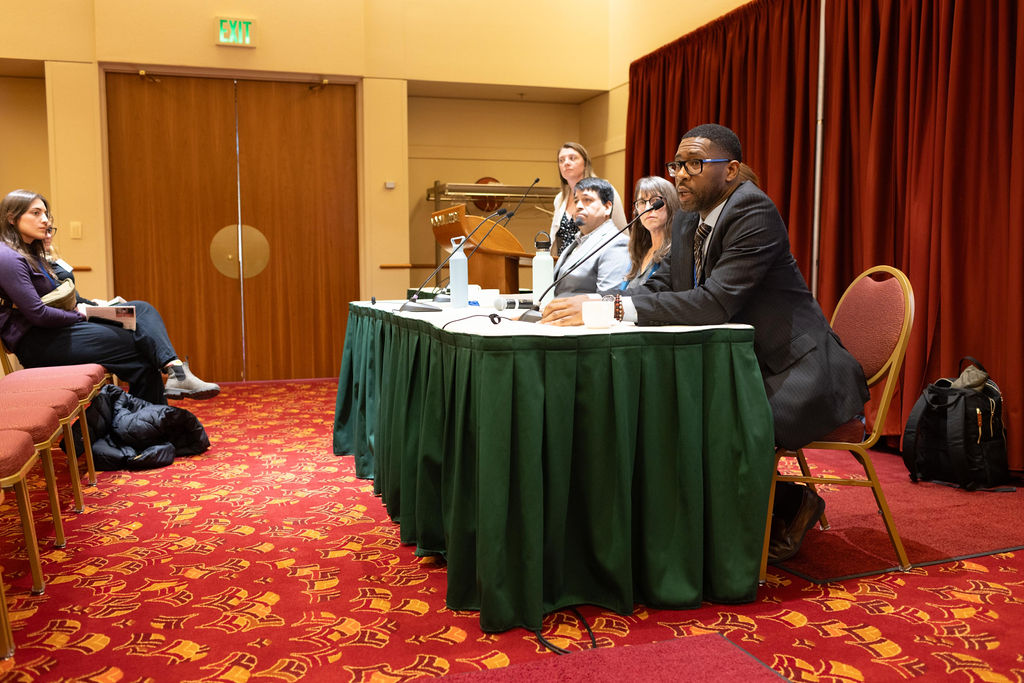
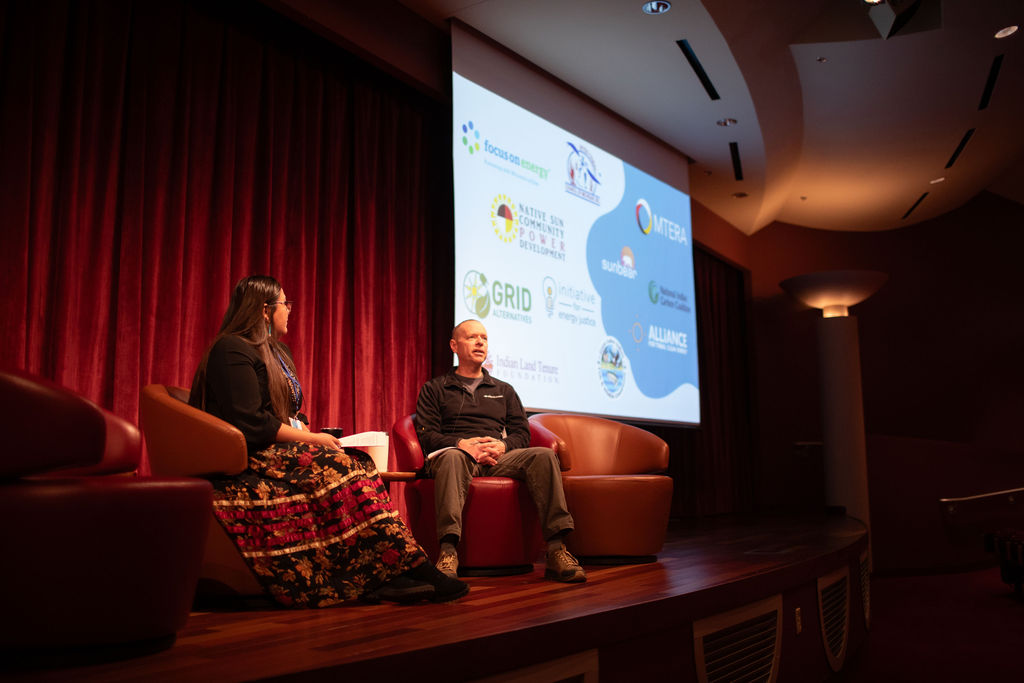
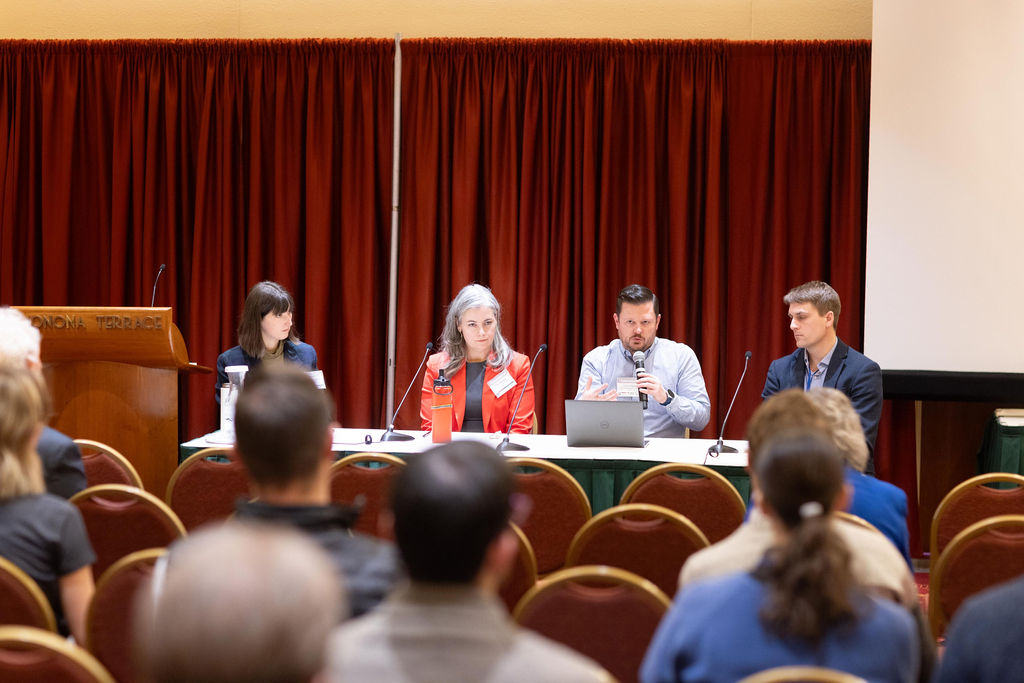
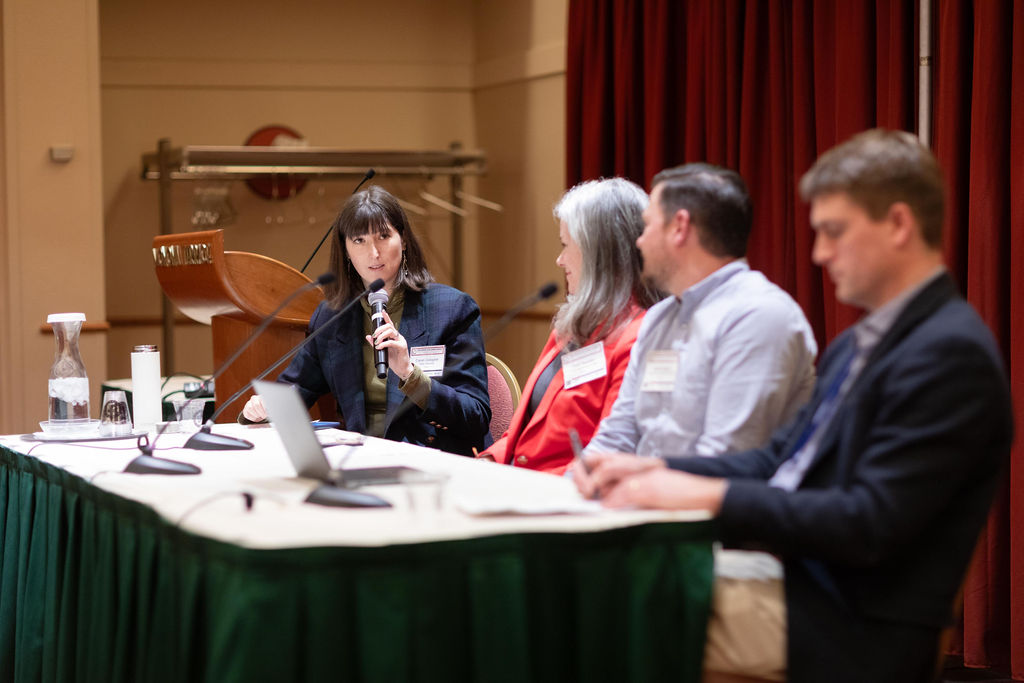
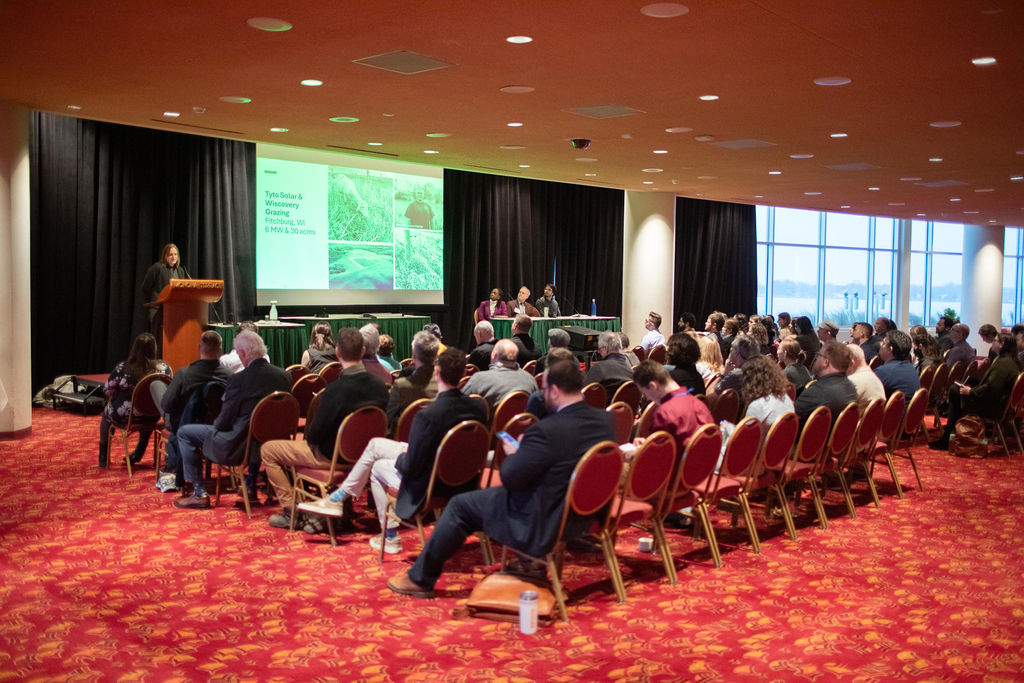
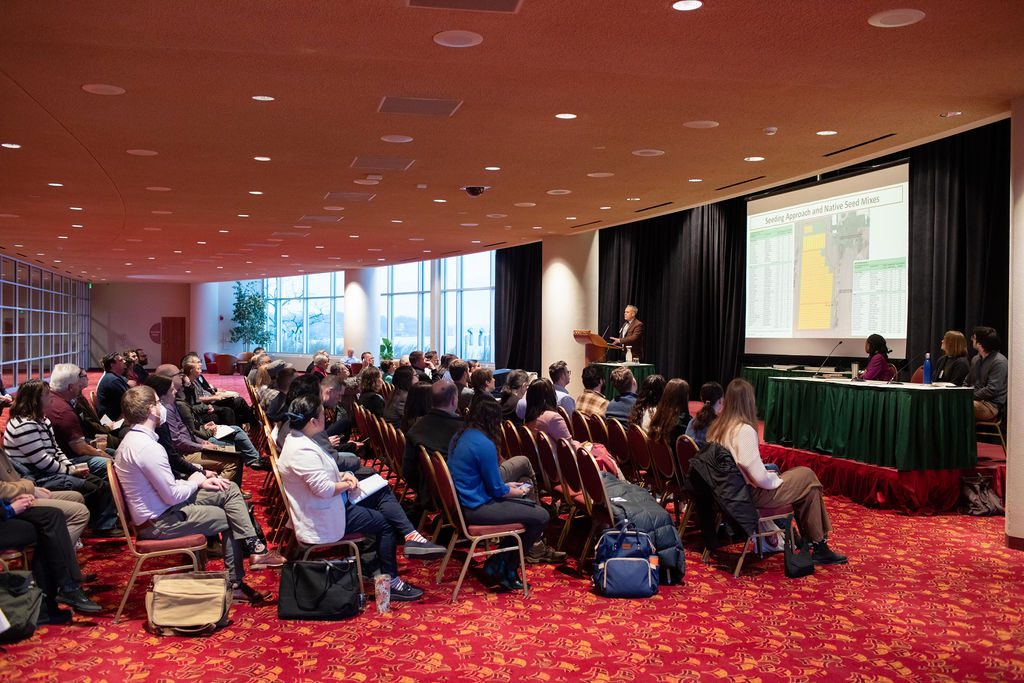
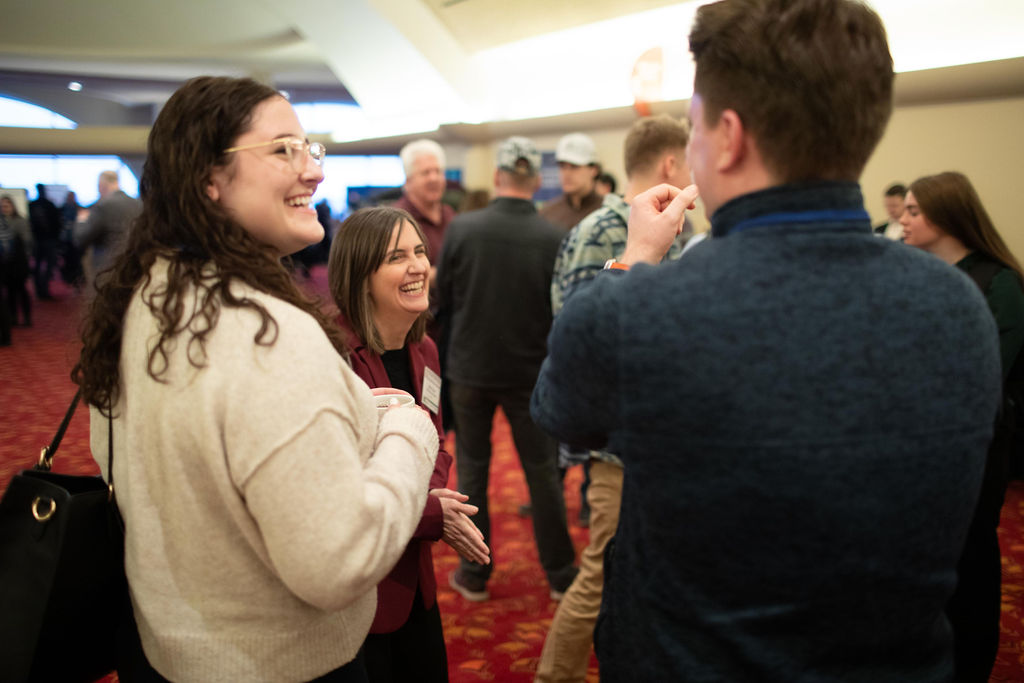
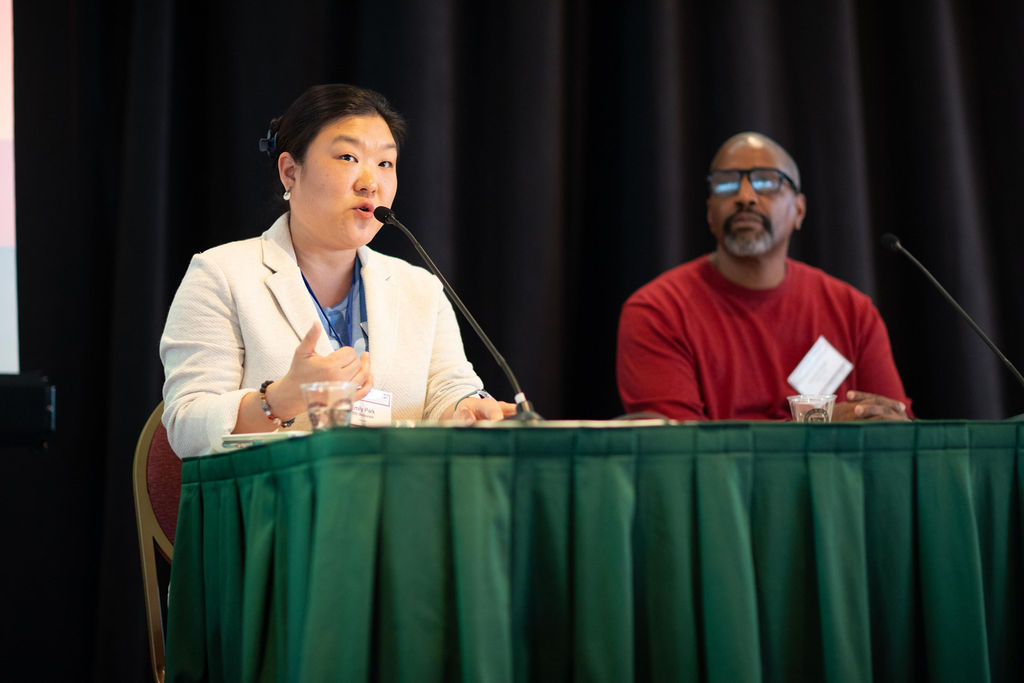
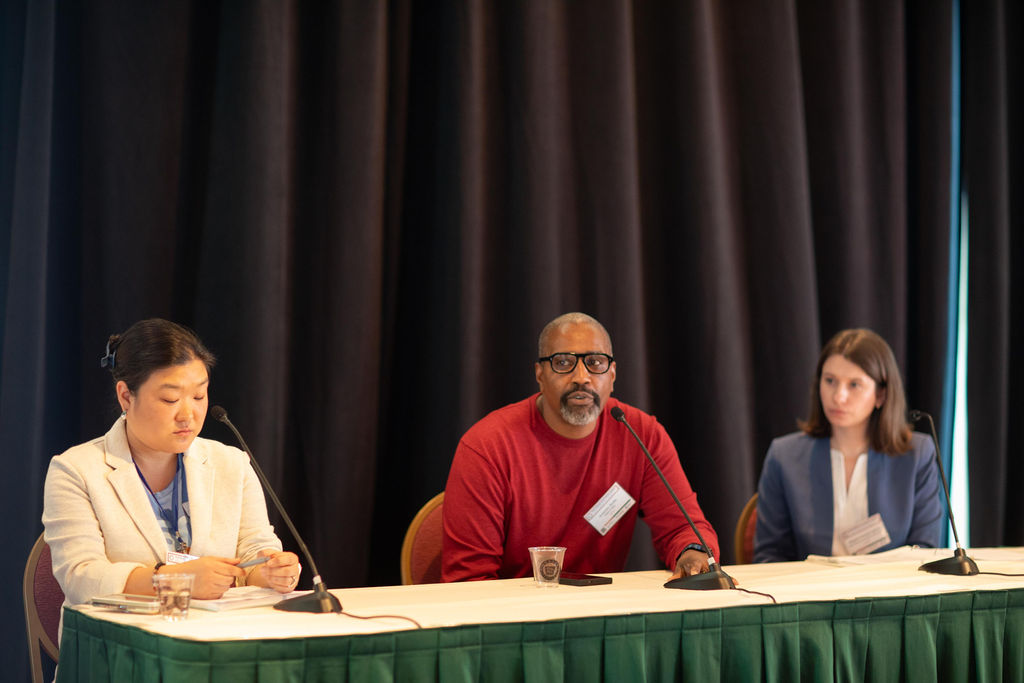
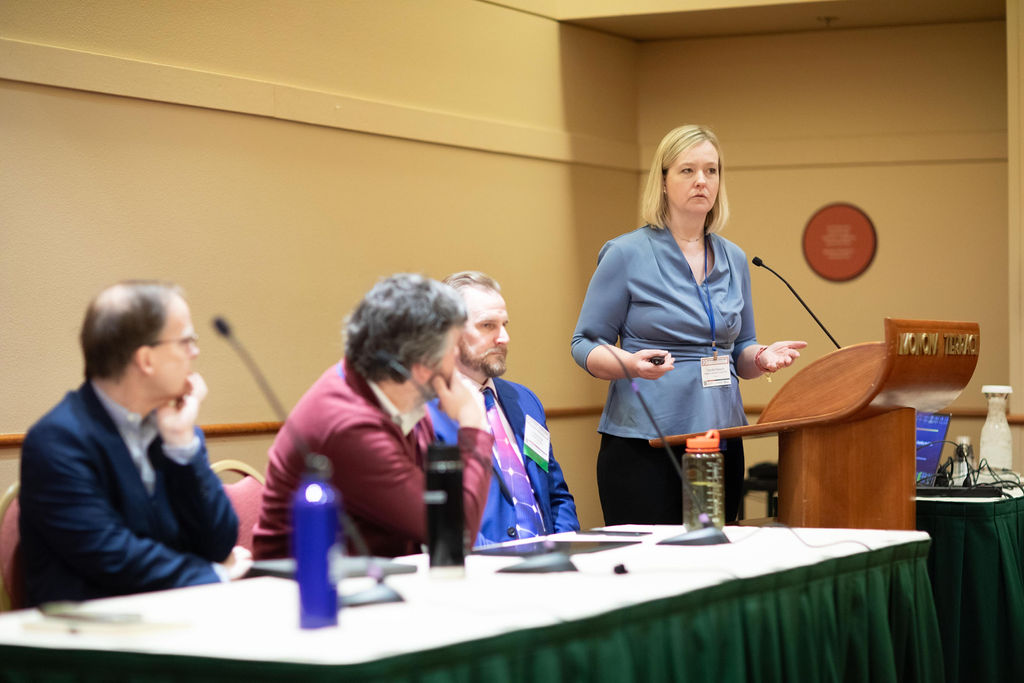
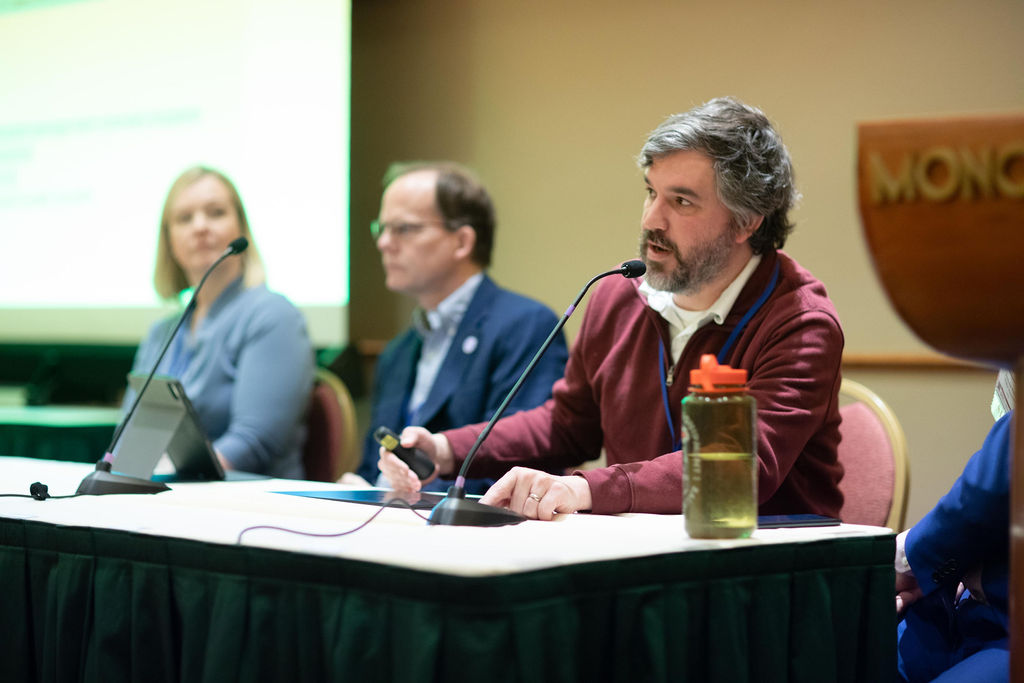
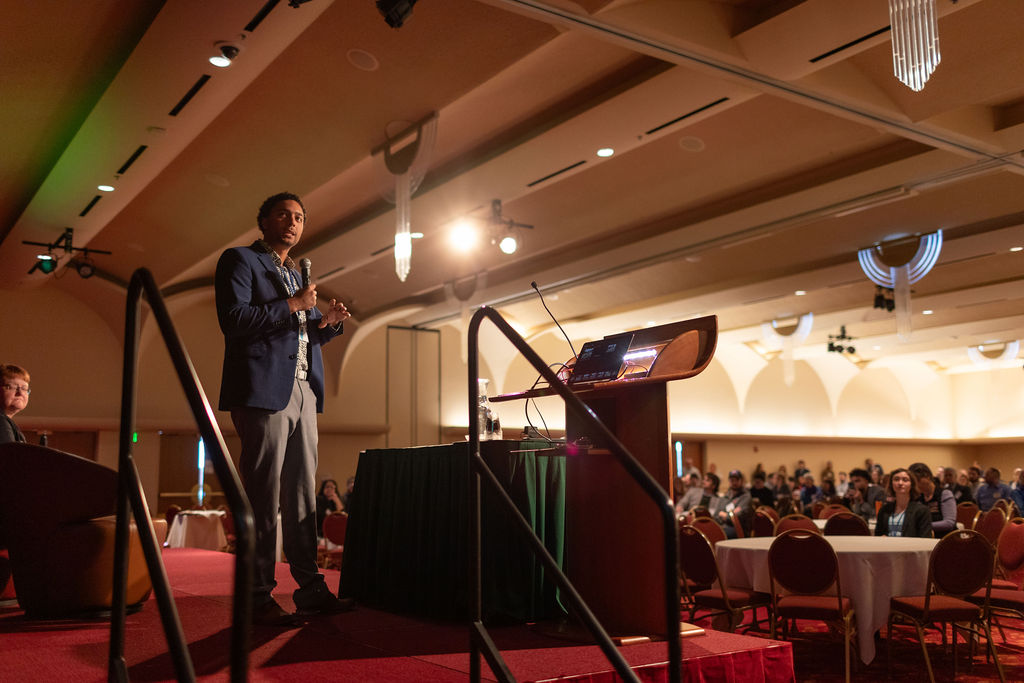
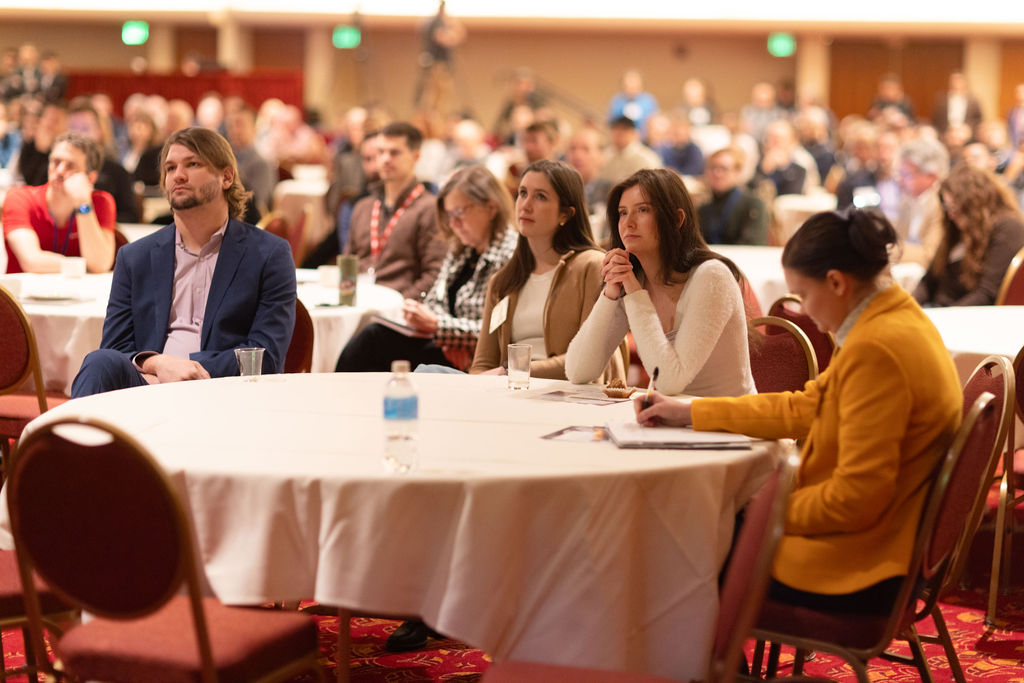
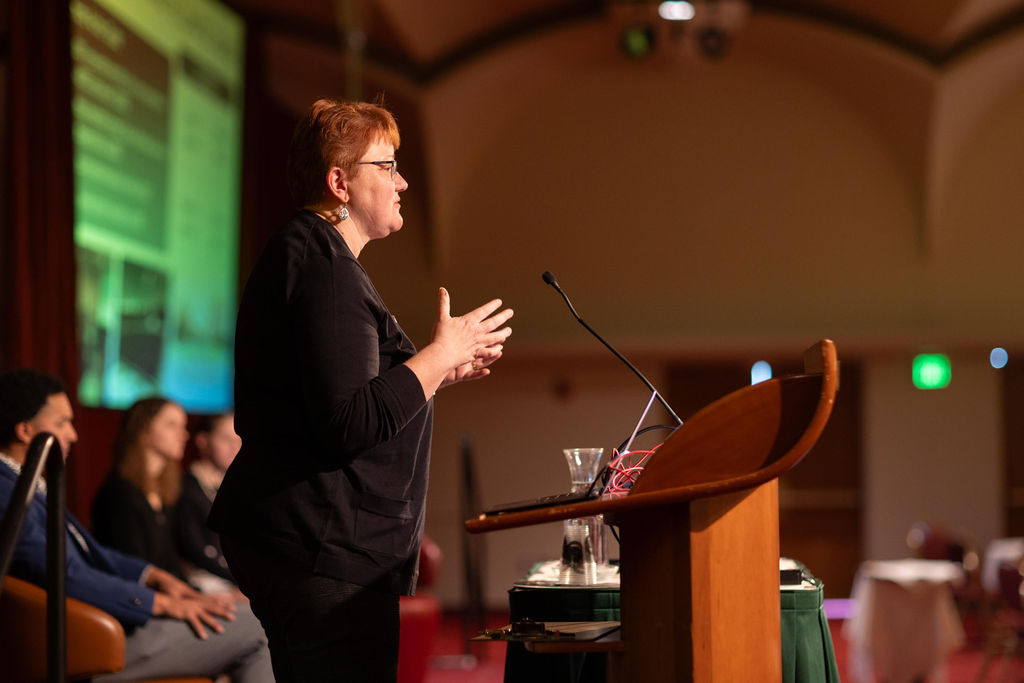
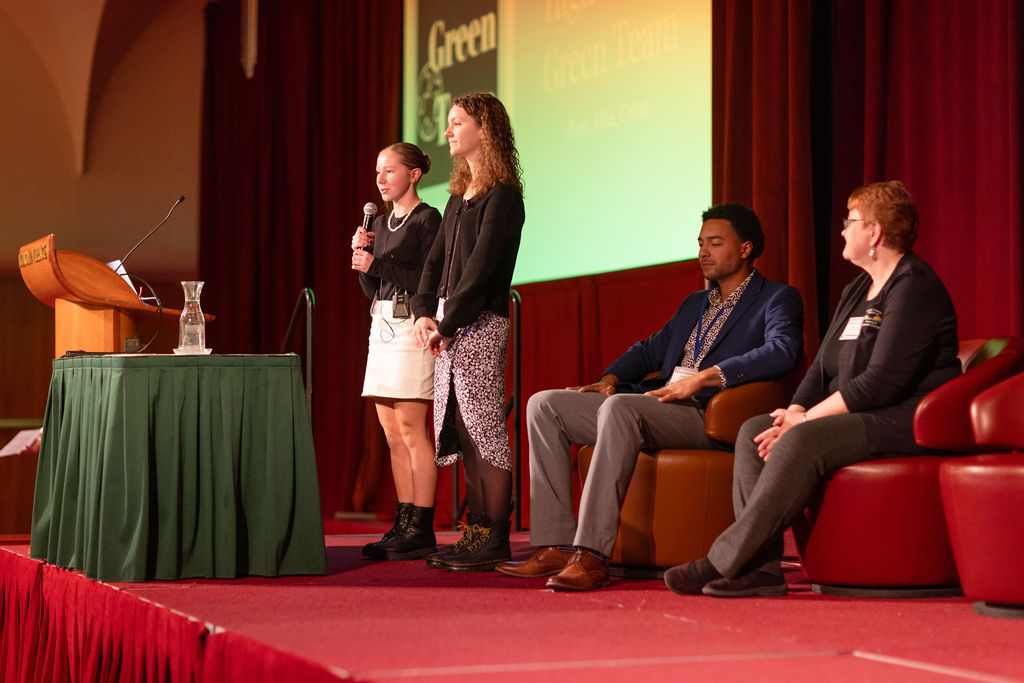
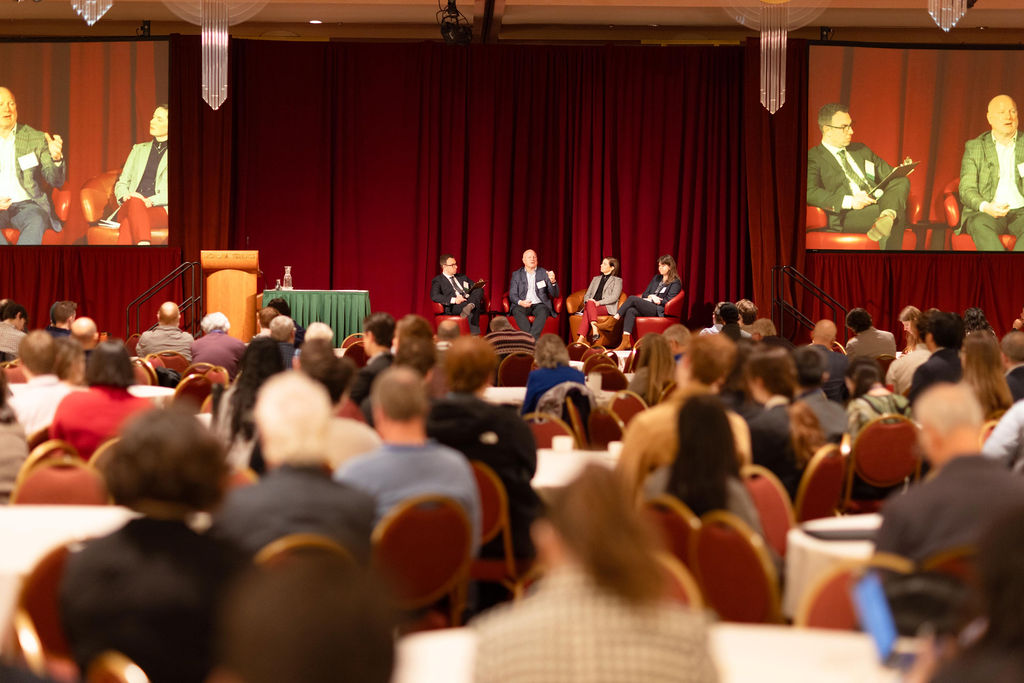
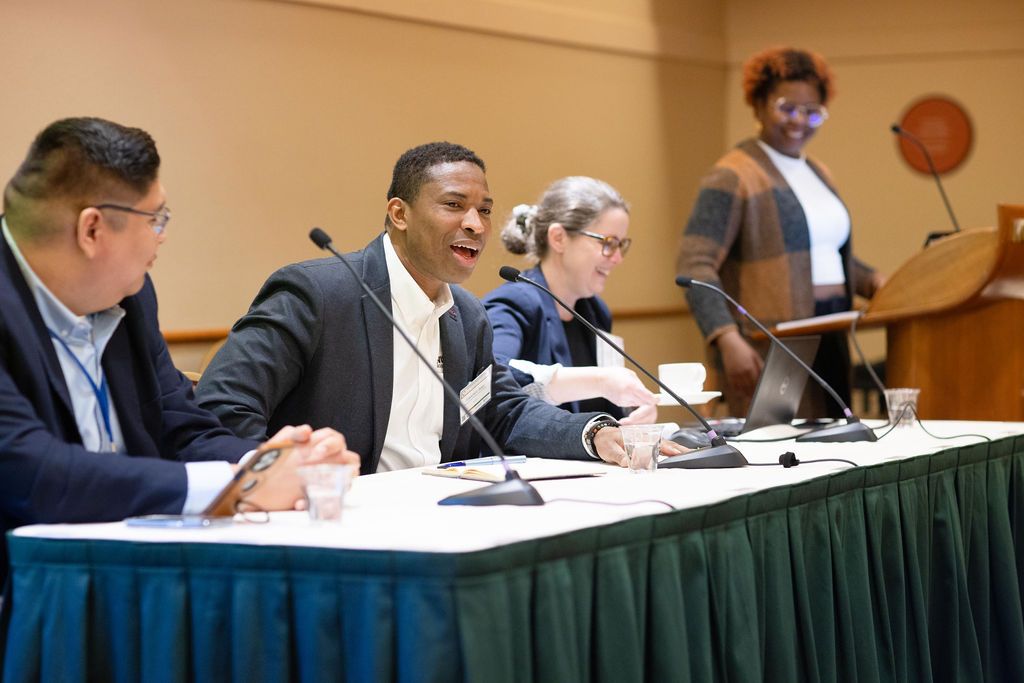
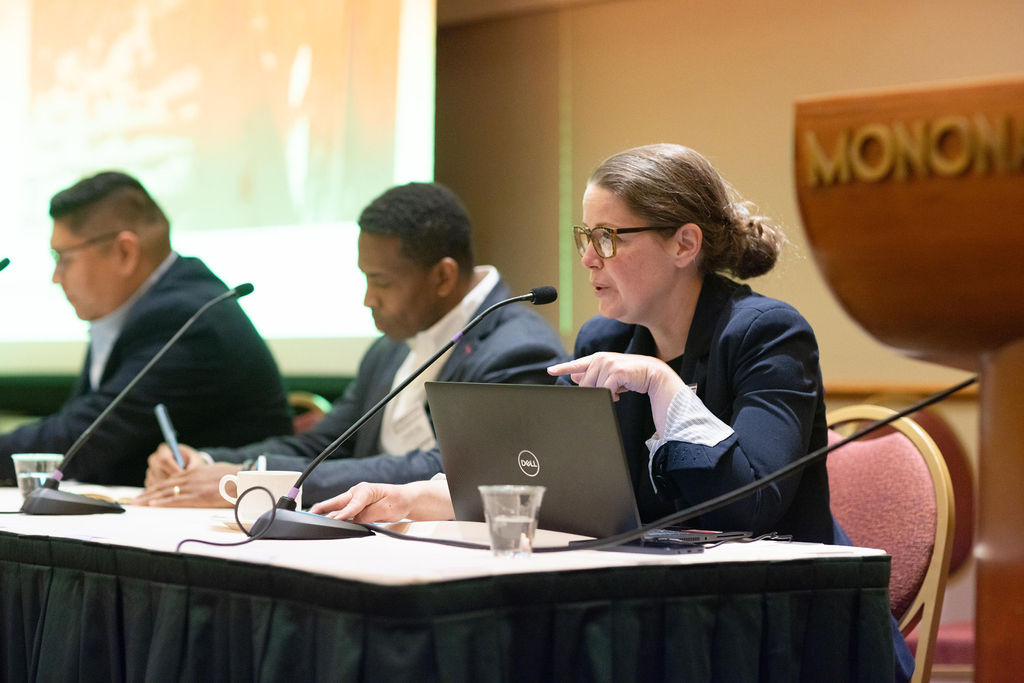
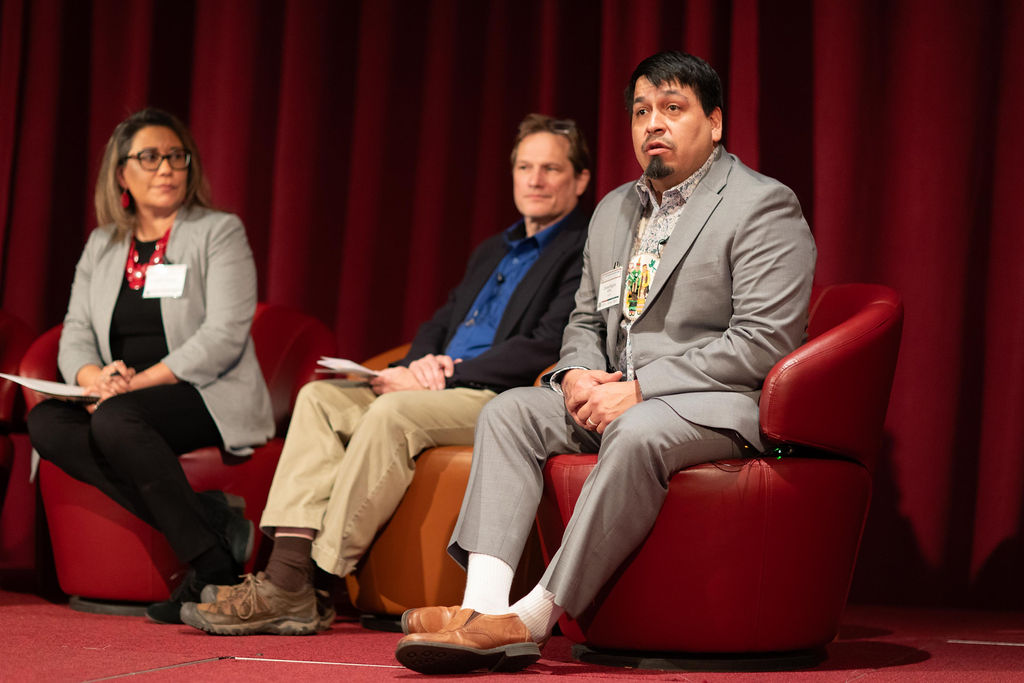
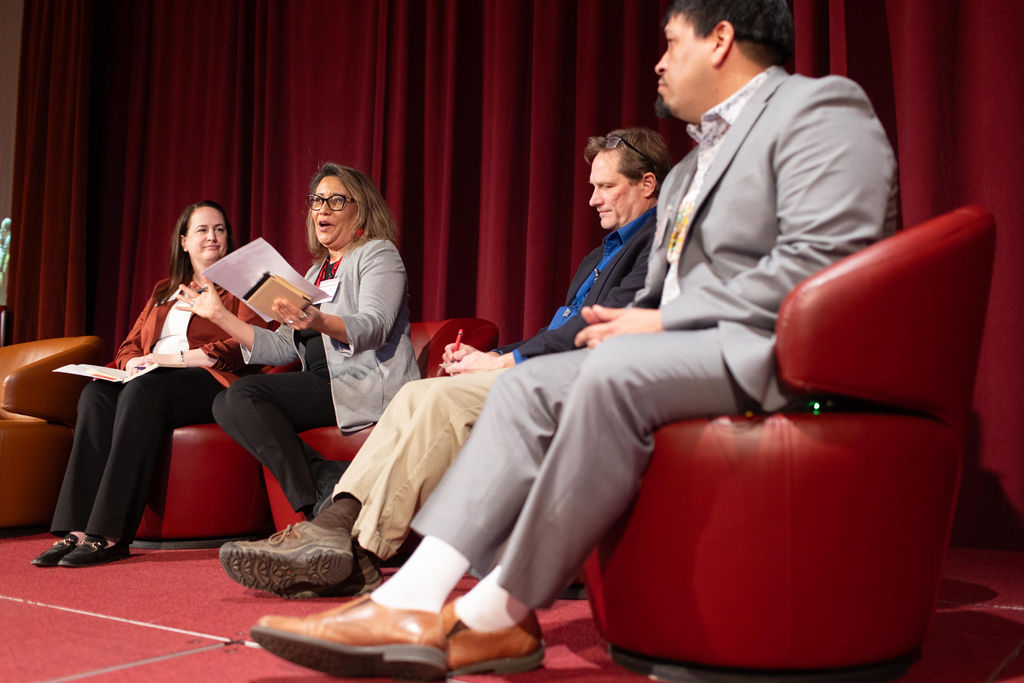
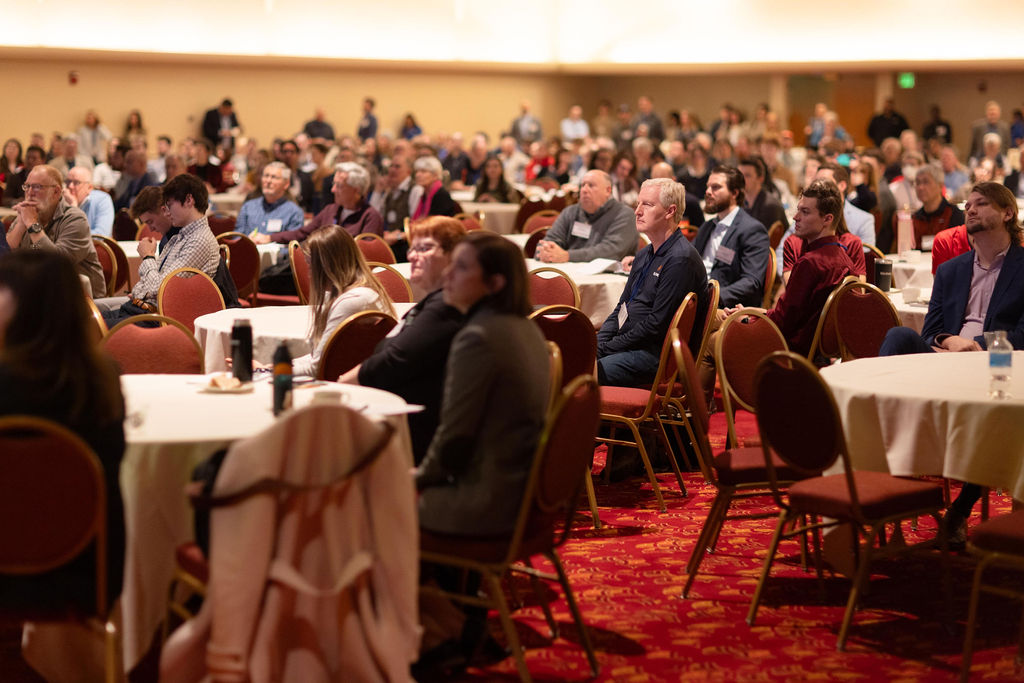
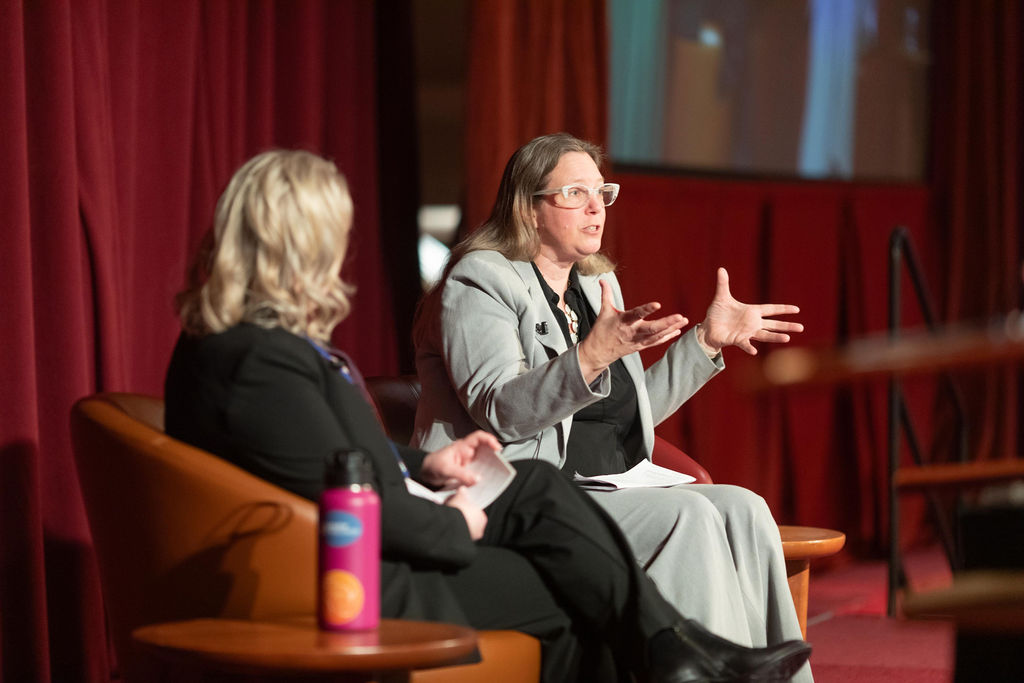
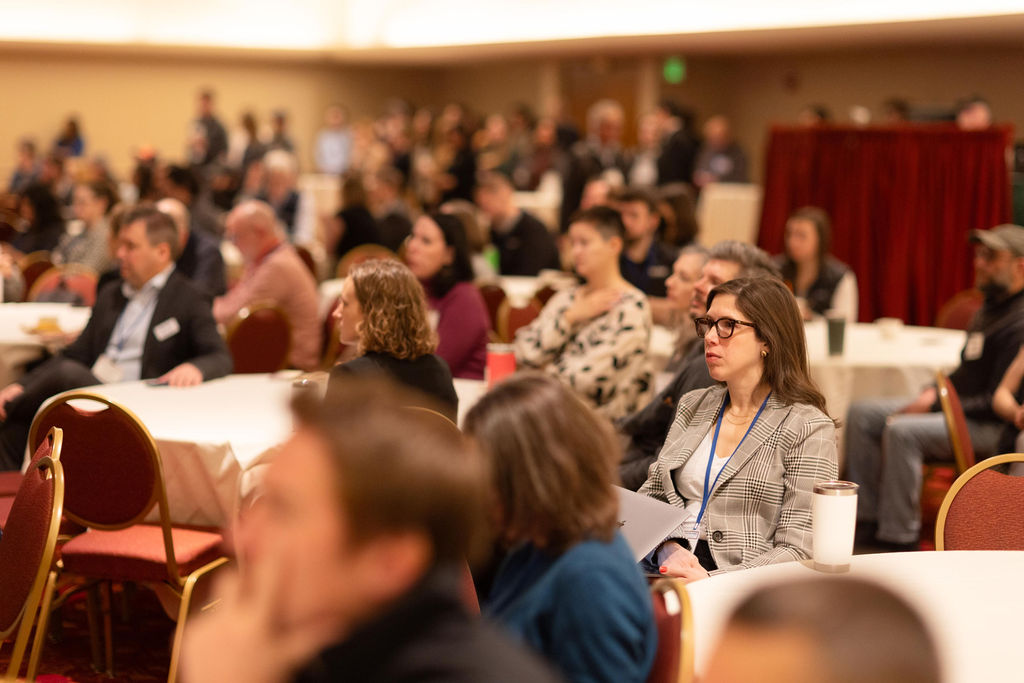
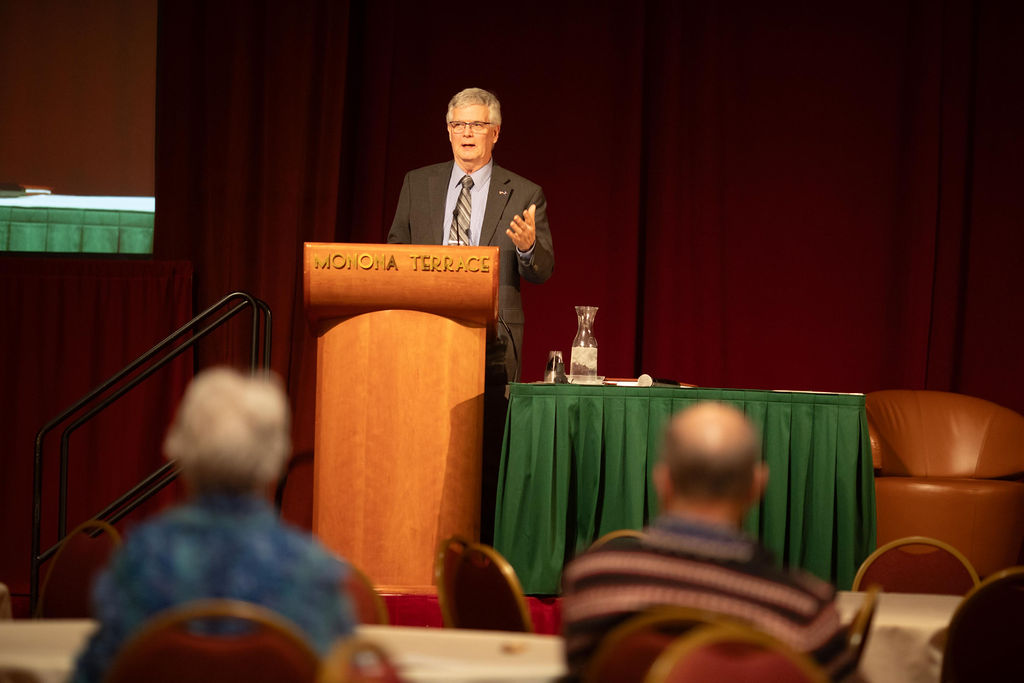
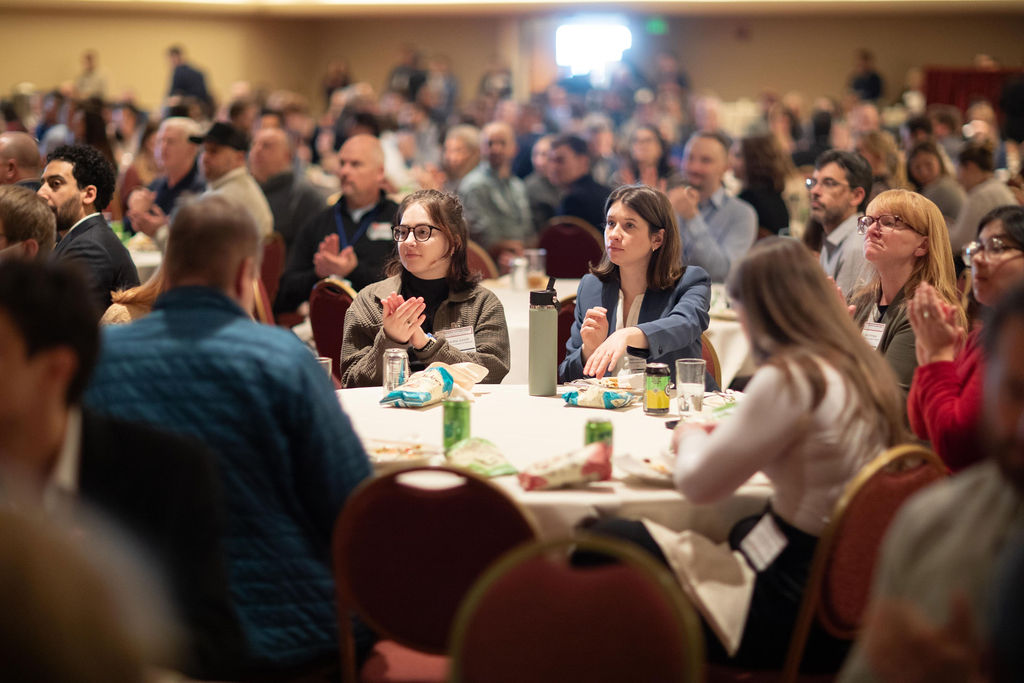
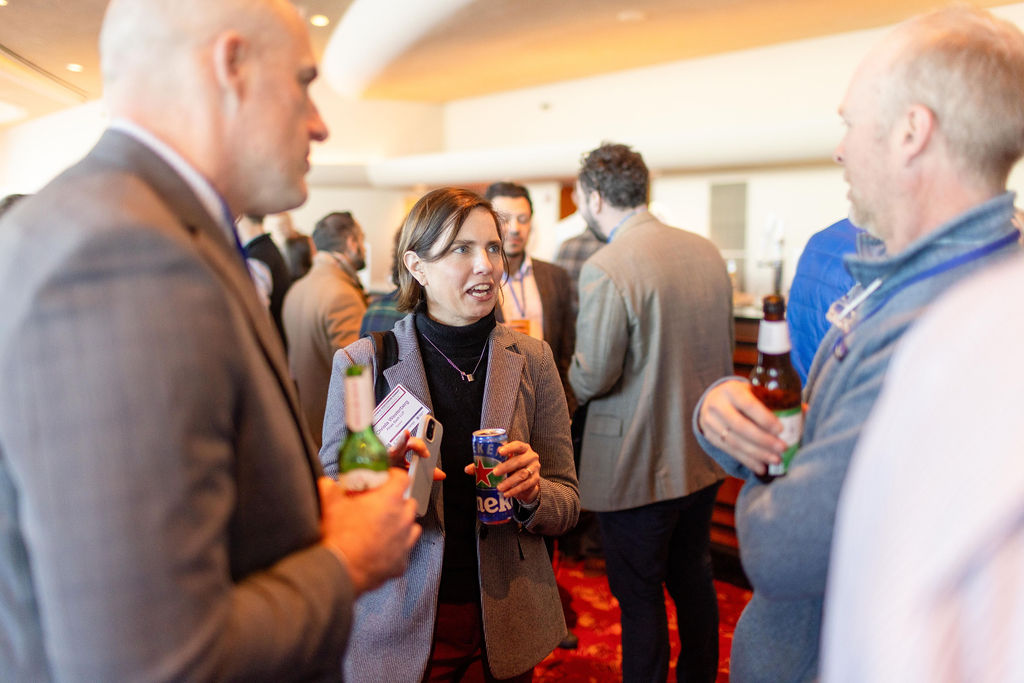
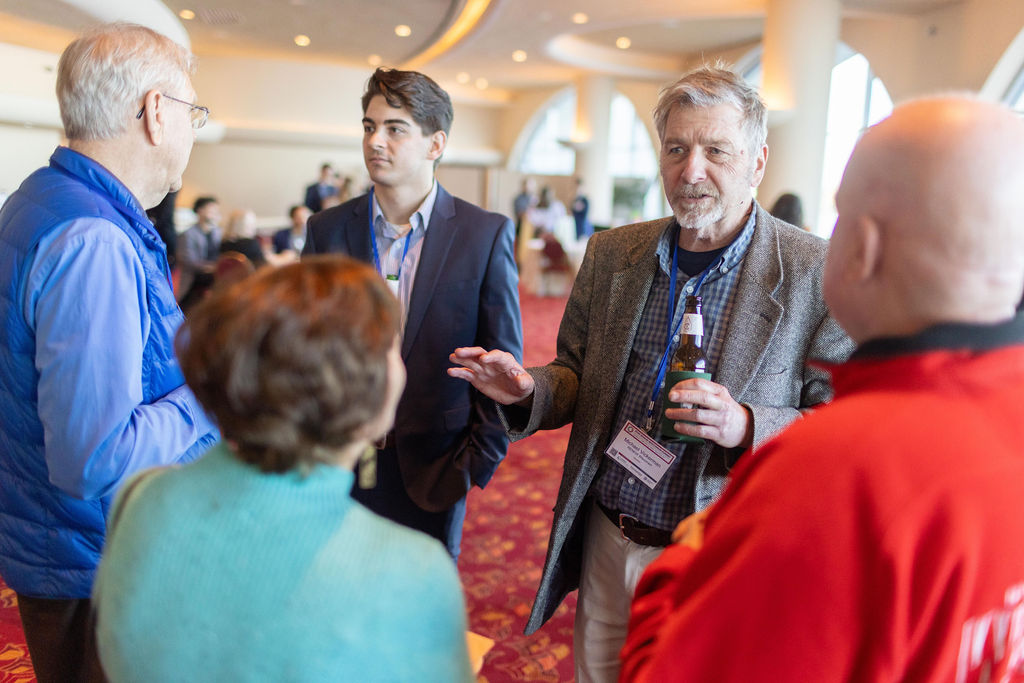
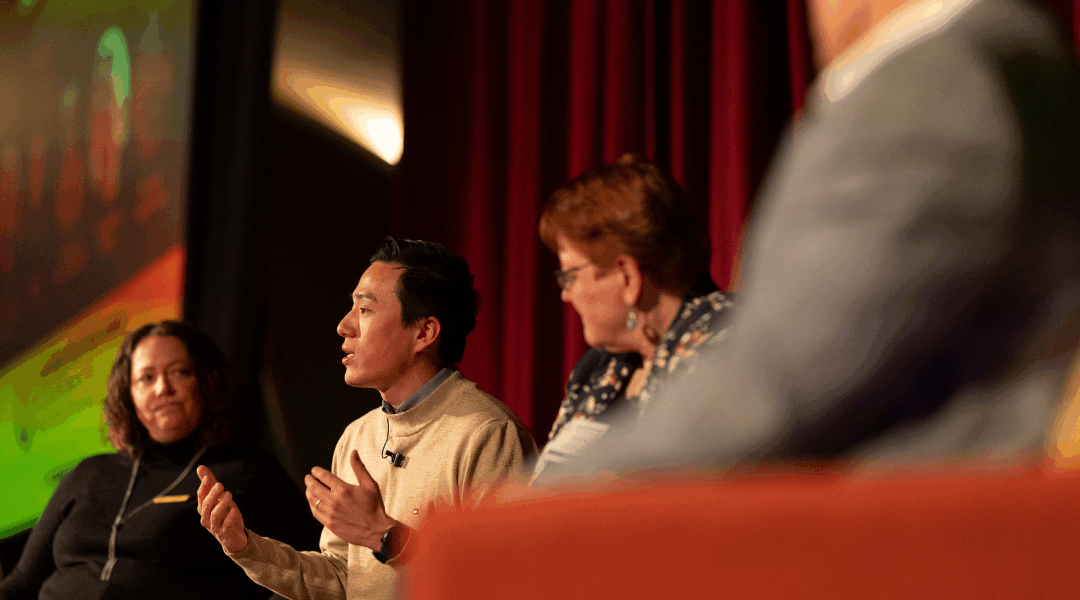
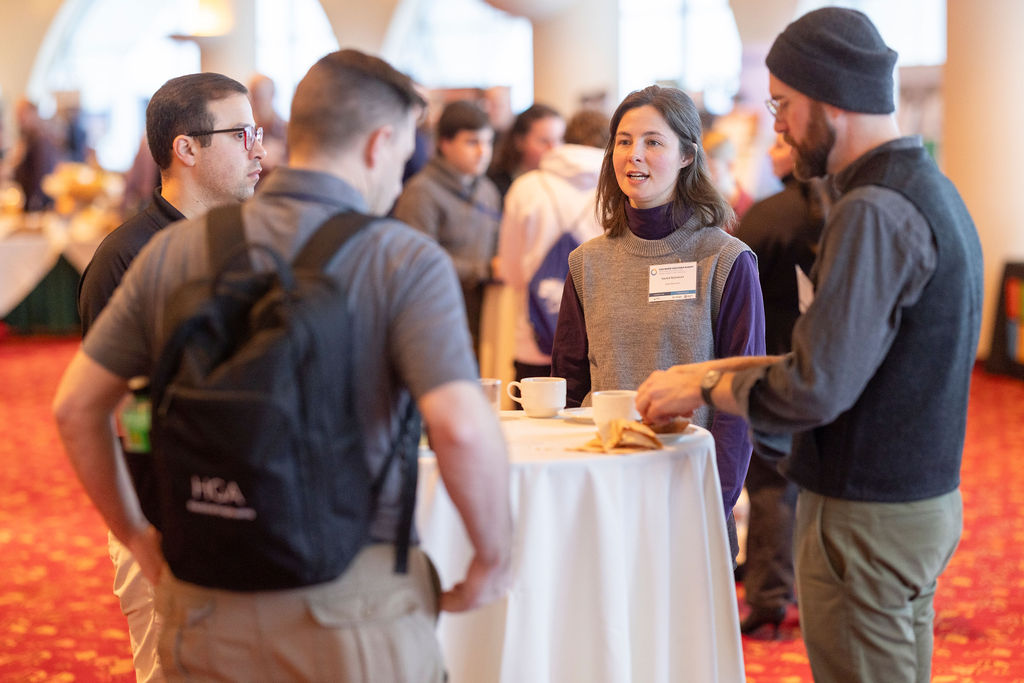
On Thursday, February 5, 2026, RENEW held our 15th annual RENEW Wisconsin Summit, presented by Invenergy and Dimension Energy. More than 600 Attendees from across the country joined us to discuss policy, legislation, and the future of energy, and how we will use clean energy to make Wisconsin more resilient! It’s hard to believe this event has been going on for so long, but it serves as proof that our industry is a resilient one.

This year, we made some small changes to our Summit, and we were happy to hear that most of them went unnoticed. That’s what we had hoped for! What changed, you ask? For the most part, we cut back on things that felt excessive, like the overall amount of food and some similar small parts of the Summit. Though we are all about clean energy, we also understand the importance of reducing waste in everything we do. Besides that, we did what we do every year — we focused on programming that we felt best represented current events so that we could have timely conversations about our industry, however difficult.
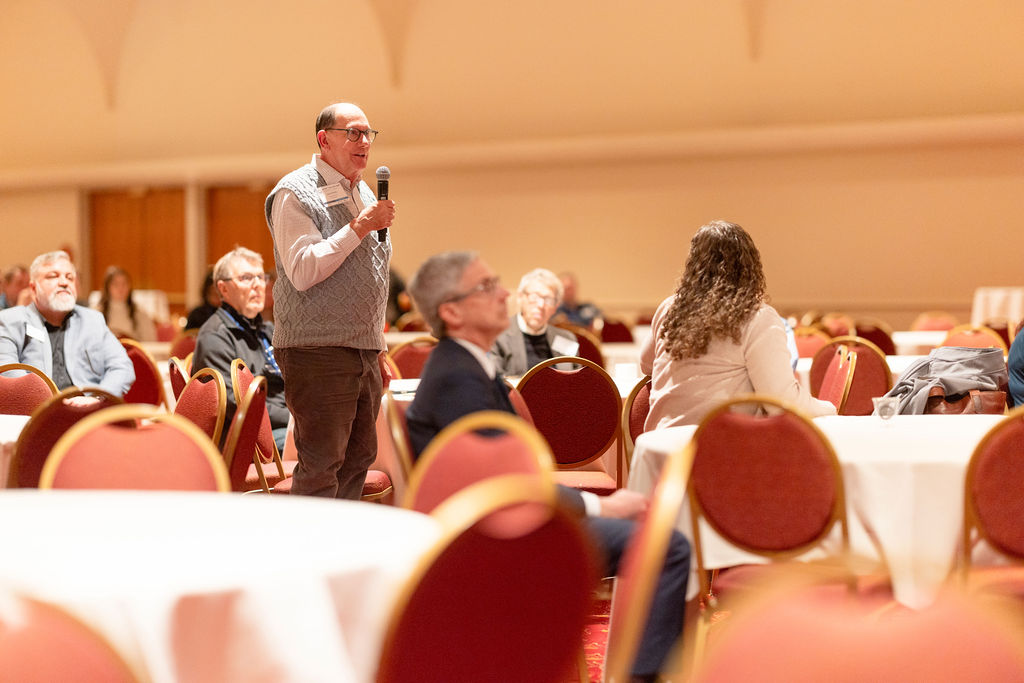
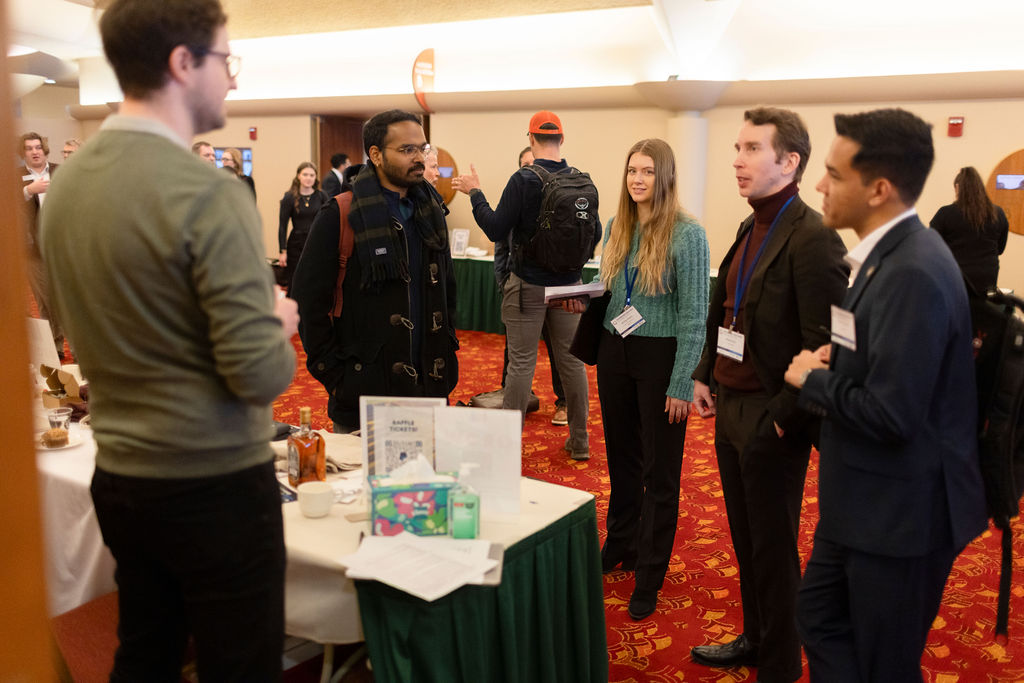
We certainly did have some interesting conversations this year, as well as a couple that might have been difficult or uncomfortable for some. That said, we hope you walked away from our programming with a stronger idea of the energy issues facing us in 2026 and some ideas of how we can address them. It’s our hope that the Summit serves as a launching pad for the remainder of the year. If our sessions on data centers, nuclear power, community benefits of utility-scale renewables, financing, or any of the others spurred an idea, we’d love to hear it. Together, we can turn these ideas into action as we continue to build a more resilient Wisconsin by expanding renewable energy.

And finally, we’d like to share some gratitude. The RENEW Wisconsin Summit comes together through the tireless efforts of our staff, board, volunteers, the many speakers who join us, our generous sponsors, and even our many attendees. The collective effort of the renewable energy industry is what makes this event so special, at least we certainly consider it special. It’s our hope that this event means something to all of you as well, because we’re doing it again. We admittedly don’t have many of the details worked out just yet for the 16th RENEW Wisconsin Summit, but we do know that we’ll be back on February 4, 2027. We hope you’ll join us then!

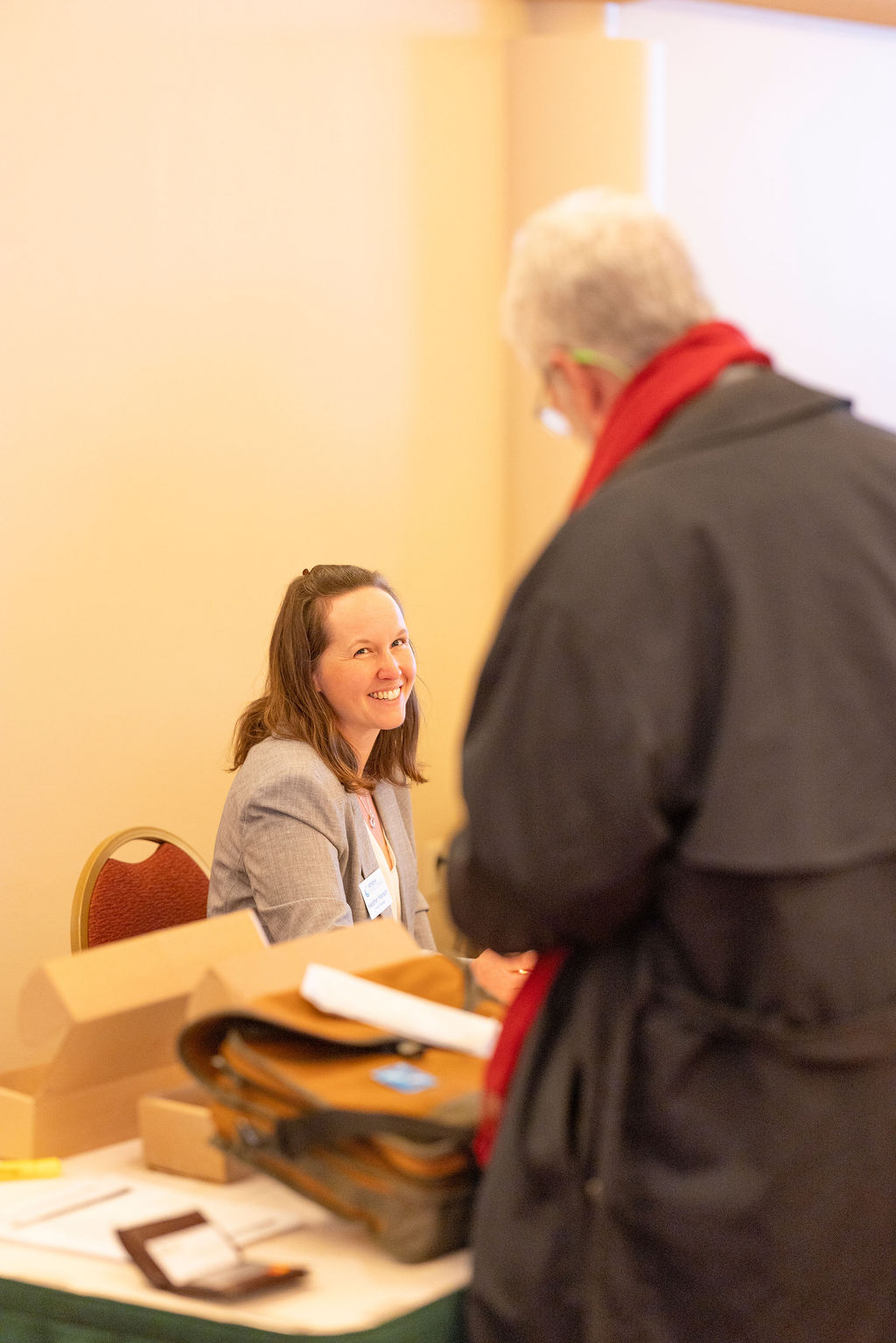
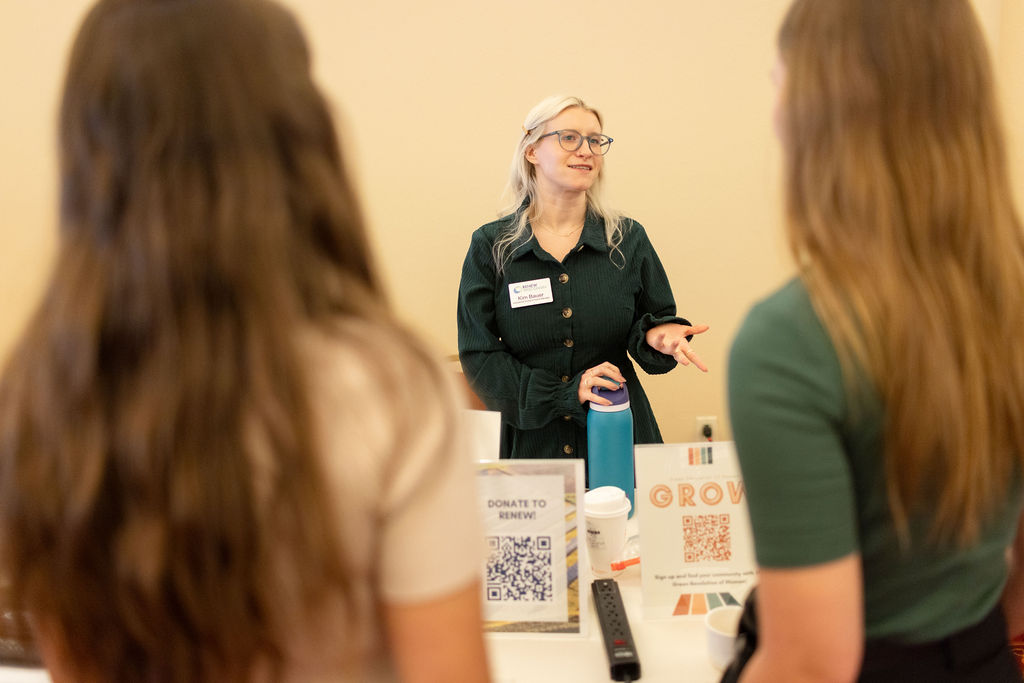
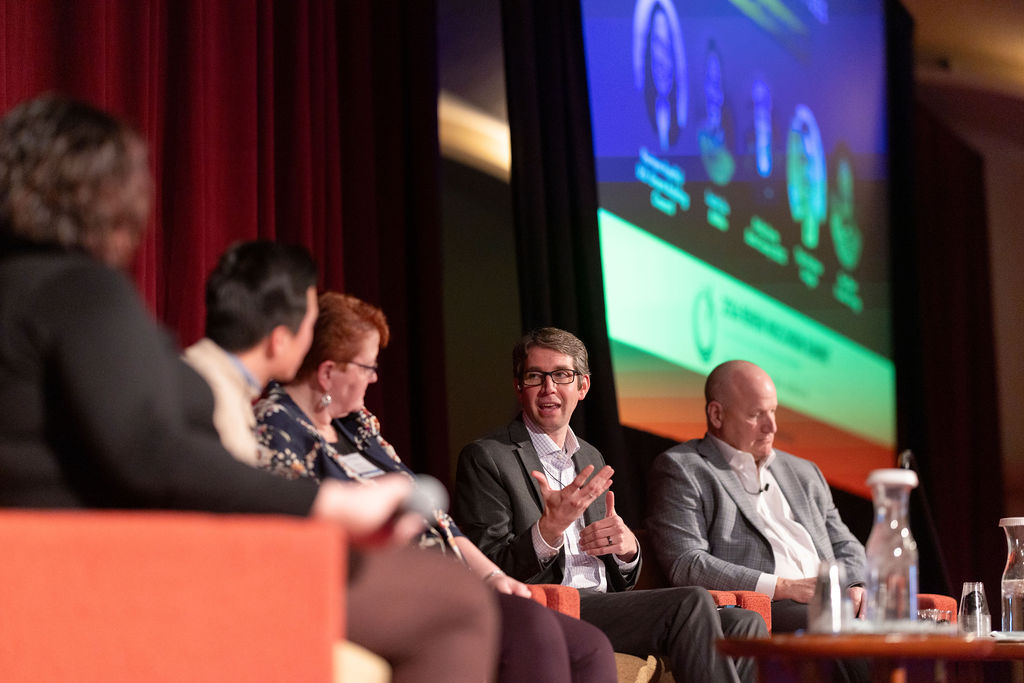
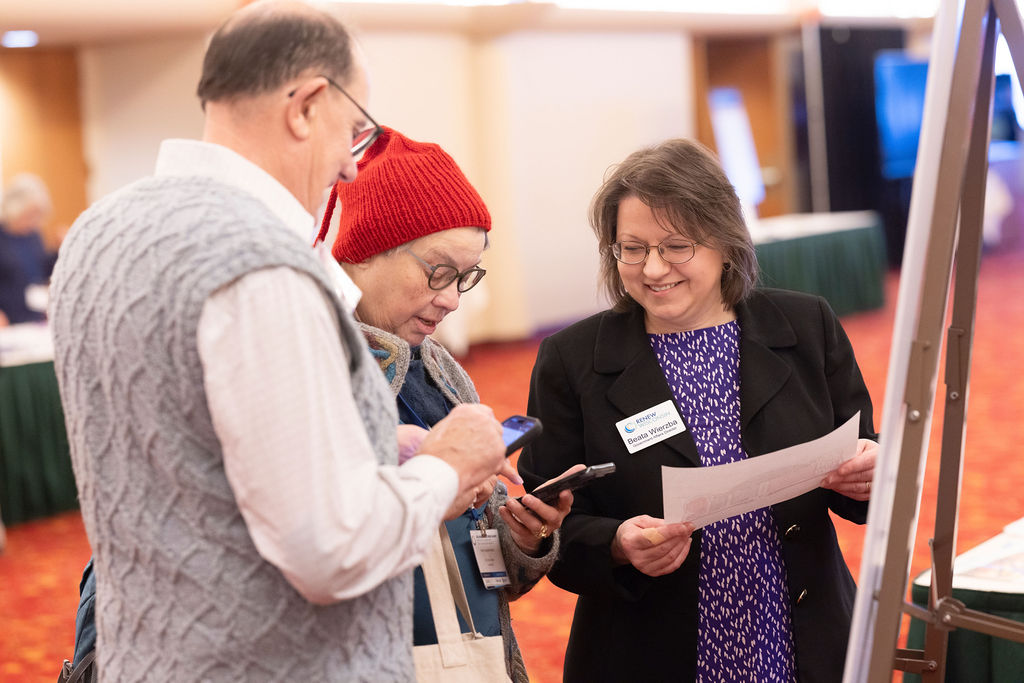
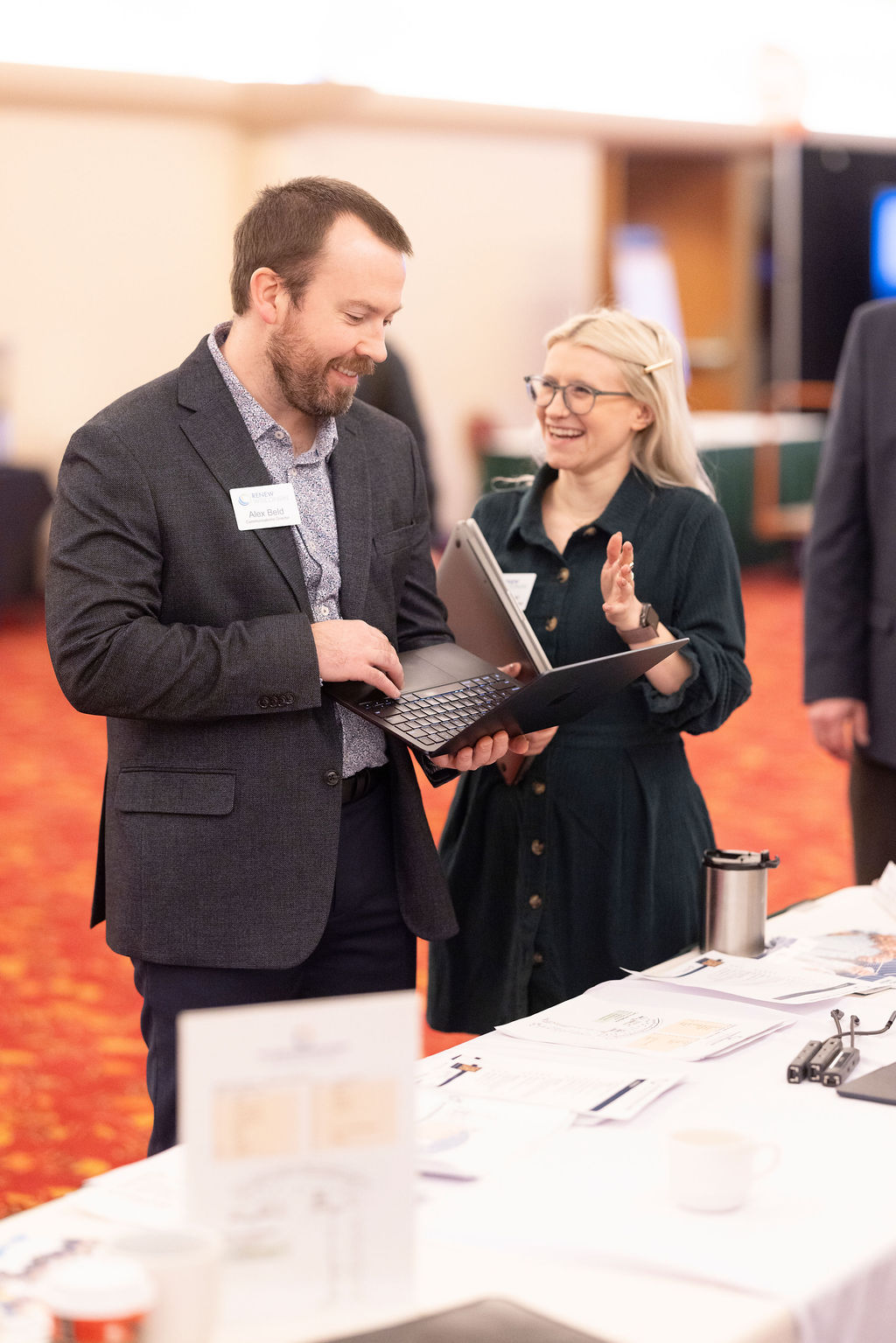
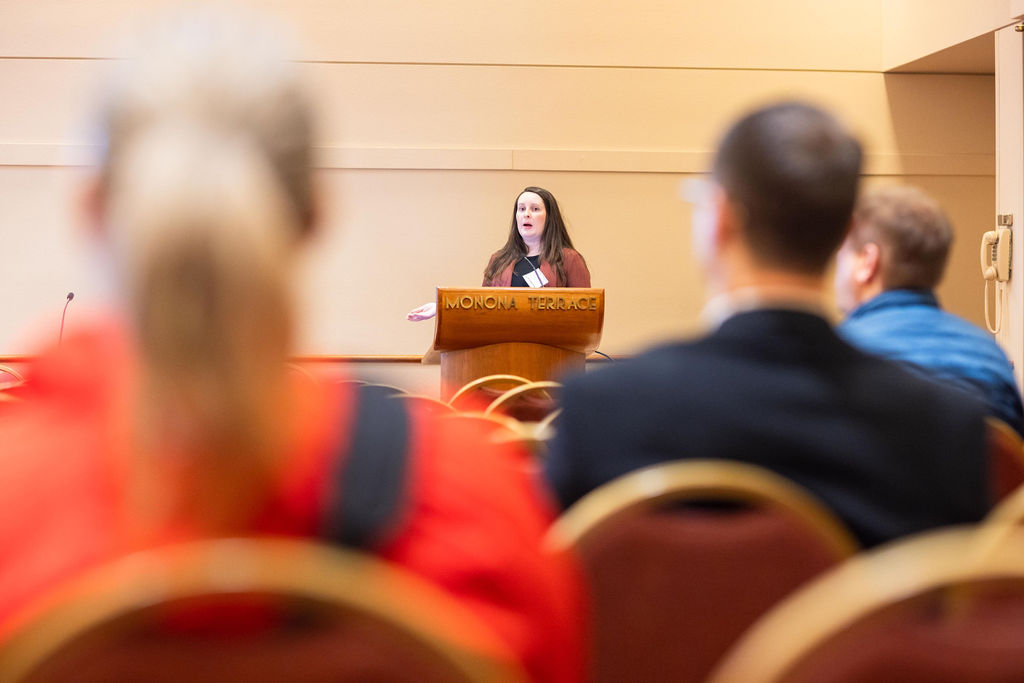
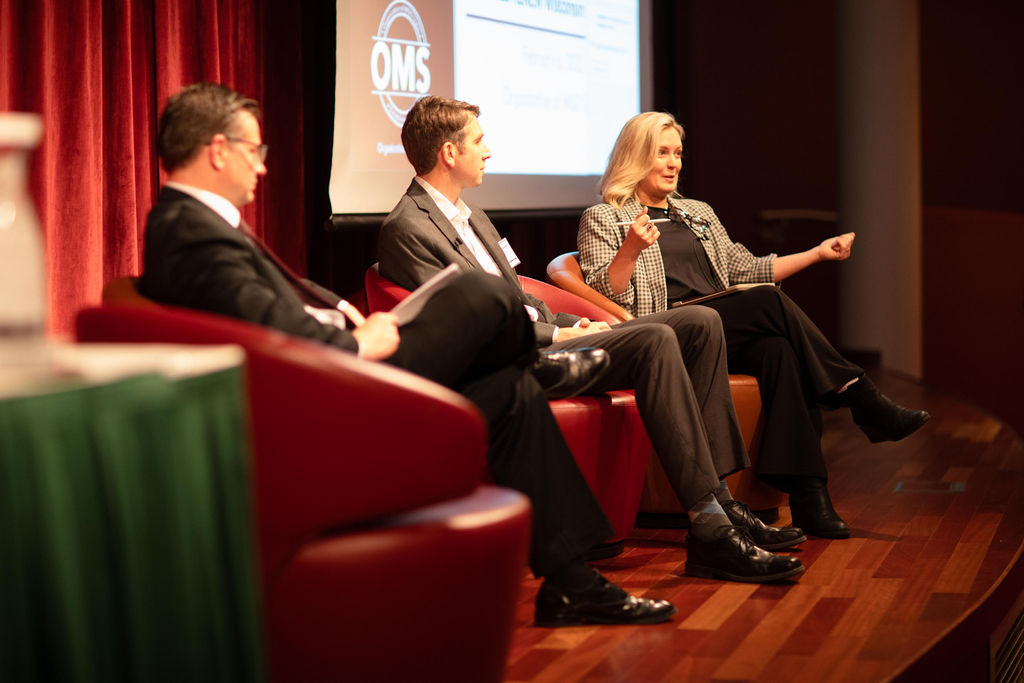
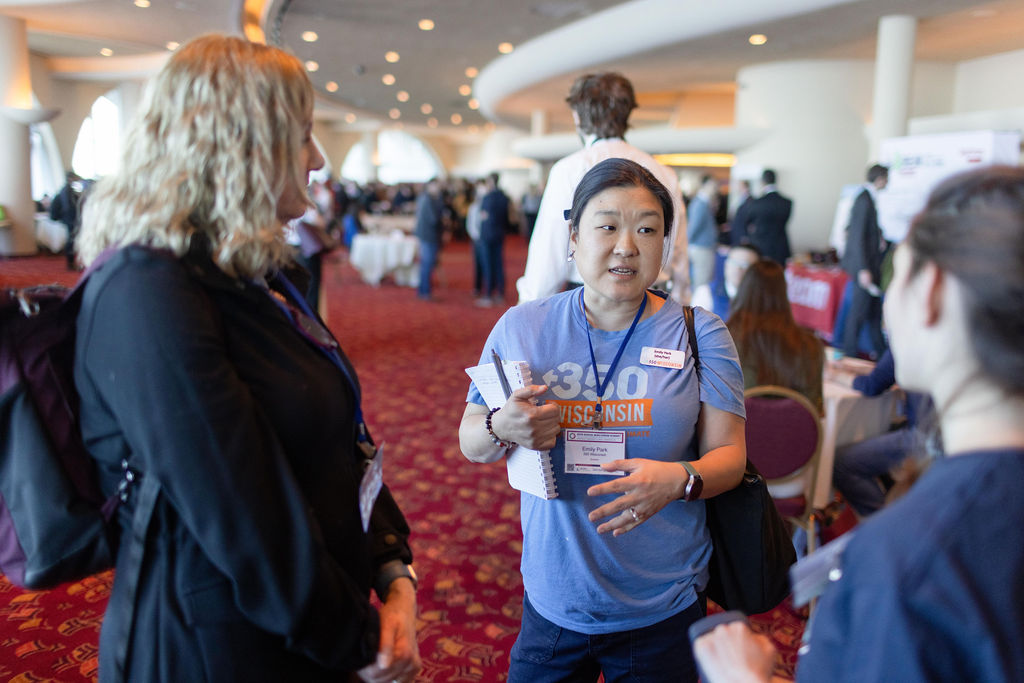
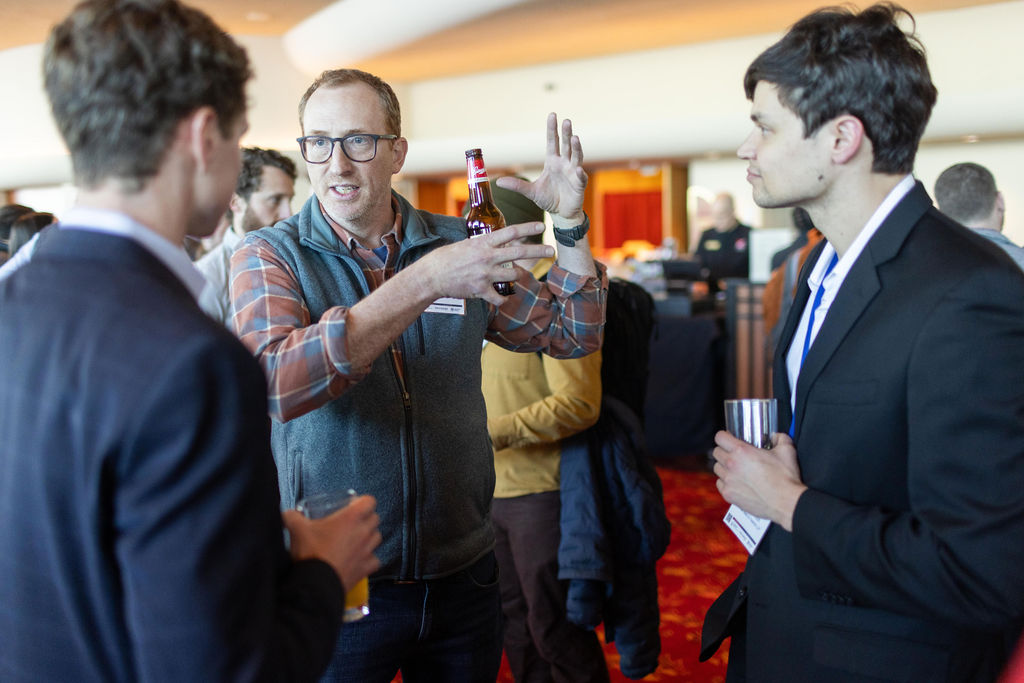
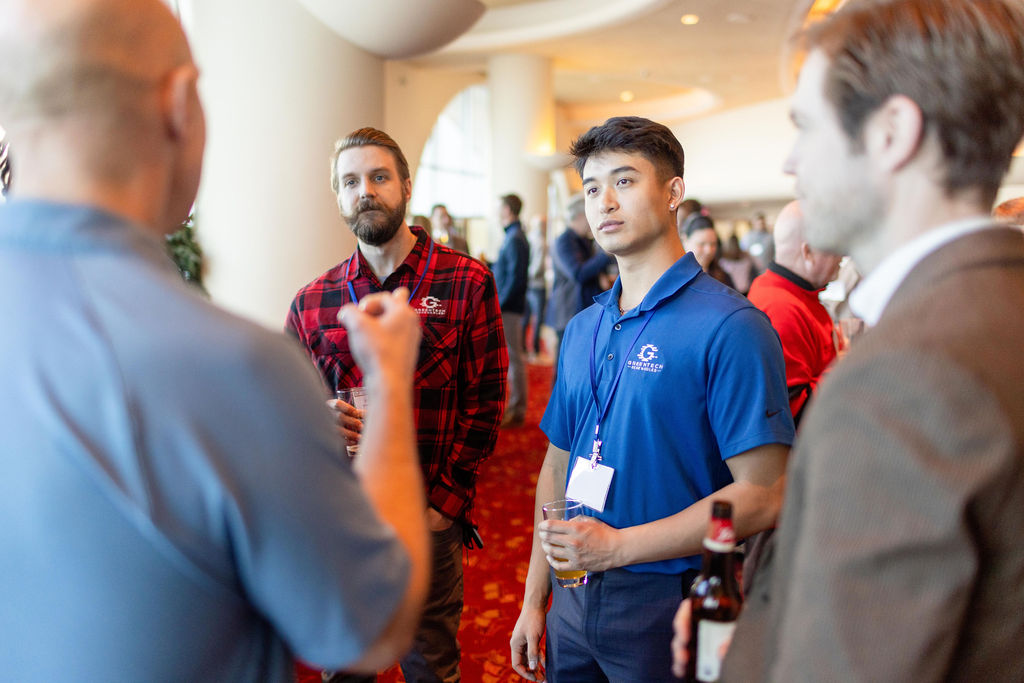
I know I already said “and finally,” but I do have one more thing. Below is a gallery of photos from the event. We know that photos don’t quite do it justice. We promise to have session recordings available within the next couple of weeks. Thanks again to everyone, you all make the yearly effort worth it!

The Urgency of Climate Change and Why Renewable Energy Is Wisconsin’s Path Forward

The Urgency of Climate Change and Why Renewable Energy Is Wisconsin’s Path Forward

Climate change is no longer a distant warning — it is here and it is reshaping our landscapes, weather patterns, and communities. Wisconsin has already begun to feel the effects, through more frequent flooding along our rivers, dangerous heat waves that strain vulnerable populations, and shifting agricultural seasons that threaten one of our state’s proudest traditions – farming. Left unchecked, climate change will accelerate these threats, driving up costs for families and businesses while destabilizing the ecosystems that sustain us.

But there is a solution within reach, and Wisconsin has the opportunity to lead: a rapid transition to renewable energy. We have the tools, we just need to be bold enough to move forward.

The Dangers We Face

Scientists are clear that continued reliance on fossil fuels is driving higher global temperatures. For Wisconsin, that translates to:

  • More volatile weather: Intense storms that damage infrastructure, cause power outages, and threaten public safety.
  • Rising health risks: Air pollution worsens respiratory illnesses, while extreme heat threatens seniors, children, and outdoor workers.
  • Economic disruption: Crop losses from unpredictable seasons, higher insurance premiums due to extreme weather, and costly repairs to public infrastructure.

The longer we delay addressing these dangers, the more expensive and disruptive they become. Every year of inaction compounds the risks and the cost. The good news is that the solution is affordable, efficient, and reliable.

Renewable Energy Is the Key

Wisconsin already has the tools we need to chart a safer, stronger path forward. Wind, solar, bioenergy, geothermal, and hydropower are proven, affordable, and increasingly accessible. Transitioning to renewable energy addresses climate change head-on while delivering real, local benefits:

  • Cleaner air and healthier communities by reducing emissions from coal and gas.
  • Energy independence — when we produce energy in Wisconsin, it keeps our energy dollars here at home instead of sending them out of state for fossil fuels.
  • Strong local economies through job creation in construction, manufacturing, installation, and maintenance — industries that can’t be outsourced.
  • Stable energy costs because renewable resources, unlike fossil fuels, aren’t subject to global market swings.

Every new solar array on a school, every wind turbine in a farm field, and every biogas digester on a dairy farm reduces our reliance on polluting fuels while building a more resilient local economy.

Wisconsin’s Opportunity

Our state is uniquely positioned to lead. With strong agricultural roots, an innovative workforce, and communities that value stewardship, Wisconsin can demonstrate how clean energy strengthens both economy and environment. RENEW Wisconsin is working every day to expand renewable projects across the state — partnering with businesses, schools, tribes, farmers, and local governments to accelerate the transition.

But the pace matters. To safeguard our children’s future, we must move faster. This means modernizing policies, supporting community solar, expanding access to financing, and ensuring equity so that every family can share in the benefits of clean energy.

A Call to Action

Climate change is the defining challenge of our generation. But it is also the greatest opportunity to reimagine how Wisconsin powers itself — cleaner, stronger, and more resilient. By choosing renewable energy today, we protect our communities, create thousands of good-paying jobs, and preserve the natural heritage we hold dear.

The dangers of climate change are real, but the solution is in our hands. Join RENEW Wisconsin and help us win this fight. Together, we can build a safer and more prosperous Wisconsin powered by clean, renewable energy.

The Results of Our 2025 Board of Directors Election Are In!

The Results of Our 2025 Board of Directors Election Are In!

Thank you to all members who voted in our 2025 Board of Directors Election. RENEW Wisconsin’s Board of Directors plays an important role in setting the strategic vision for the organization. All dues-supporting members of RENEW Wisconsin were invited to vote in this year’s Board of Directors election.

This year’s election results include three incumbent board members, Josh Arnold, Mike Barnett, and Lauren Reeg, along with two newly elected board members, Eric Callisto and Mackenzie Mindel. All will soon begin a three-year term, helping us advance renewable energy in Wisconsin.

MEET OUR NEWLY ELECTED BOARD MEMBERS

Eric Callisto

Eric Callisto is an experienced energy regulatory expert with over fifteen years of work in the clean and regulated energy and utility space. He most recently served as a lead partner in the energy practice of a large law firm and previously held key leadership roles as Commissioner, Chairperson, and Chief Operating Officer of the Public Service Commission of Wisconsin (PSC).

Eric is known for his deep expertise in renewable energy, water, and environmental matters, particularly in the regulation and siting of large-scale projects at the state and local levels. He has represented clients before state public utility commissions, environmental regulators, local utility districts, the Federal Energy Regulatory Commission (FERC), and Regional Transmission Organizations (RTOs), helping secure approval for thousands of megawatts of renewable energy in Wisconsin.

During his time at the PSC, he advanced critical infrastructure projects such as large-scale transmission and wind, and played a key role in shaping energy policy, including expanding the renewable portfolio standard, increasing energy efficiency funding, developing wind siting rules, and addressing climate change.

He has testified before the Wisconsin Legislature and FERC, lobbied Congress on energy legislation, and served as the PSC’s primary liaison to legislators, ratepayer advocates, and environmental groups. Earlier in his career, he served as Assistant Legal Counsel to the Governor of Wisconsin, Assistant Attorney General at the Wisconsin Department of Justice, and Environmental Protection Specialist at the U.S. EPA. He currently serves on the Madison Water Utility Board.

Mackenzie Mindel

“I’m thrilled to join the RENEW Board to support our excellent staff in achieving RENEW’s goals. I look forward to leveraging my perspective as an elected official and my professional experience supporting local governments around the world to further enhance and support RENEW’s mission.”

Mackenzie lives in La Crosse, Wisconsin, with her husband and two young children. She earned her Master of Arts in Social Innovation and Sustainability Leadership from Edgewood College in Madison in 2018. Elected to the La Crosse Common Council in 2021 and re-elected in 2025, she currently serves as chair of both the Judiciary & Administration Committee and the Climate Action Plan Steering Committee.

Mackenzie co-led the development of the City’s first Climate Action Plan, adopted in 2023, as well as the School District of La Crosse’s first Climate Action Plan, completed in early 2025. Outside of elected office, she is a Fellow with the U.S. Green Building Council’s Local Government Leadership Program, where she supports local governments, both in the U.S. and internationally, in advancing their climate action goals and engaging in federal, state, and local policy advocacy.

She has also served two multi-year terms on Wisconsin-based nonprofit boards, helped lead a multi-year capital campaign, and directed a multi-million-dollar fundraising program as a Director of Development for a statewide nonprofit.

RENEW BOARD OF DIRECTORS

Josh Arnold • Madison, WI
Mike Barnett • Madison, WI
Eric Callisto • Madison, WI
Mike Cornell • Hartland, WI
Samara Hamze • Stevens Point, WI
Tonyisha Harris • Chicago, IL
Alicia Leinberger • Viroqua, WI
Mariah Lynne • Albert Lea, MN
Mackenzie Mindel • La Crosse, WI
Isaiah Ness • Milwaukee, WI
Lauren Reeg • Boulder, CO
Josh Stolzenburg • Wausau, WI
Michael Troge • Seymour, WI
Michael Vickerman • Madison, WI
Ken Walz • Madison, WI

Don Wichert (DIRECTOR EMERITUS/Lifetime/Non-voting) • Madison, WI

Thanks again to all of our members who participated in the election and used your voice to help shape RENEW’s future! And thank you to all candidates who offered their expertise and time to help our organization grow and thrive.

2025 RENEW Wisconsin Summit Recap!

2025 RENEW Wisconsin Summit Recap!

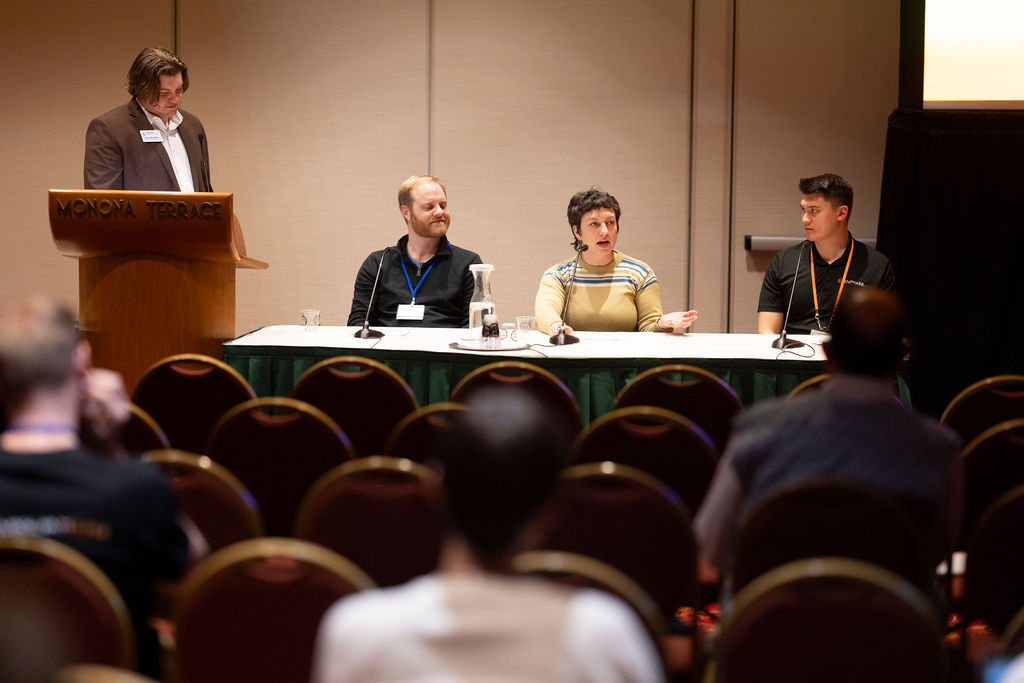
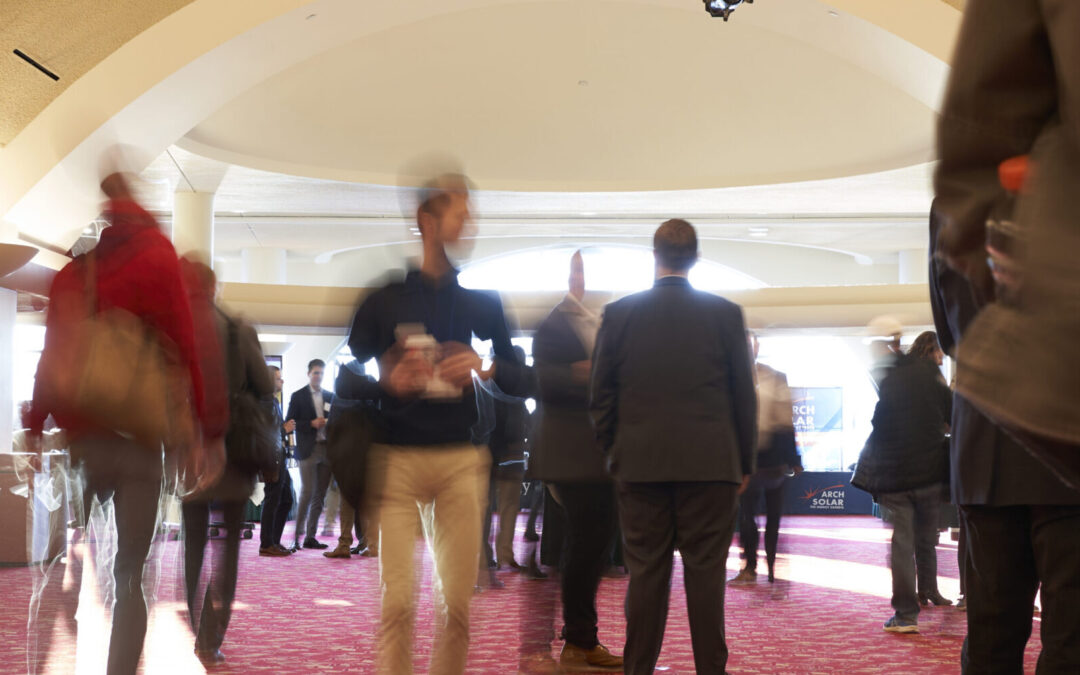
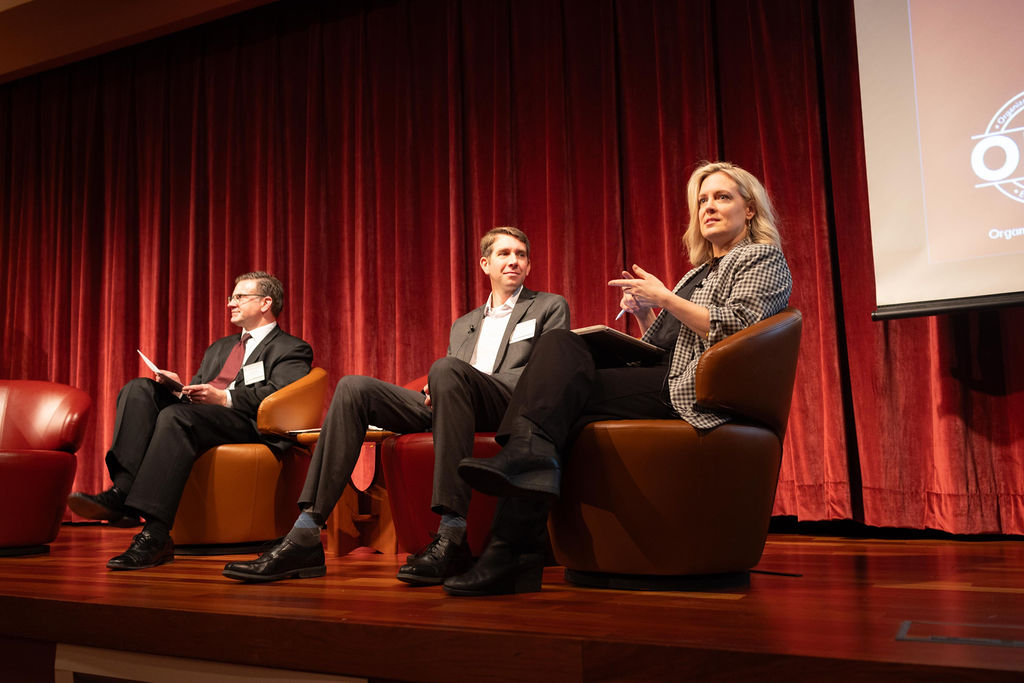
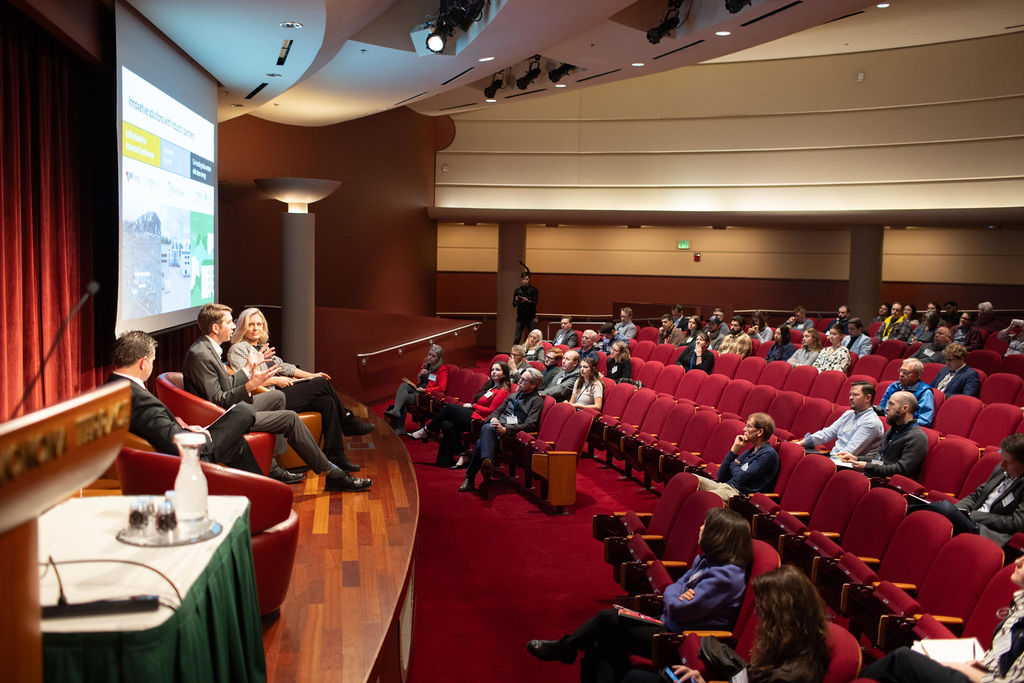
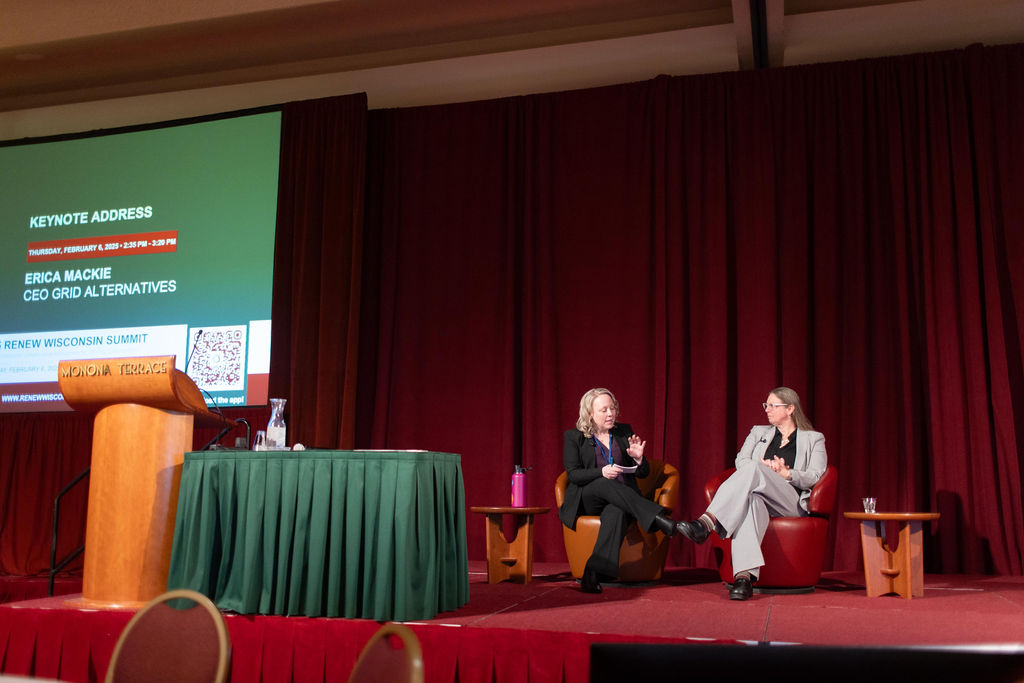
On Thursday, February 6, RENEW held our 14th annual Renewable Energy Summit, presented by Invenergy and Dimension Energy. More than 850 Attendees from across Wisconsin, the Midwest, and even around the globe joined us to discuss state policy, develop professionally, and explore how clean energy is empowering Wisconsin communities.

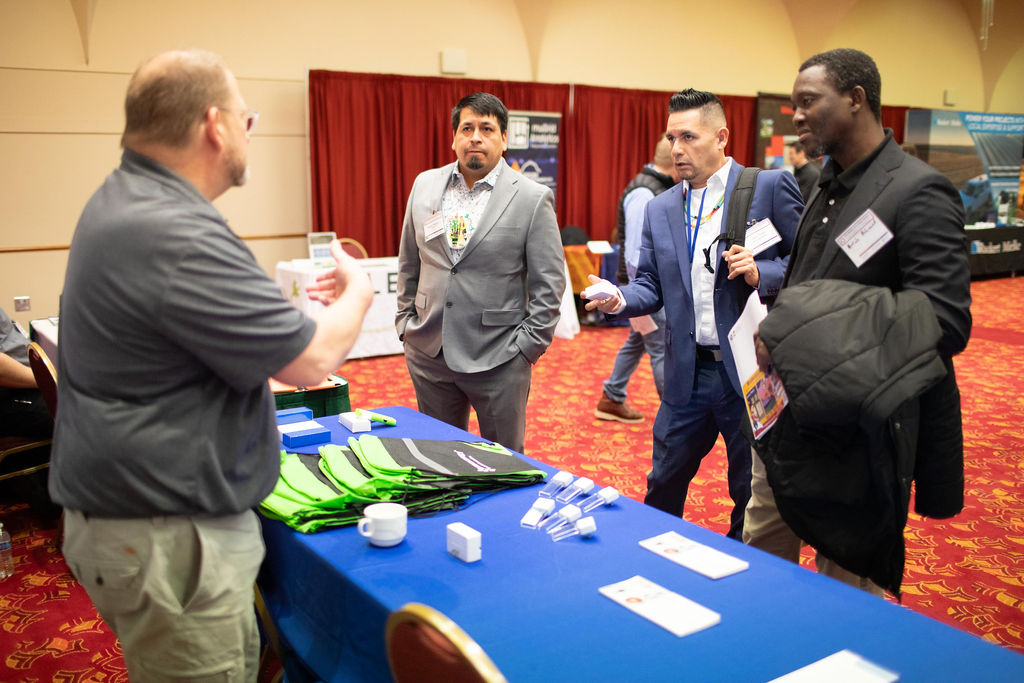
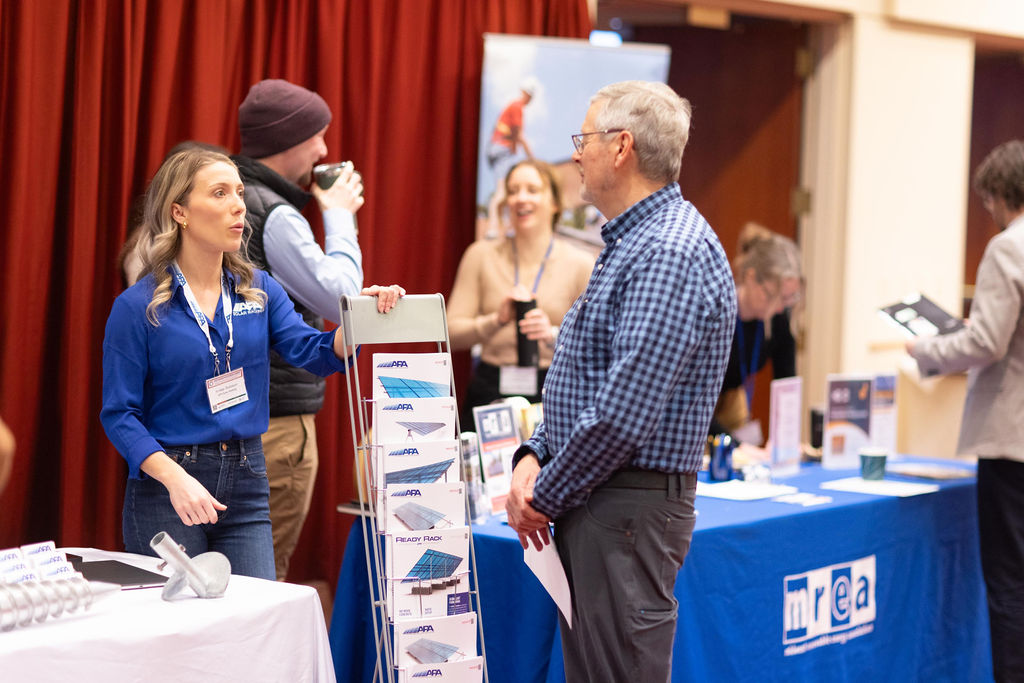
Not only was this our first Summit that exceeded 800 attendees, but it was also our first time hosting the Energy Pro Demo Day Presented by MREA! Demo Day featured renewable energy education sessions, insights into the latest clean energy technology, NABCEP continuing education credit opportunities, and networking opportunities with top brands and clean energy experts. We are proud to have been able to partner with MREA to add this programming to the Summit. We believe that one of the best ways to ensure a smooth transition to clean energy is to grow and foster the talented workforce that resides in our communities across Wisconsin.

And that’s what the Summit was all about this year, our community. In the year ahead we are looking forward to strengthening and growing the renewable energy community. By maintaining our connections with each other we can use our collective voice to shape our future. This year we had many inspiring speakers who exemplified the spirit of community-focused advocacy for renewable energy.

This year we heard about:

  • Innovative clean energy technologies and their real-world applications
  • Policy frameworks that support sustainable development and community resilience
  • Successful case studies of cross-sector collaborations
  • Strategies for ensuring inclusivity and economic equity in the clean energy transition
  • Best practices for public engagement and advocacy

We were also joined by the likes of our keynote Erica Mackie, and State Senator Jeff Smith. Erica shared insights on a slew of topics from energy equity and workforce development to collaboration with Tribal Nations and federal policy. Senator Smith closed out the day’s events with a forward-looking message on the renewable energy landscape for Wisconsin and the clean energy industry. Thanks to Erica, Jeff, and everyone else who was either joining us for the first time or the 14th time. It’s your participation that makes this event so impactful.

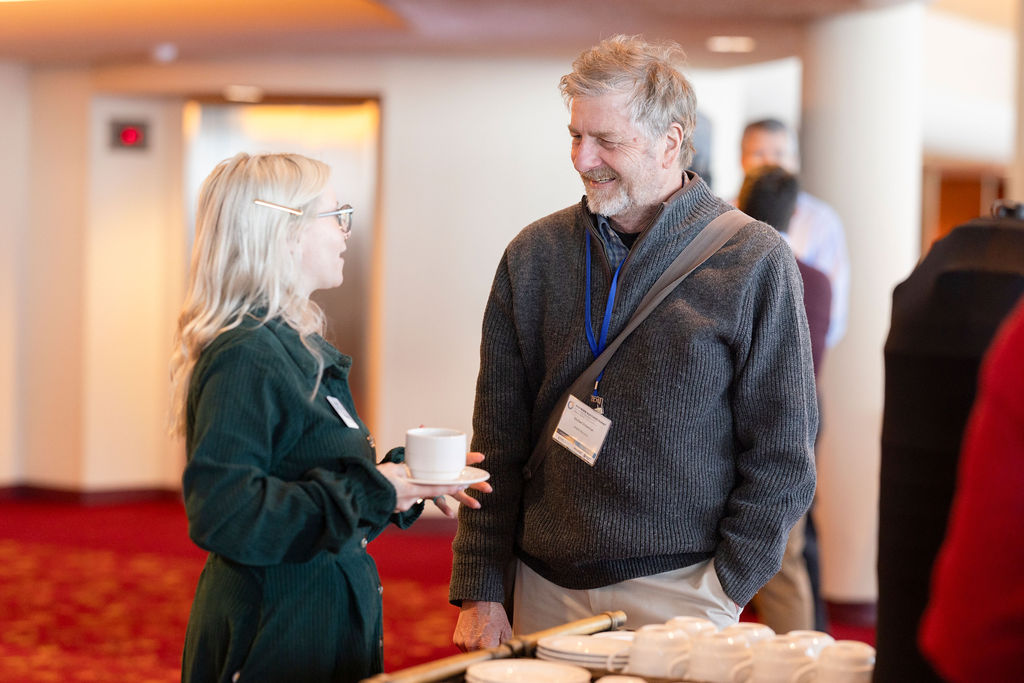
Beyond the many thoughtful breakouts and inspirational stories we heard, attendees also had many opportunities to catch up with other industry leaders, make new connections, and even find opportunities to help each other find ways to complete their renewable energy goals. As we wrap up another successful Summit, we encourage all of our attendees to keep in touch with us and everyone else they had the chance to connect with this year. Our community has the momentum and the know-how needed to reach our goal of a Wisconsin that runs on clean, reliable energy. Thanks to everyone for joining us this year to share your expertise, enthusiasm, and energy. We can’t wait to do it again in 2026!

Executive Insights November 2024

Executive Insights November 2024

November might be my favorite month of the year. I realize I might be alone in this feeling, given the loss of vegetation, warmth, and daylight, but it’s genuinely my favorite time of year. I love November because it’s a time for gearing up for bigger things. It’s prepping for the long, cold months of December, January, and February. It’s prepping for the hustle and bustle of the holiday season. As a former meteorologist, I always take delight in watching the weather actively turn from fall to winter. In many ways, November is literally the calm before the storm! 

The RENEW team is also gearing up for big things on the horizon. A brand-new state legislature will greet us in 2025, we’re expecting even more renewable energy activity at the Public Service Commission, and we’re prepping for our 14th annual Renewable Energy Summit in February. Thanks to our great staff and members, the Summit has continually grown since 2020, and we expect 2025 to be our biggest -and best- Summit yet!

November is also a time to show thanks and gratitude. A few weeks ago, we launched our Rural Gratitude campaign, to acknowledge the commitment rural Wisconsin communities are making for our energy transition. We often talk about the tangible benefits these projects have for Wisconsin, but we rarely stop to acknowledge our appreciation for the communities that host these projects. Change can be scary for anyone and rural landscapes will most likely experience the most noticeable changes as we transition to clean energy.

There is uncertainty in many parts of our world right now, but it’s important to focus on what we do know and what we can control. Clean energy has enormous momentum, it’s widely popular across political and demographic spectrums, and it’s the right choice for Wisconsin. At RENEW we remain very excited for what’s to come.


Sam Dunaiski
Executive Director