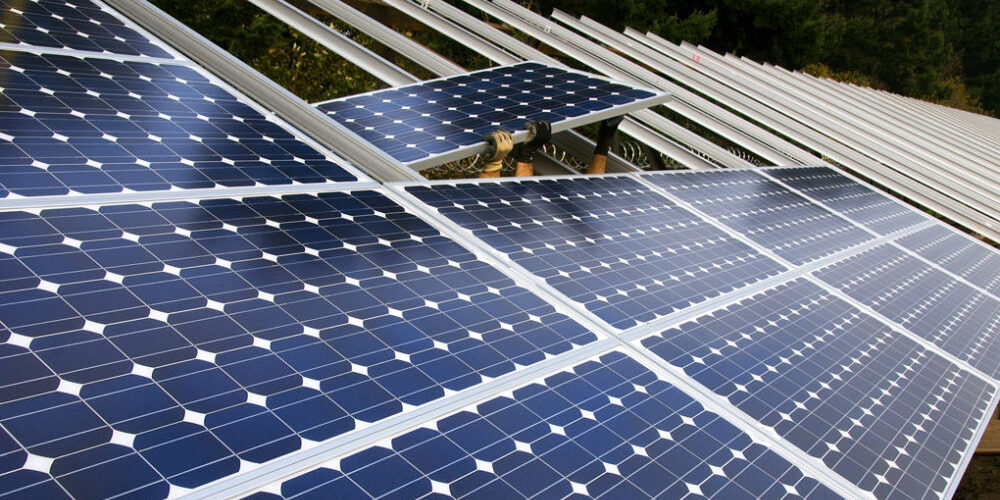
About That Hail and Your Solar Panels

About That Hail and Your Solar Panels

April has been a rough month for much of Wisconsin. Hail, high winds, tornadoes, and heavy rain have rolled through the state, causing real damage. Here in Madison, the storm on April 14 brought baseball-sized hail, almost three inches across!

Other parts of central and southern Wisconsin got even bigger stones. Cars were dented. Roofs were torn up. Siding was cracked. Power poles came down. And yes, some solar panels broke too.

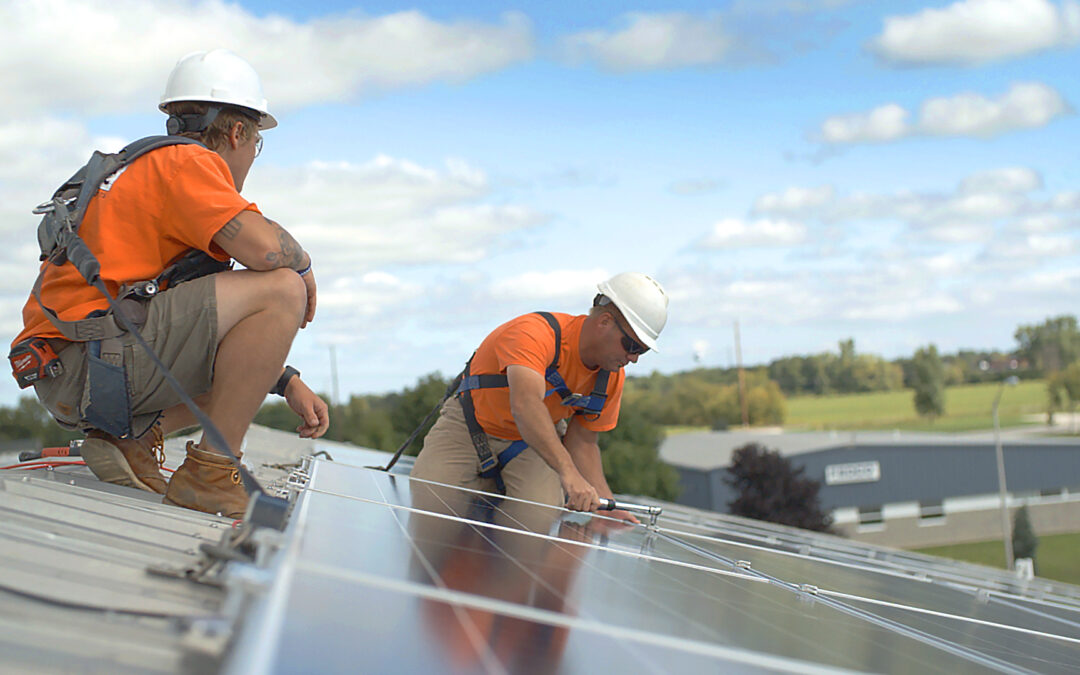
That’s the reality of weather like this. Extreme storms damage what’s in their path, and almost nothing on the outside of a home gets a free pass when hail comes down at that size. If your panels took a hit, they may need to be repaired or replaced. That’s not great news, but it’s also not the end of the world.

If you were thinking about going solar before the storms rolled through, the storms shouldn’t change the math on that decision. The path forward, whether you’re repairing a system or building one for the first time, looks a lot like dealing with any other part of your home.

How to Get Your System Back Up and Running

When panels get damaged in a storm like this, the fix looks a lot like dealing with hail damage to your roof or siding. The process moves through a few clear steps.

Contact Your Homeowner’s Insurance and Your Installer

Both should know what happened as soon as possible. Your installer works directly with the insurance company on your behalf from there. They document the damage, walk the adjuster through what they’re seeing, and handle the repair, replacement, and reinstall. The homeowner isn’t navigating it alone.

Know Your Coverage Before a Storm Hits

Most standard homeowner’s policies cover rooftop solar under the dwelling section, but it’s worth confirming that hail and wind are listed as covered perils and that your coverage limit reflects what your system is actually worth. Some policies in hail-prone areas carry separate wind and hail deductibles, and ground-mounted systems sometimes need a separate rider, so it helps to know what your specific policy says before you need to use it.

The Rest of the System Is Built To Make This Manageable

Manufacturers test their panels to real standards. Installers know how to work with insurance companies. Each part does its job so that when something does go wrong, the path forward is clear.

Your installer can also help you sort out what’s covered by equipment warranties versus insurance, and show you how to use your monitoring app to confirm the system is performing normally after repairs.

What Hail Does to a Panel

Knowing what kind of damage you’re looking at helps you follow along when your installer comes out for an inspection.

  • Visible damage is less common than people expect, but also the most obvious when it happens. Cracks, chips, or spiderwebbed glass that you can spot from the ground. The tempered glass on top of a panel is built to take a hit, which is why this kind of damage usually only shows up in the more extreme storms. Worth noting too: when a panel does break, the glass stays contained inside the panel. Solar panels are sealed between layers of plastic and held together by an aluminum frame, so cracks don’t send glass flying across your yard or your neighbor’s.
  • Hidden microcracks are the ones experts worry about more. These are microscopic fractures inside the solar cells that might not affect performance right away, but can spread over time the same way a small chip in a windshield can grow into a longer crack. Left unchecked, microcracks can gradually reduce efficiency and create hot spots inside the panel. That’s why post-storm inspections matter even when a system seems to be running fine. 
  • Cell and busbar damage happens beneath the surface when hail’s impact energy transfers through the glass. The busbars are the thin metal strips that carry electricity across the panel. Modern panels use many ultra-thin busbars or wires per cell, often well into double digits, which helps keep current flowing even if part of a cell takes a hit.

A cracked panel will usually still generate electricity at reduced output. If it needs to be replaced, it should be replaced. If it’s still performing within spec, it can keep running. The key is having someone qualified take a look so you know what you’re working with.

A Quick Note on the Testing

Quality solar panels are built to two main standards that work together.

  • IEC 61215 is the performance and durability standard set by the International Electrotechnical Commission. It covers how a panel holds up against weather, including the hail impact testing, where technicians fire ice balls at panels using compressed air cannons. The basic test uses one-inch ice balls at high speeds, and many panels are tested even further against ice balls up to three inches across at speeds up to 88 miles per hour. To pass, the panel has to keep producing power within spec after the impact.
  • UL 61730 is the safety standard set by Underwriters Laboratories, which covers electrical safety, fire resistance, and structural integrity. Together, they tell you a panel can take the weather and stay safe doing it.

The Bigger Picture

Everything on the outside of your home already takes a beating from Wisconsin weather. Your roof, your siding, your windows, and the AC unit out back. None of that has stopped anyone from owning a home. You carry insurance for a reason, and when something breaks, you call somebody who knows how to fix it. Solar panels are no different than anything else on your house in that respect.

April has been hard on Wisconsin, no question about it. But the things people depend on after a storm have shown up. Insurance is paying out. Installers are out doing the work. Hail and wind can damage panels. That’s true. What matters is having the right people in your corner and the right coverage in place when it happens. A solid installer and the right insurance policy take care of that.
PSC’s Preliminary Decision: Data Centers Will Cover Their Costs

PSC’s Preliminary Decision: Data Centers Will Cover Their Costs

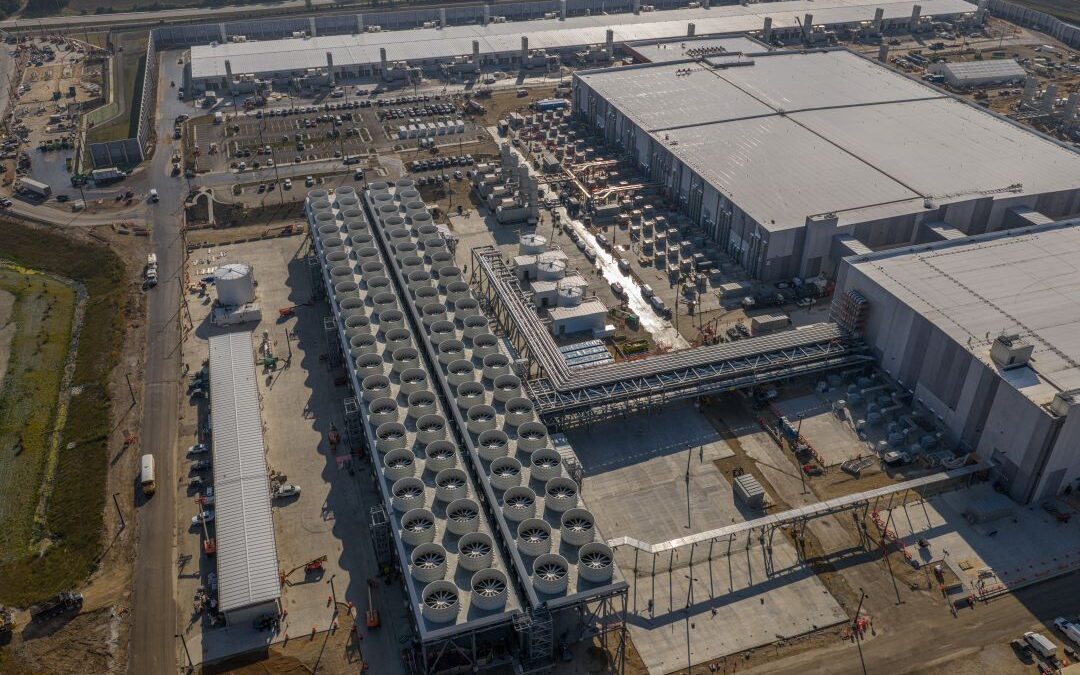
Last Friday, April 24, the Public Service Commission of Wisconsin (PSC) unanimously approved an electricity rate plan for data centers and other “Very Large Customers” (VLC) in We Energies’ service territory. This decision will protect Wisconsinites from shouldering the financial burden of the energy and infrastructure costs associated with data centers.

RENEW Wisconsin submitted comments in support of this decision to protect Wisconsin ratepayers. We also asked the PSC to include considerations such as energy efficiency and renewable energy in their decision-making process. Meaning these corporations with massive financial means should, at the very least, be investing in building and operational efficiency, while also signing contracts with utility-scale solar projects.

We also highlighted the importance of these large corporations sticking to their own sustainability goals and how, through their vast access to capital, they could incorporate emerging or cutting-edge renewable energy resources to mitigate their contributions to climate change.

As our Policy Director, Andrew Kell, said in his comments to the PSC, “Data centers have adequate resources to become key innovators and provide the ‘technology push’ and ‘demand pull’ required for these programs, technologies, and infrastructure to scale up and flourish.”

While we don’t have guarantees that data centers will lead the charge on innovation as it relates to renewables, we do at least have a strong indication that the PSC will continue to protect ratepayers in future proceedings related to data centers.

“The decisions we’re making here today will not be limited to this docket,” said PSC Commissioner Kristy Nieto. “They will shape future proceedings, future investments, and the trajectory of the utility system itself.”

The PSC also determined that the energy demand threshold for a VLC to qualify for this rate structure should be reduced from 500 megawatts (MW) to 100 MW, the level at which new energy generation projects typically require PSC approval. The PSC also made it mandatory for eligible VLCs to subscribe.

VLCs will also need to fund and subscribe to portions of multiple new power generation projects, or entire projects, as they will be the driver of much of the state’s new energy demand.

We are still waiting for the final written order for this decision, but we are glad that PSC’s preliminary decisions align with what many public comments submitted stated, which is that data centers must pay the full costs of the energy and infrastructure they require.

As data center development progresses, RENEW aims to collaborate with data centers and strongly encourage them to drive and fully pay for cutting-edge clean energy resources. If data centers do in fact strive to incorporate into communities, they should help to ensure that we can create a sustainable, zero-carbon future.

Earth Day: Celebrating the Place We Call Home

Earth Day: Celebrating the Place We Call Home

Our shared home and all of its inhabitants deserve protection. It’s been said many times before, but it deserves repeating—we only have the one Earth.

For the last 35 years, supporters like you have helped us lead the charge as we fight to create a future powered by renewable energy. In that time, we’ve made a lot of progress and continue to expand our efforts to end our reliance on fossil fuels and combat climate change.

In 2025 our efforts to support renewables resulted in:

  • 5.6 million megawatt hours of renewable energy generated
  • 9 billion pounds of carbon emissions avoided
  • 560,000 homes powered by renewable energy

We also helped 25 nonprofit organizations go solar through our Solar for Good grant program. This year, we’re looking to do even more to bring the benefits of renewable energy to every corner of Wisconsin.

In 2026 we have already:

  • Supported two utility-scale solar projects
  • Supported one utility-scale wind project
  • Highlighted the value of clean energy jobs
  • Advocated for data center legislation that protects Wisconsinites
  • And Hosted our Annual Summit!

We’ve also seen three new utility-scale renewable projects get approved by the Public Service Commission of Wisconsin! Each of these wins brings us one step closer to our goal of creating a healthy climate and an economy we can afford. And there’s so much more we hope to achieve. It is, after all, still spring. By winter, we hope our list of achievements has gotten much longer. Together, we can make it happen!

2026 RENEW Wisconsin Summit Recap

2026 RENEW Wisconsin Summit Recap

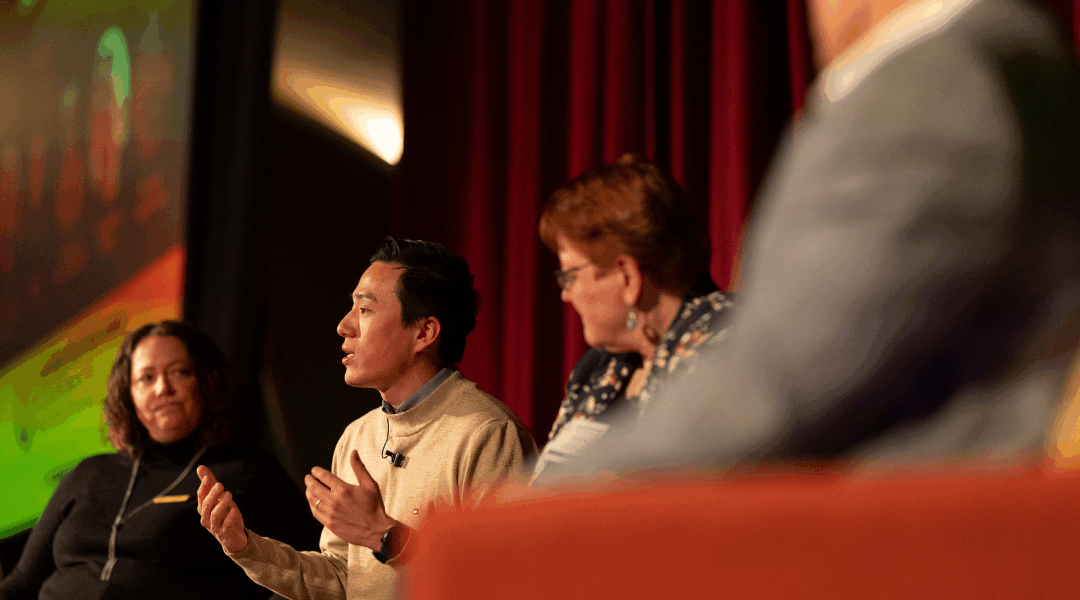
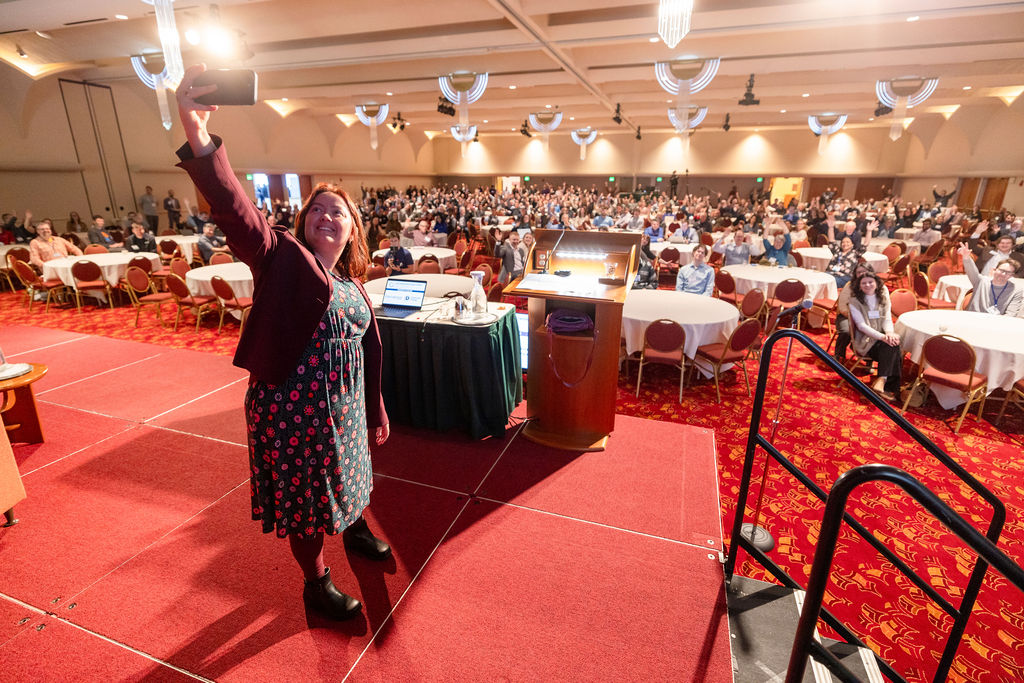
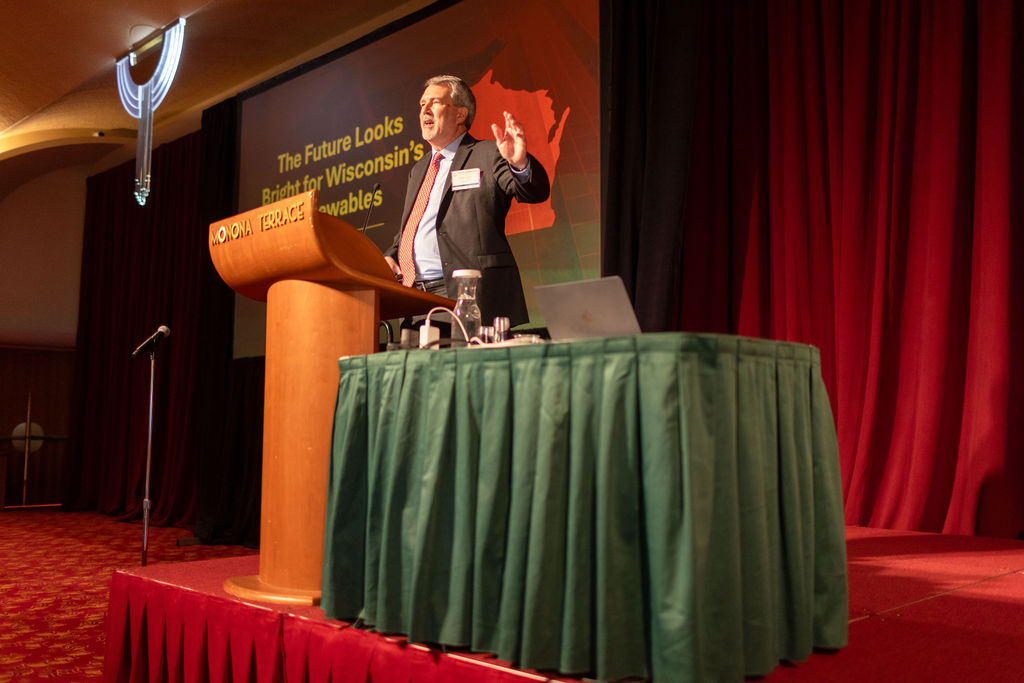
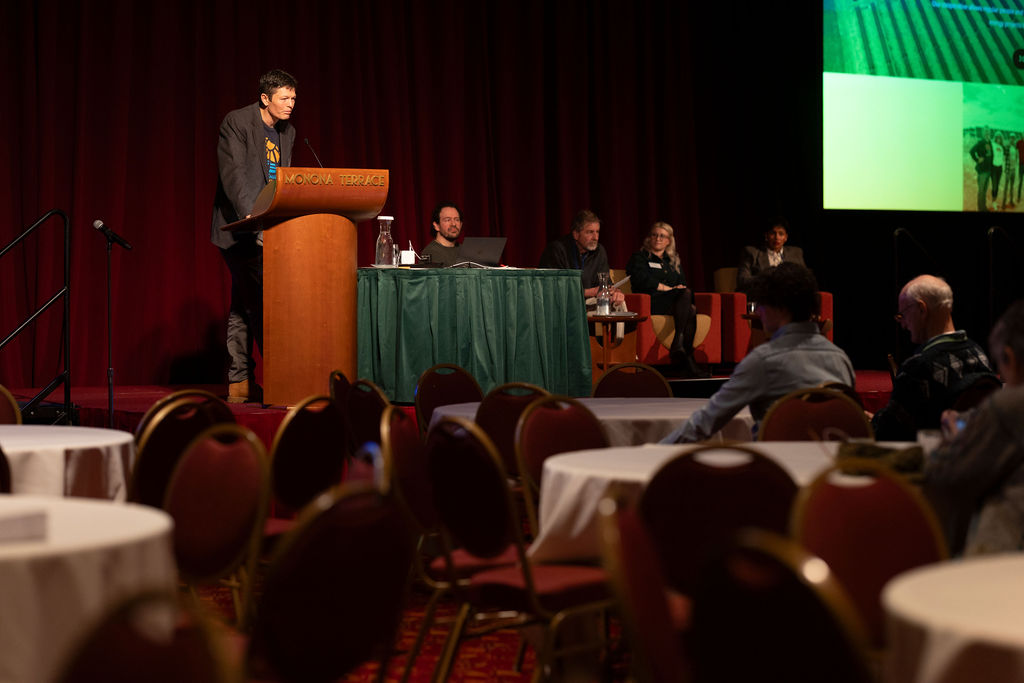
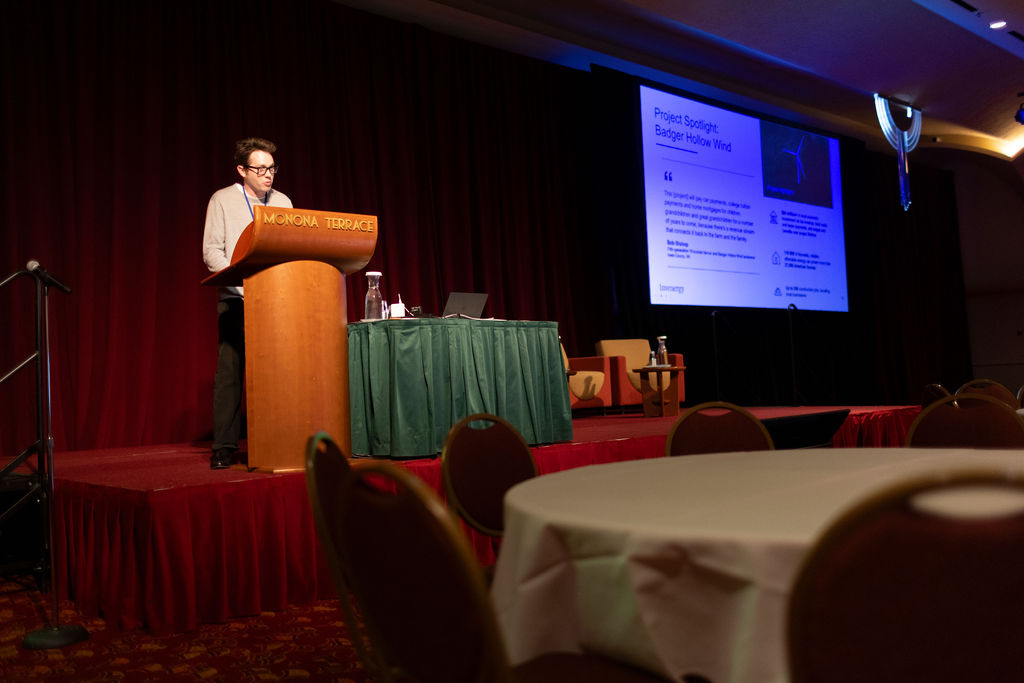
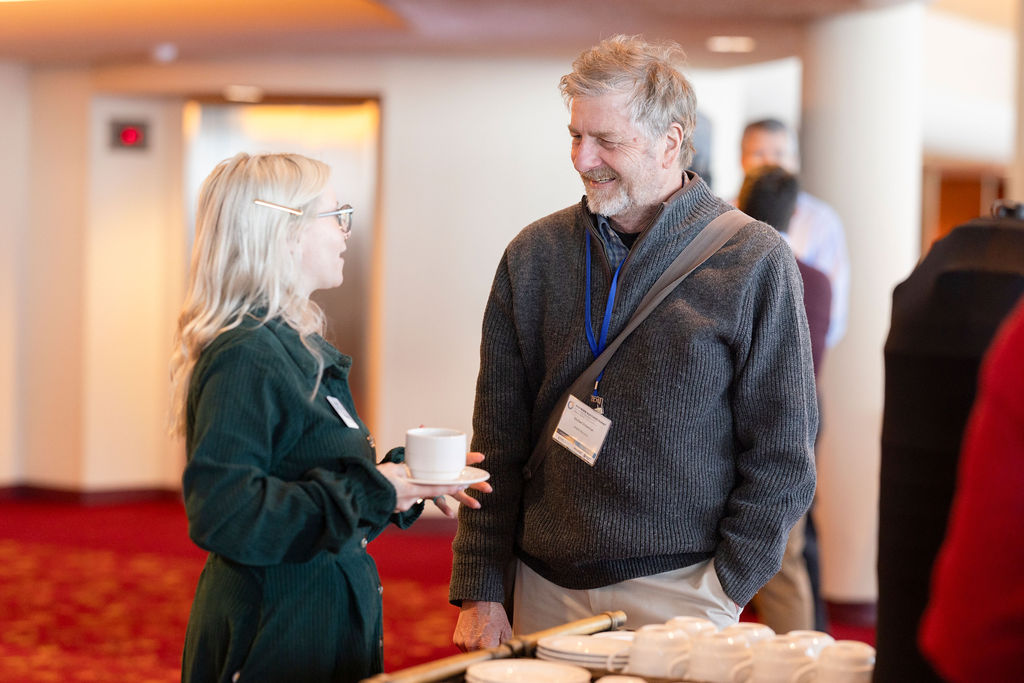
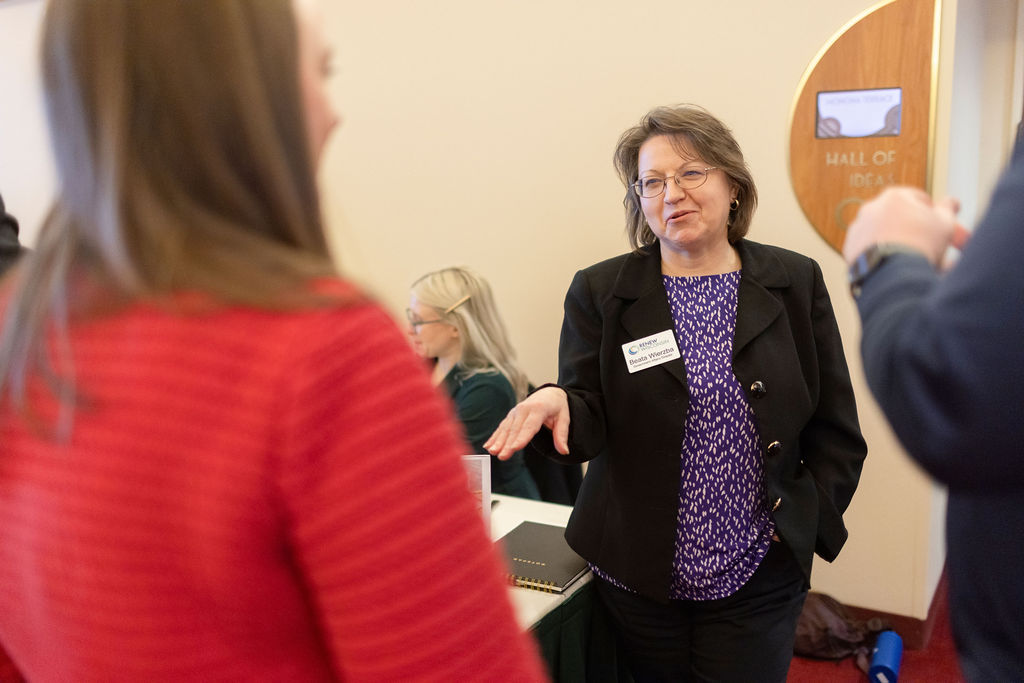
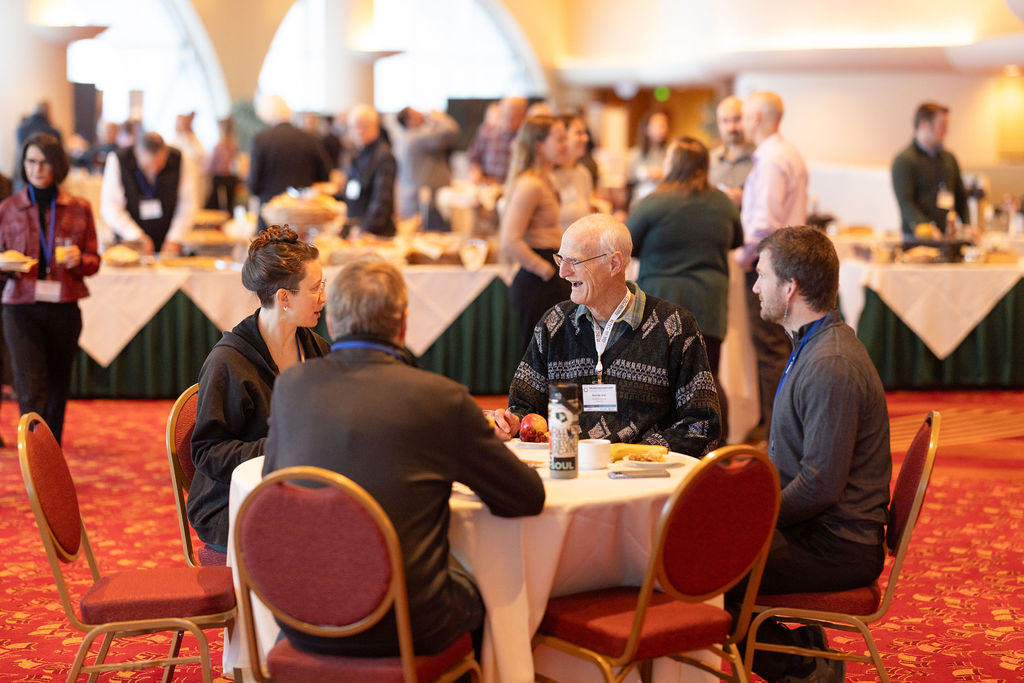
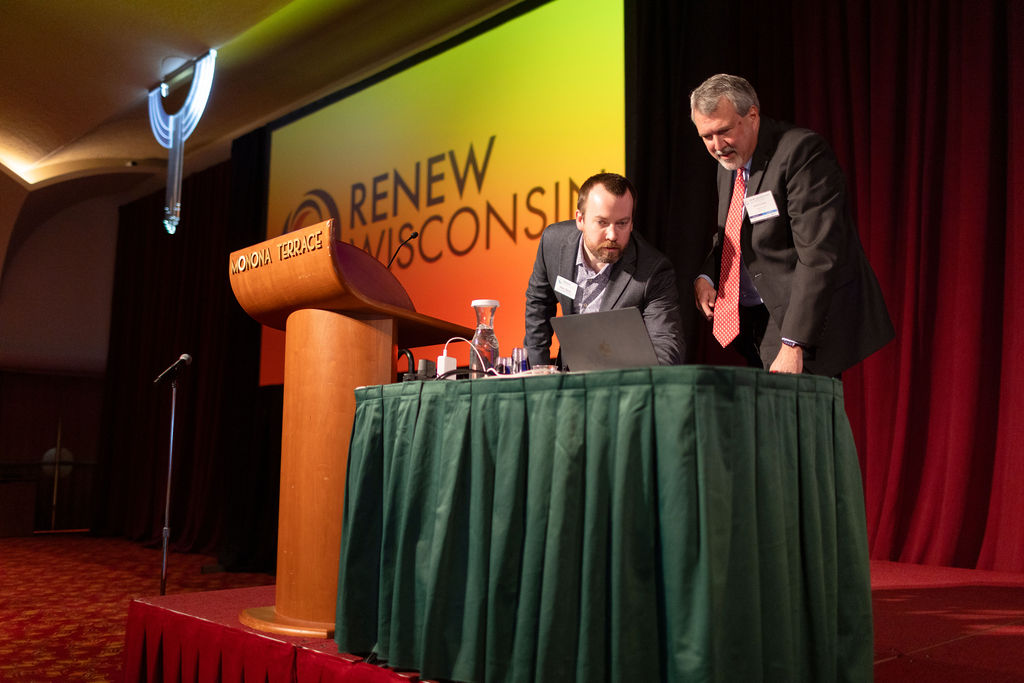
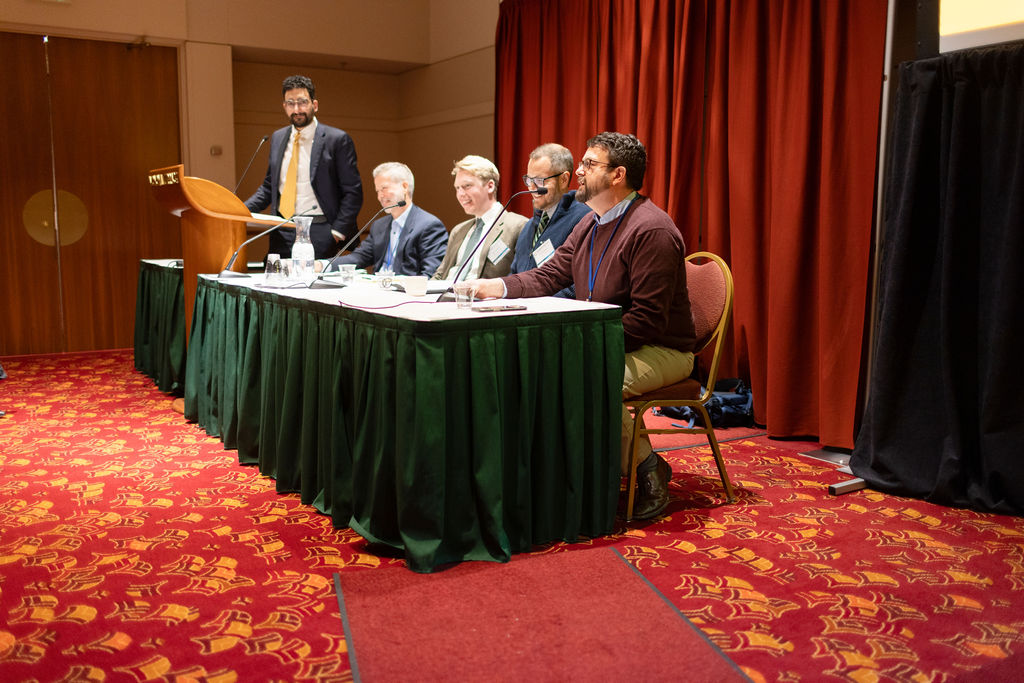
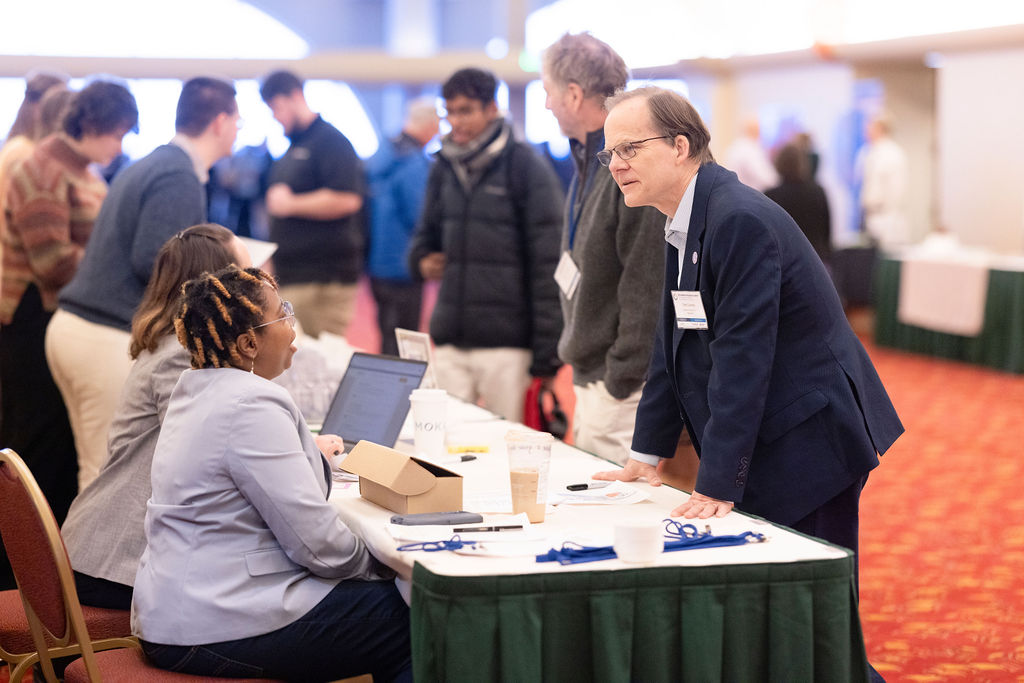
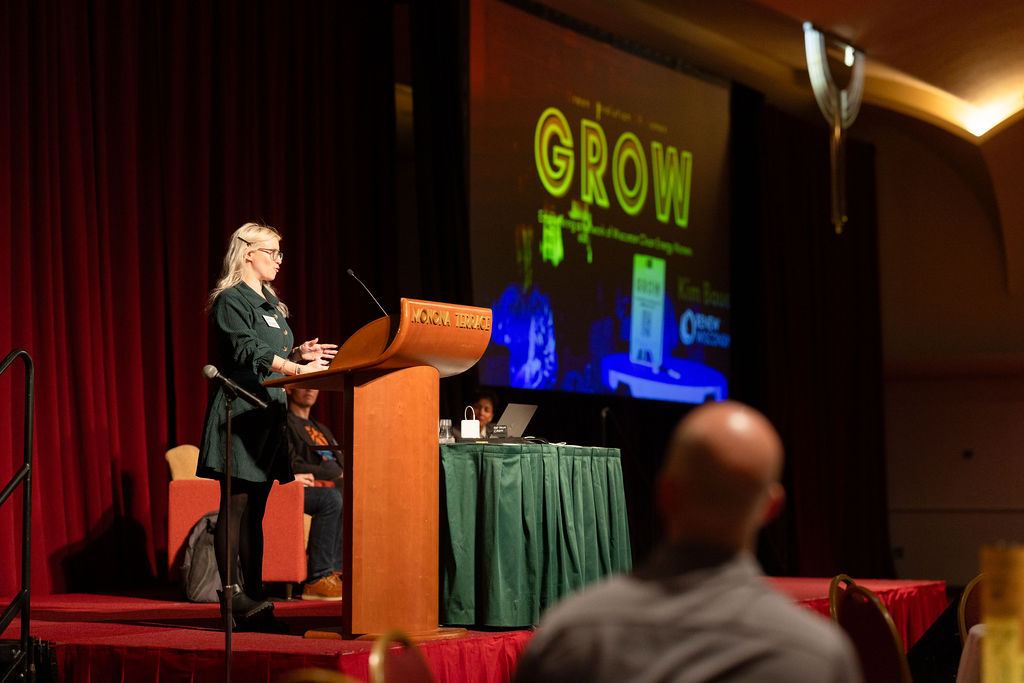
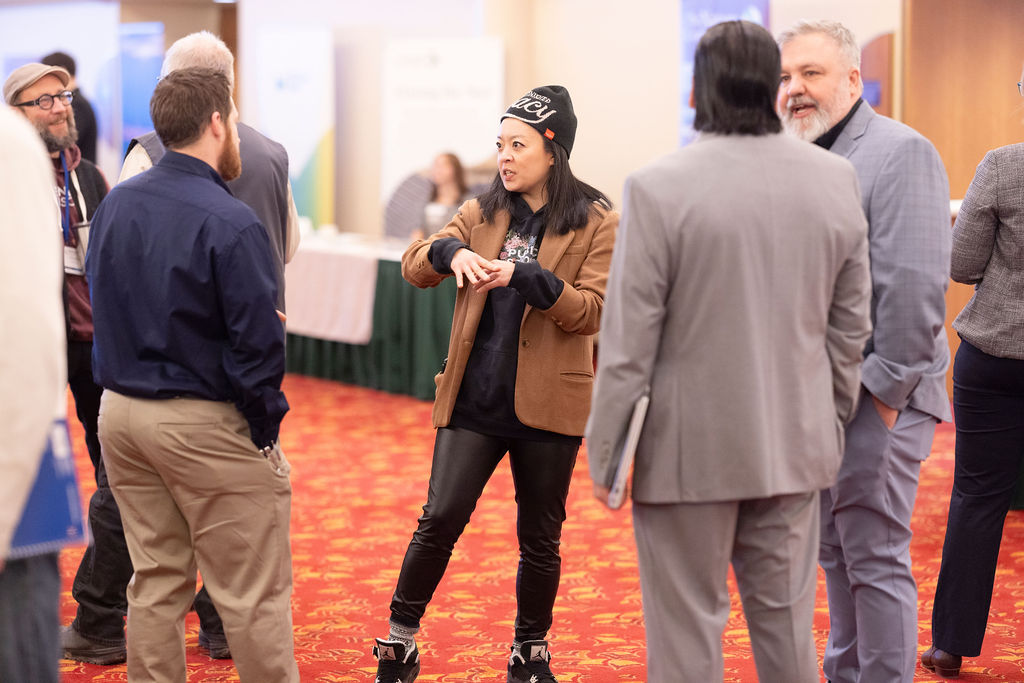
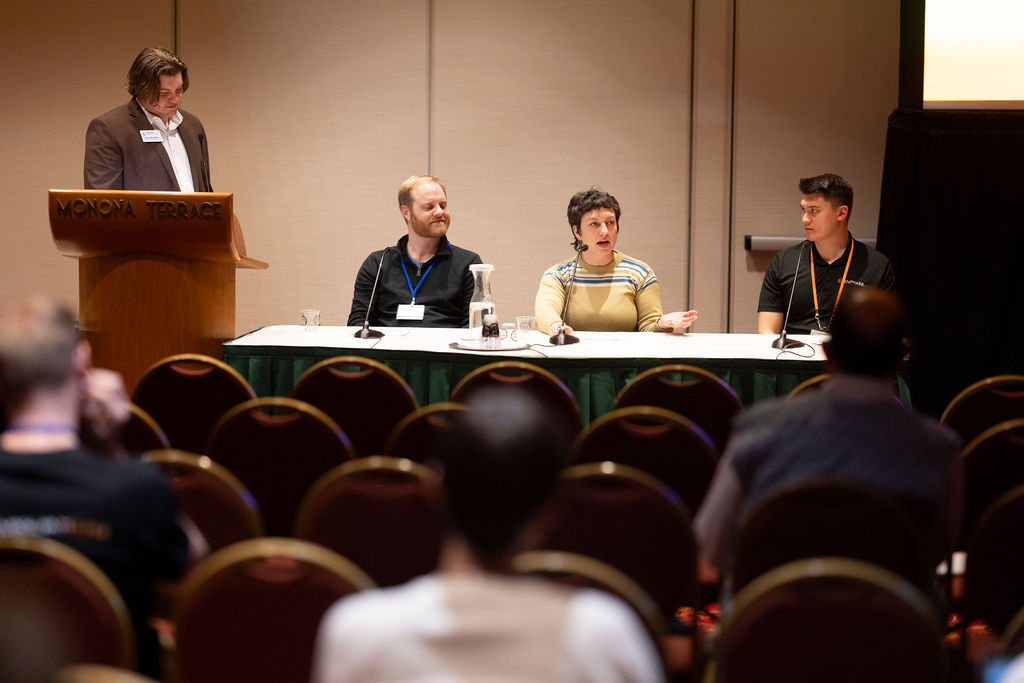
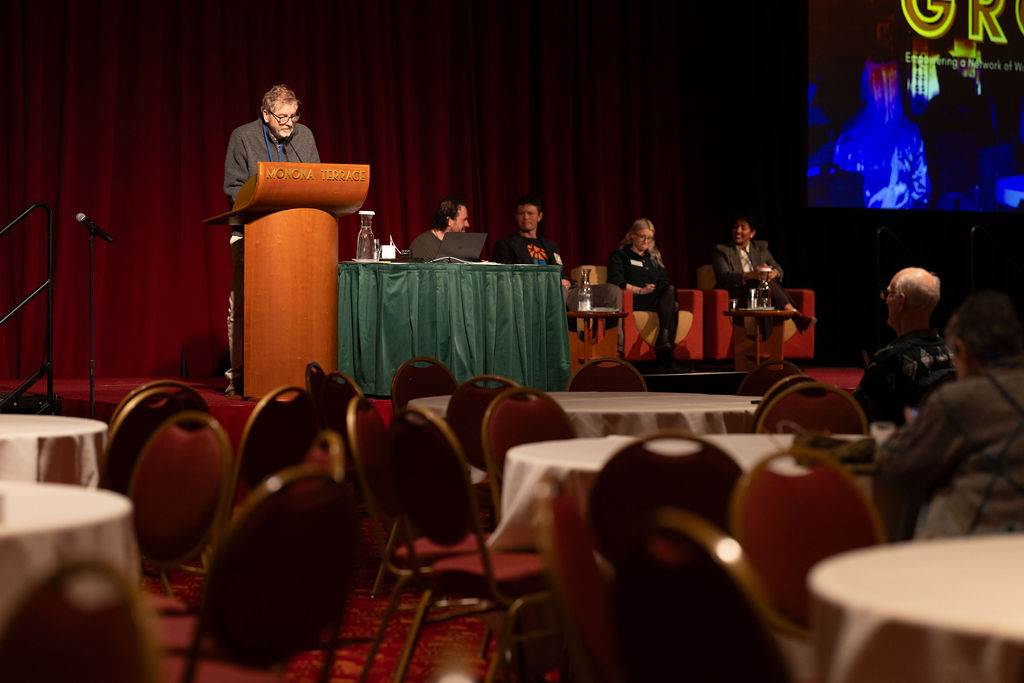
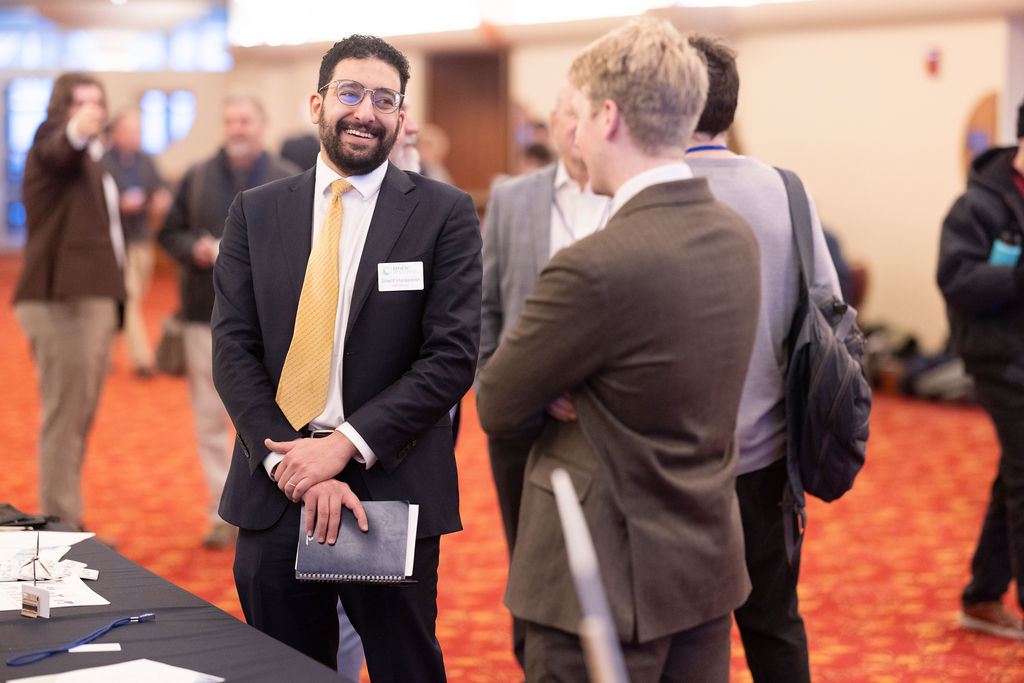
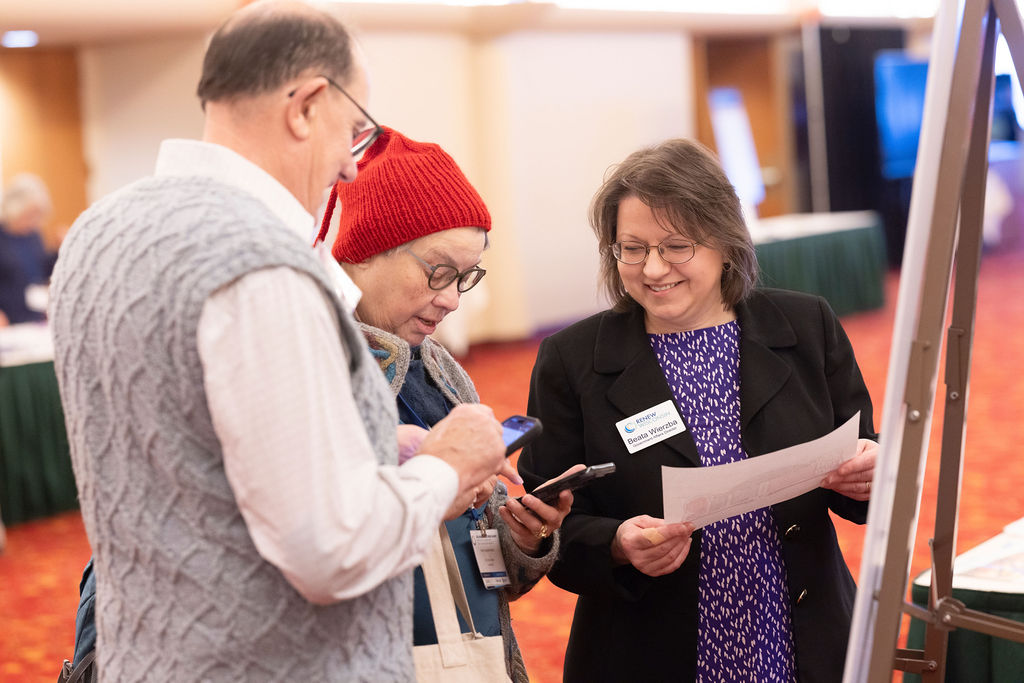
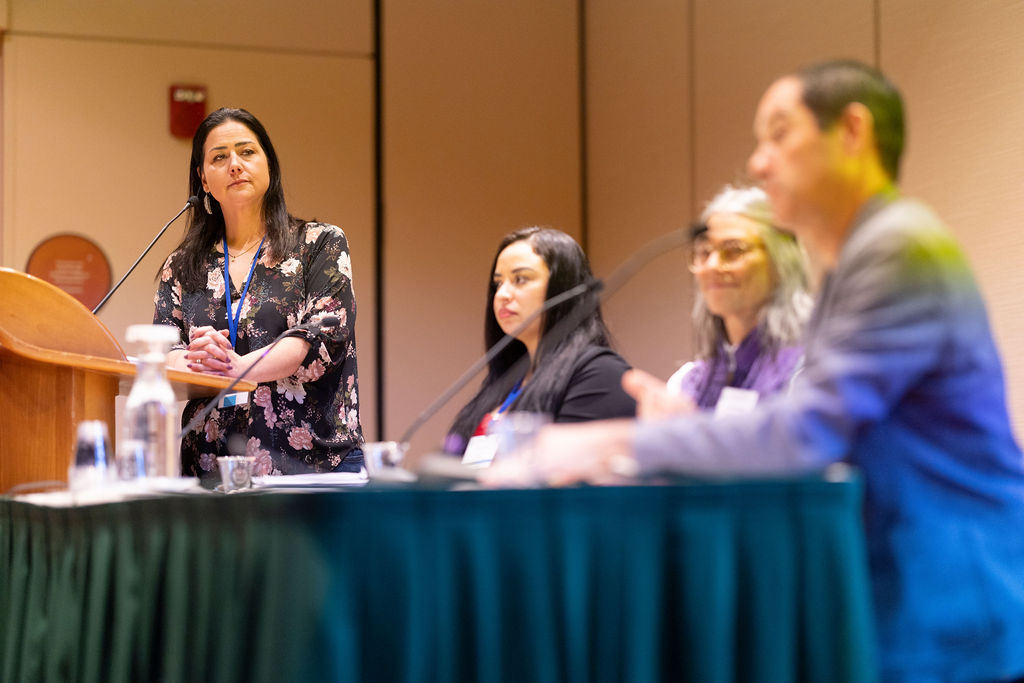
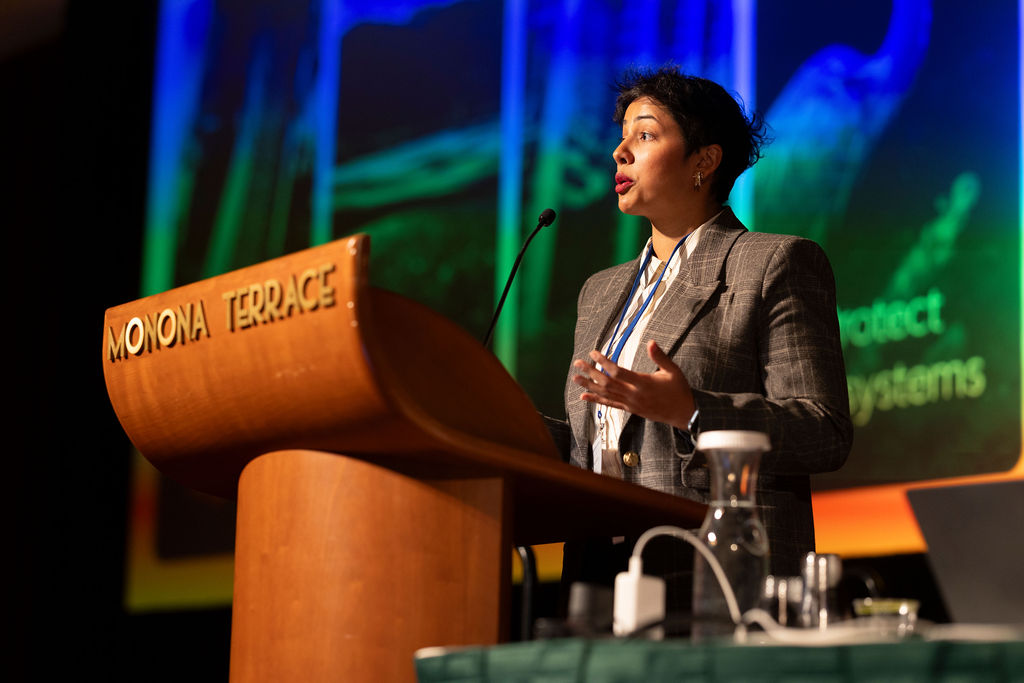
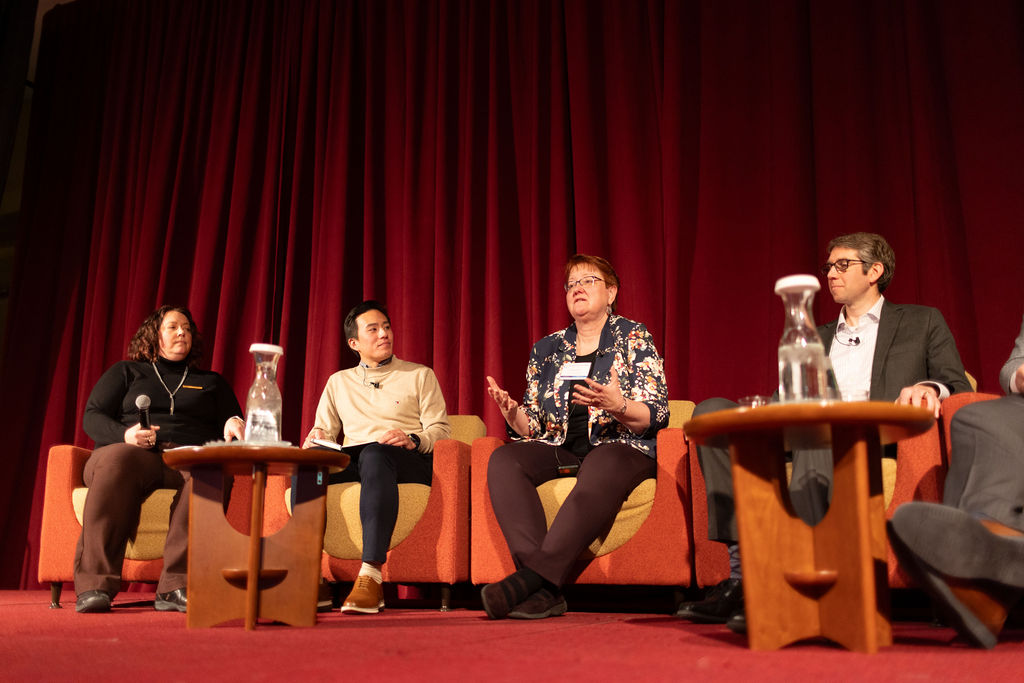
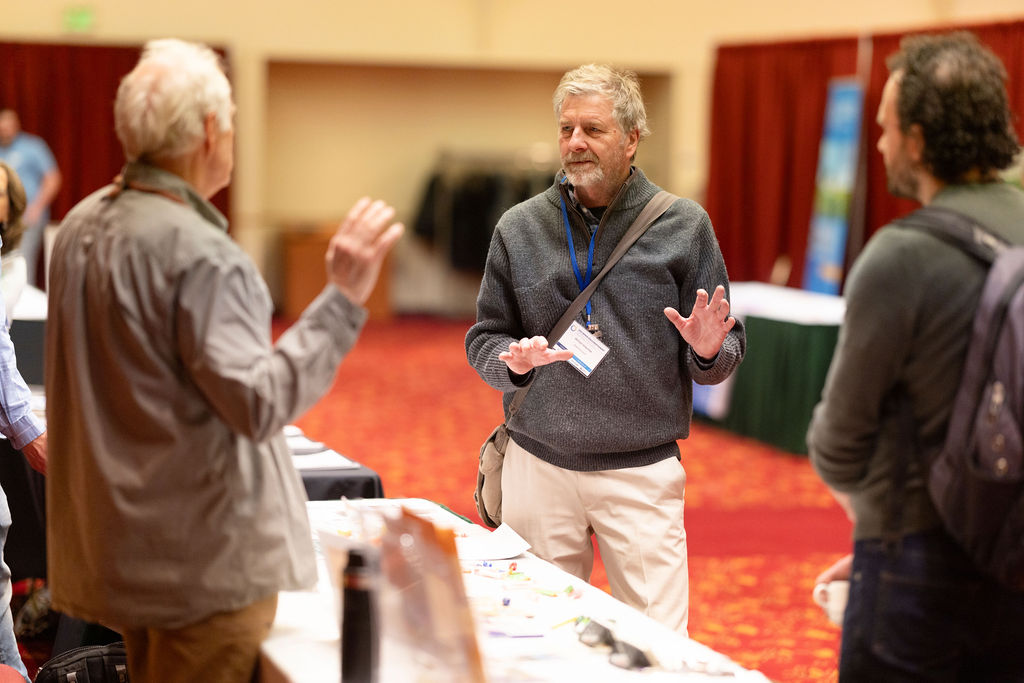
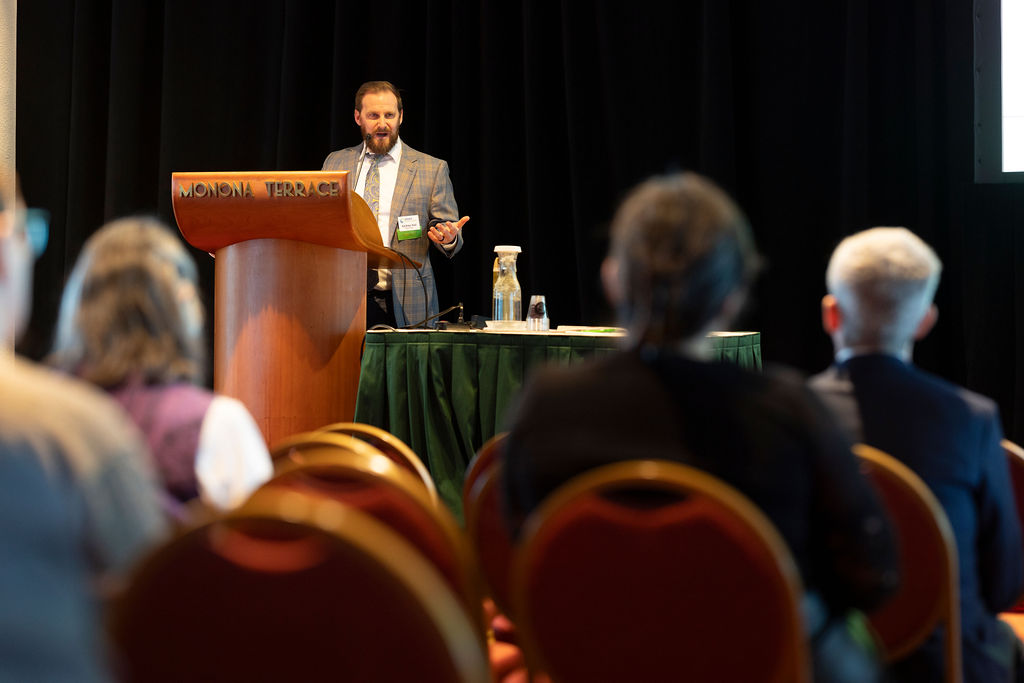
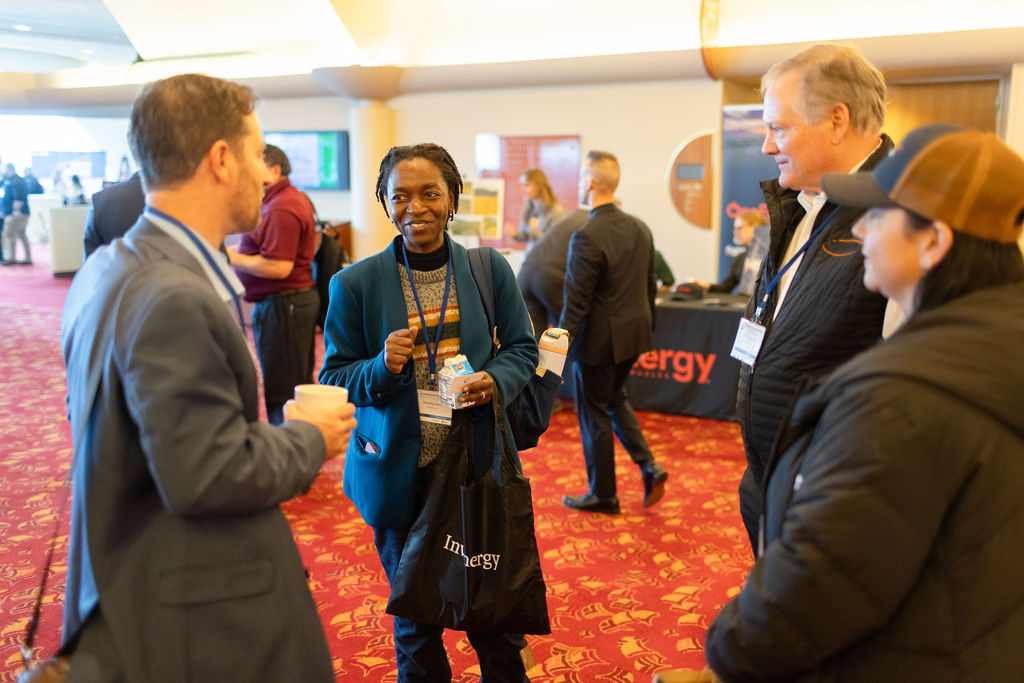
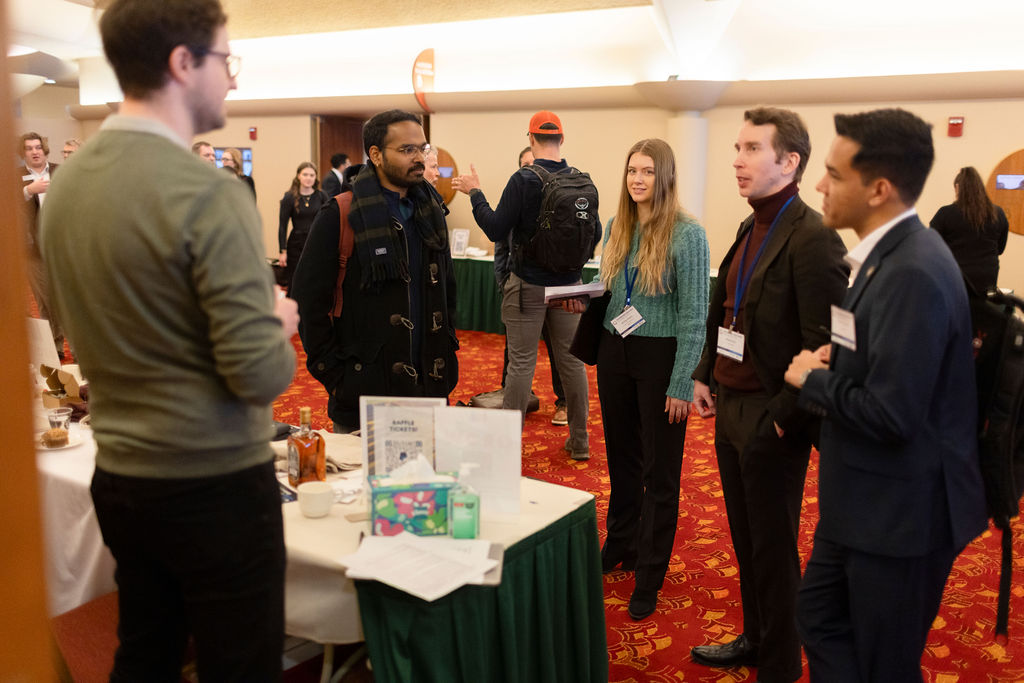
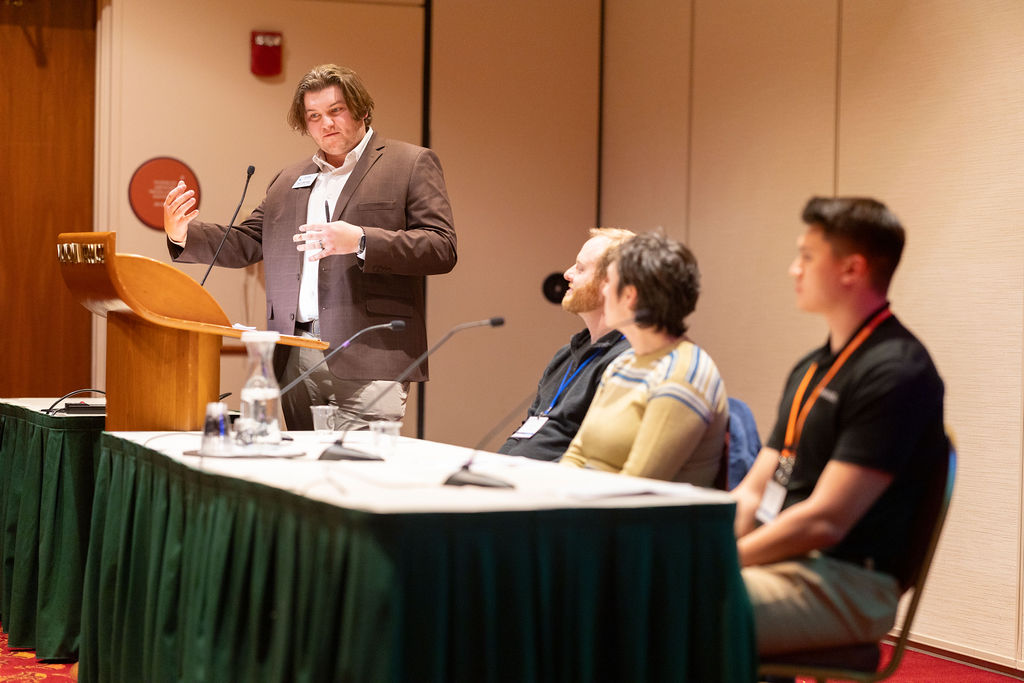
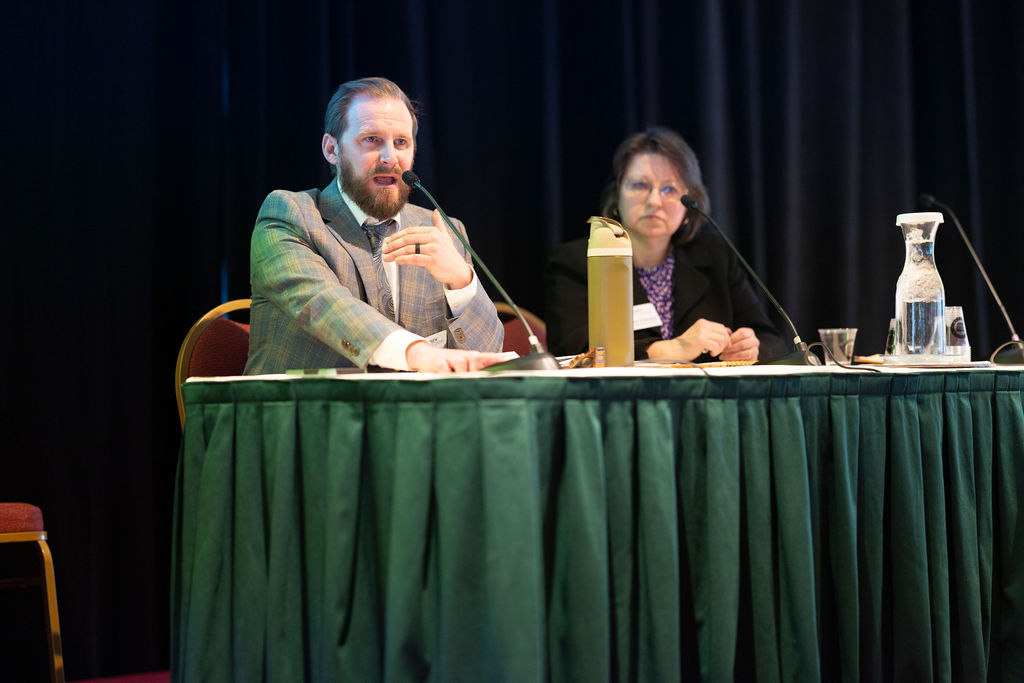
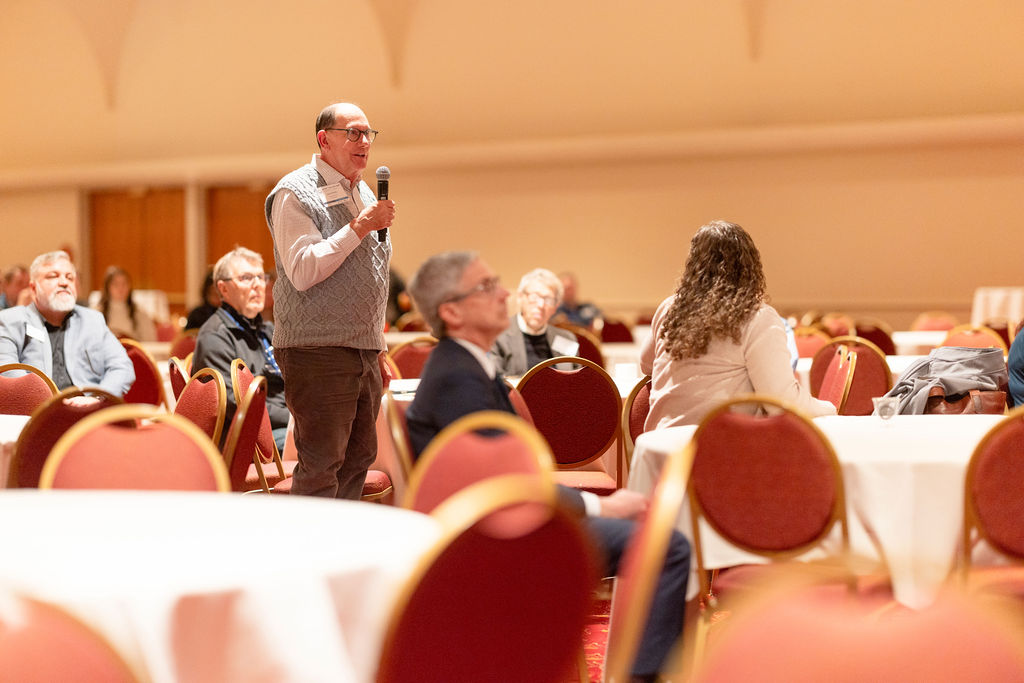
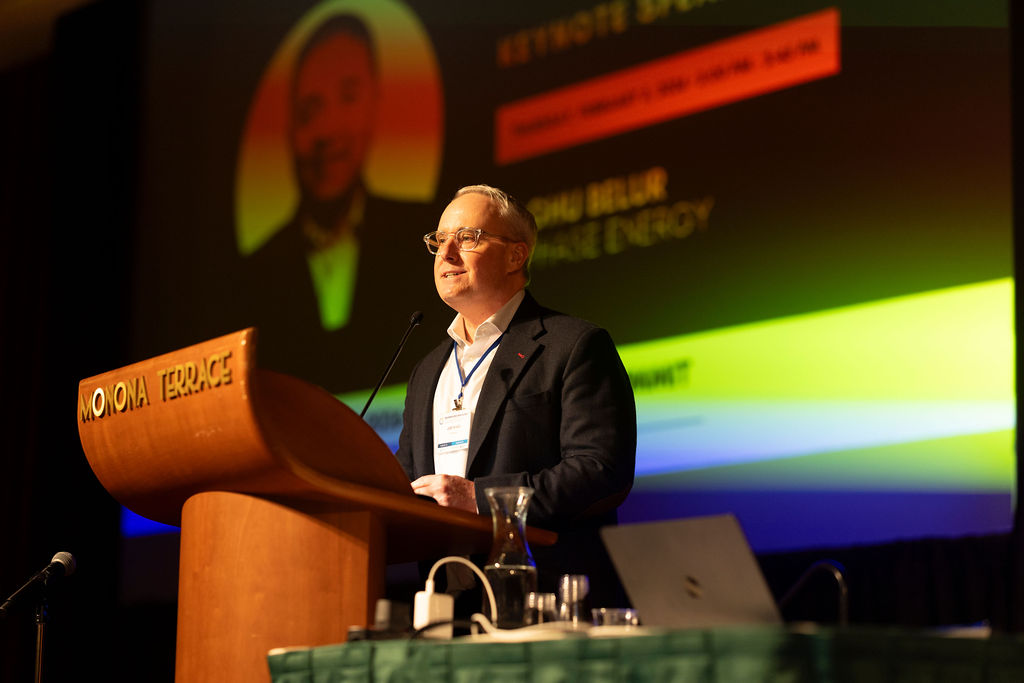
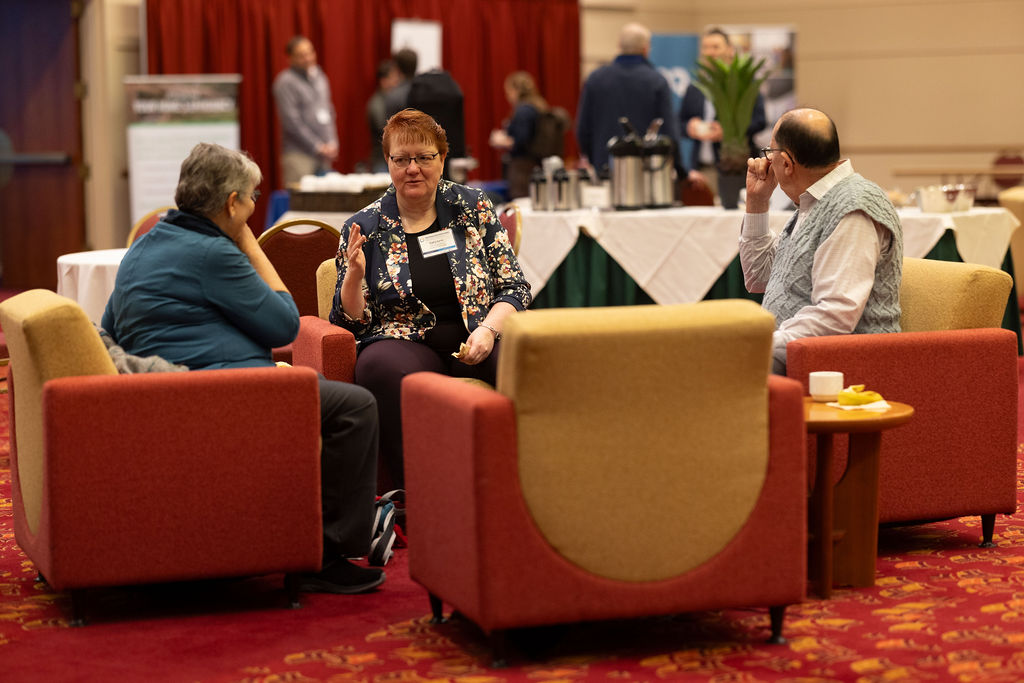
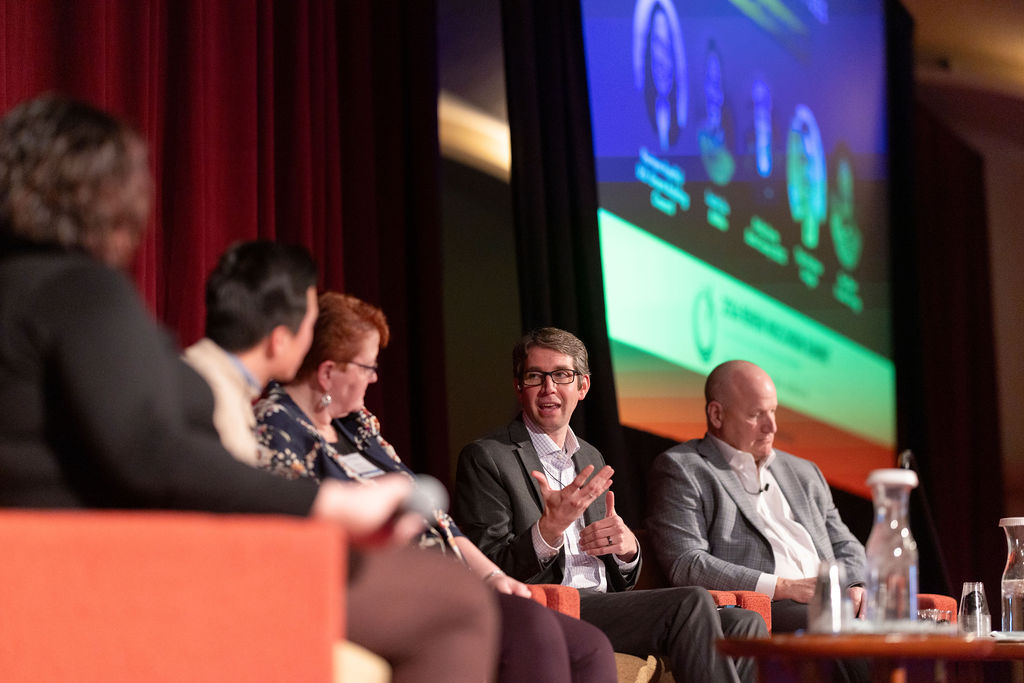
On Thursday, February 5, 2026, RENEW held our 15th annual RENEW Wisconsin Summit, presented by Invenergy and Dimension Energy. More than 600 Attendees from across the country joined us to discuss policy, legislation, and the future of energy, and how we will use clean energy to make Wisconsin more resilient! It’s hard to believe this event has been going on for so long, but it serves as proof that our industry is a resilient one.

This year, we made some small changes to our Summit, and we were happy to hear that most of them went unnoticed. That’s what we had hoped for! What changed, you ask? For the most part, we cut back on things that felt excessive, like the overall amount of food and some similar small parts of the Summit. Though we are all about clean energy, we also understand the importance of reducing waste in everything we do. Besides that, we did what we do every year — we focused on programming that we felt best represented current events so that we could have timely conversations about our industry, however difficult.
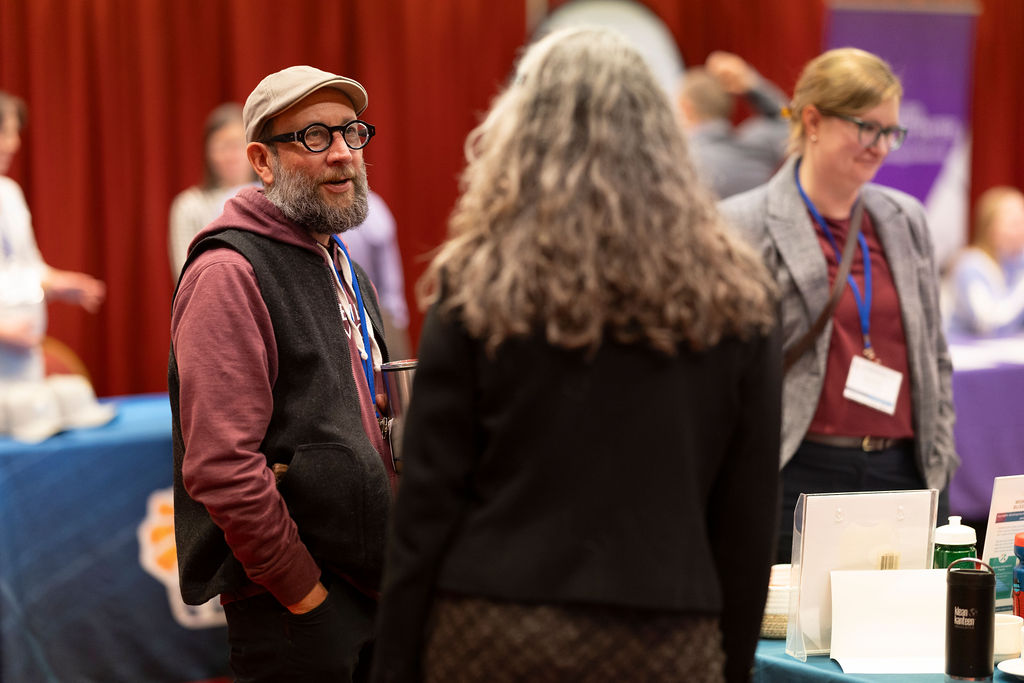
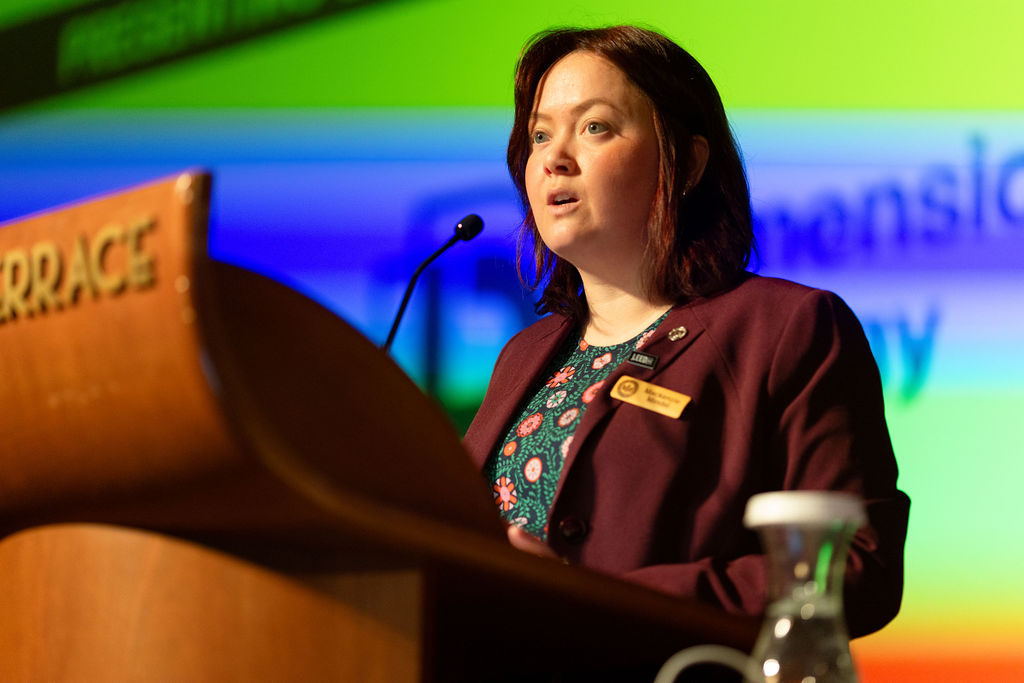
We certainly did have some interesting conversations this year, as well as a couple that might have been difficult or uncomfortable for some. That said, we hope you walked away from our programming with a stronger idea of the energy issues facing us in 2026 and some ideas of how we can address them. It’s our hope that the Summit serves as a launching pad for the remainder of the year. If our sessions on data centers, nuclear power, community benefits of utility-scale renewables, financing, or any of the others spurred an idea, we’d love to hear it. Together, we can turn these ideas into action as we continue to build a more resilient Wisconsin by expanding renewable energy.

And finally, we’d like to share some gratitude. The RENEW Wisconsin Summit comes together through the tireless efforts of our staff, board, volunteers, the many speakers who join us, our generous sponsors, and even our many attendees. The collective effort of the renewable energy industry is what makes this event so special, at least we certainly consider it special. It’s our hope that this event means something to all of you as well, because we’re doing it again. We admittedly don’t have many of the details worked out just yet for the 16th RENEW Wisconsin Summit, but we do know that we’ll be back on February 4, 2027. We hope you’ll join us then!

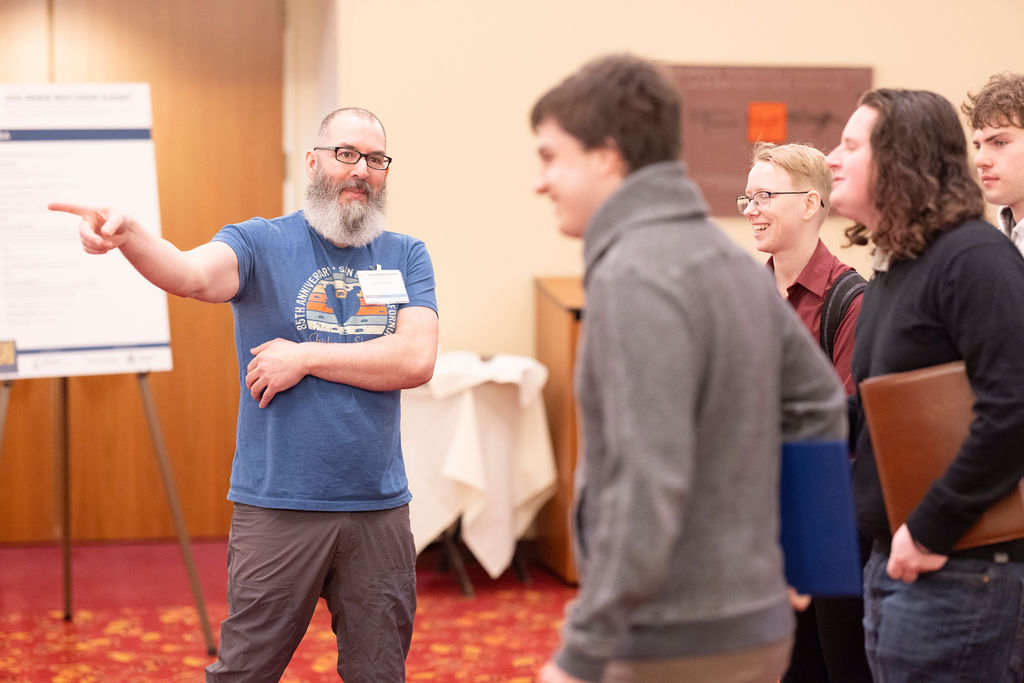
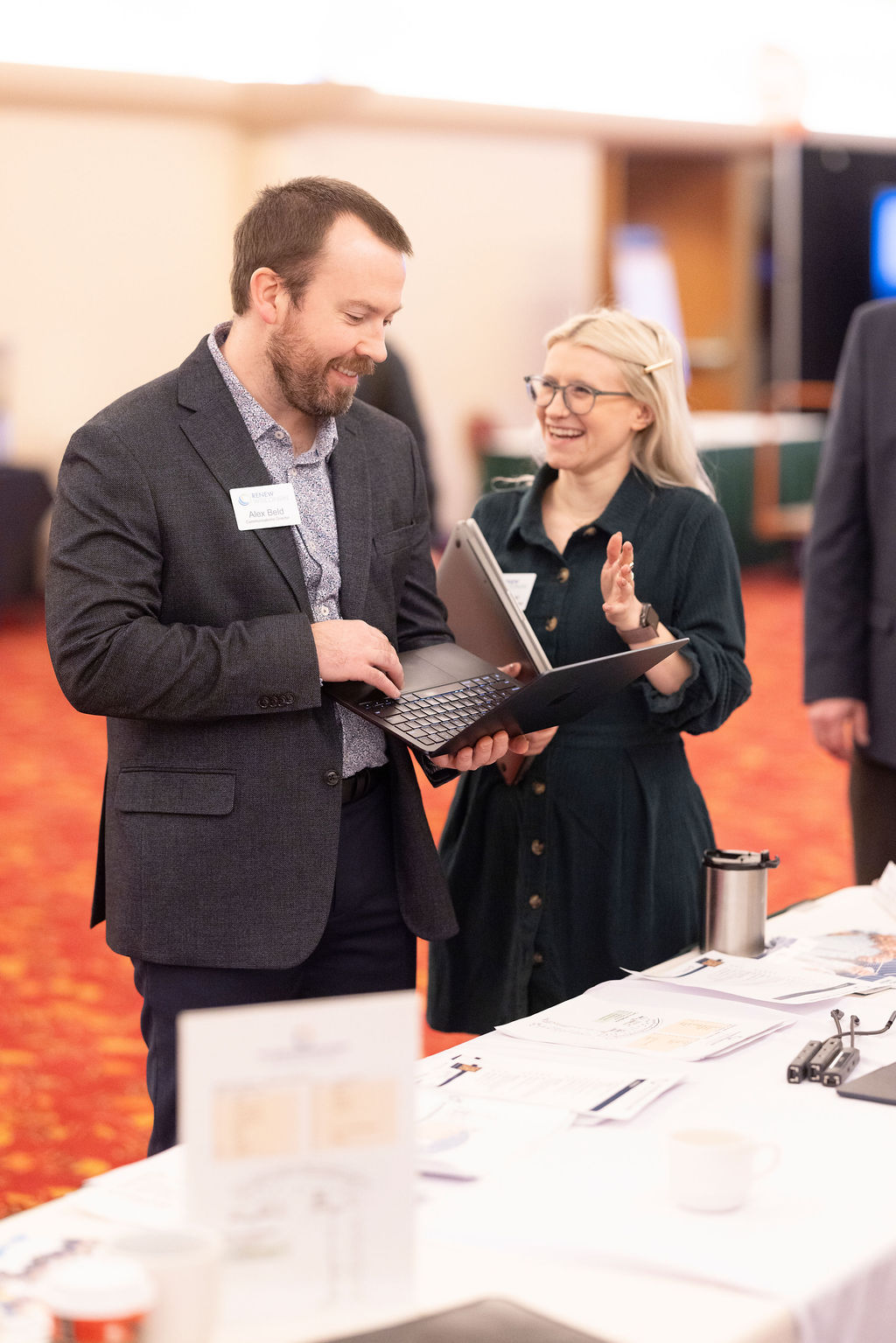
I know I already said “and finally,” but I do have one more thing. Below is a gallery of photos from the event. We know that photos don’t quite do it justice. We promise to have session recordings available within the next couple of weeks. Thanks again to everyone, you all make the yearly effort worth it!

Addressing Local Restrictions on DER

Addressing Local Restrictions on DER

Over the past year, RENEW has expanded its capacity to identify and respond to local barriers to distributed renewable energy (rooftop solar as an example), with a particular focus on identifying and addressing county and town drafting of restrictive local ordinances. RENEW has developed a framework for tracking county and town activity and coordinating with installers and developers on submitting comments to local board meetings. RENEW continues to communicate with county and town boards, when necessary, to advise on policy and legal implications of overly restrictive local regulations on distributed energy resources.

As part of implementing this strategy, RENEW communicated directly with Jefferson County regarding their 2025 Solar Energy Systems Ordinance Draft, providing a detailed legal analysis of how key provisions conflicted with state law and Court of Appeals precedent. RENEW’s analysis resulted in the redrafting of the proposed ordinance. When the ordinance was presented to the County Board of Supervisors, RENEW called for comments from RENEW members and impacted installers and developers. The strategy resulted in the Jefferson County Board returning the proposed ordinance to the zoning committee for further review, to reduce restrictions on solar energy systems.

The experience has helped RENEW identify potential litigation and policy strategies to empower our advocacy for balanced local rules that do not unduly restrict renewable energy production. RENEW is communicating and coordinating with other stakeholders to lay the groundwork for future model ordinance work and to support potential litigation that can clarify local authority on regulating renewable energy siting and production.

In parallel, RENEW has supported homeowners facing Home Owner Association (HOA) barriers to rooftop solar. RENEW worked with two homeowners and prepared a legal advisory letter to the Theofila Estates HOA explaining the limited authority of HOAs under state law, demonstrating how the HOA’s rejection of south-facing solar installations based on aesthetic rules would significantly increase costs, reduce system efficiency, and disqualify projects from Wisconsin’s Focus on Energy rebate, and therefore constitute an unlawful restriction on solar.

Together, this local and HOA focused work is helping RENEW build a practical toolkit that RENEW can deploy statewide to defend solar rights and promote uniform, lawful treatment of distributed renewable energy.

Many Ways to Give

Many Ways to Give

As we enter the season of thanks, togetherness, and gift-giving, those of us at RENEW Wisconsin wanted to talk about that last one. As a nonprofit that focuses on policy and legislation that helps to accelerate the clean energy transition, we depend on the kindness of individuals, businesses, and a number of grants to keep the advocacy work moving.

There are several avenues we’ve made available to clean energy advocates to provide financial support (and ideally, a little tax break for you). Below is a quick breakdown of all the ways to give.

A One-Time Donation

The most straightforward way to give! We will gladly take any amount of money that you’re willing to part with to support our mission. At $50/year, you are officially an individual member, which gives you voting privileges during our annual board elections.

Sustaining Membership

Any monthly donation that totals $50/year over 12 months makes you a member. That’s as little as $5 a month — less than most places charge for a cup of coffee these days.

Stock Donations?!

It might sound crazy, but we also accept stocks. Have a junk stock that’s just not performing? Want to reduce your capital gains tax exposure? You can quickly and securely donate your stock to us. And just to be clear, we never touch the stock. When you support us through stock donations, they are immediately sold, and the funds go straight to the bank.

However you choose to give, we appreciate it — and if you can give this time, we understand. Whatever you choose to do, we have one other ask. When you’re talking with family, friends, or neighbors about what you can do to combat climate change, reduce pollution, or support our local economy, consider spreading the word about RENEW and how together we can make the clean energy revolution happen.

With Gratitude,
RENEW Wisconsin