by jboullion | Apr 13, 2010 | Uncategorized
From an article by Tom Content in the Milwaukee Journal Sentinel:
A revised state clean energy and global warming bill unveiled Tuesday scales back the scope of the bill but retains a commitment to expand use of renewable energy and open the door to construction of nuclear reactors in Wisconsin.
The revisions, obtained by the Journal Sentinel, were drafted in response to concerns raised by business groups and politicians that the original bill was too unwieldy, too controversial and potentially too costly.
Jettisoned from the package were mandates concerning transportation fuels, including a requirement that Wisconsin require greater use of low-carbon transportation fuels such as biofuels.
To reduce the overall cost of the package, the bill allows energy efficiency gains to count toward a portion of a mandate that 25% of Wisconsin’s electricity come from renewable power sources by 2025.
A combined energy efficiency and renewable energy standard is also part of federal legislation that passed in the U.S. House of Representatives last year.
The state bill would allow one-fifth of the mandate to come through energy savings, most likely from major energy saving initiatives by factories and other big energy users.
Another change responds to concerns raised by utilities concerning a mandate that had been in the earlier bill concerning small renewable energy projects around the state. The mandate has been replaced with expanded funding for small renewable energy projects. The new proposal states a preference that much of that money be allocated toward manure digesters on Wisconsin dairy farms.
The latest version also underscores the consequences of the weak economy and declining sentiment for taking action on global warming.
Doyle signed an executive order creating the task force in April 2007 – well before the collapse in the economy. In December 2009, after details were known, many business groups attacked it and said the recommendations would harm the energy-intensive manufacturing sector.
But some other industries and companies, notably Johnson Controls, the state’s largest public company, said the bill would create jobs and align the state to take advantage of emerging trends in sustainability.
At the same time, the public appears less concerned about climate change. A national Gallup Poll in March showed that the percentage of respondents who believe the seriousness of global warming is “generally exaggerated” has increased from 35% to 48% in two years.
“As introduced, the Clean Energy Jobs Act would reduce greenhouse gas emissions, create jobs, and help keep rising energy bills in check,” said Keith Reopelle, senior policy director at the environmental group Clean Wisconsin, said in a statement. “The substitute amendment represents a compromise that will still accomplish all of these goals, but to a lesser degree than the original bill.”
Clean Wisconsin is still reviewing the details of the changes.
“As we understand them, the changes in the substitute amendment will result in even more jobs and lower energy bills in the next few years by increasing short-term commitments to energy efficiency,” Reopelle said. “However, paring back the renewable energy standard will likely result in less rate relief in the long term, because renewable energy helps hedge against the rising cost of fossil fuels.”
by jboullion | Apr 13, 2010 | Uncategorized
From an article by Tom Content in the Milwaukee Journal Sentinel:
A revised state clean energy and global warming bill unveiled Tuesday scales back the scope of the bill but retains a commitment to expand use of renewable energy and open the door to construction of nuclear reactors in Wisconsin.
The revisions, obtained by the Journal Sentinel, were drafted in response to concerns raised by business groups and politicians that the original bill was too unwieldy, too controversial and potentially too costly.
Jettisoned from the package were mandates concerning transportation fuels, including a requirement that Wisconsin require greater use of low-carbon transportation fuels such as biofuels.
To reduce the overall cost of the package, the bill allows energy efficiency gains to count toward a portion of a mandate that 25% of Wisconsin’s electricity come from renewable power sources by 2025.
A combined energy efficiency and renewable energy standard is also part of federal legislation that passed in the U.S. House of Representatives last year.
The state bill would allow one-fifth of the mandate to come through energy savings, most likely from major energy saving initiatives by factories and other big energy users.
Another change responds to concerns raised by utilities concerning a mandate that had been in the earlier bill concerning small renewable energy projects around the state. The mandate has been replaced with expanded funding for small renewable energy projects. The new proposal states a preference that much of that money be allocated toward manure digesters on Wisconsin dairy farms.
The latest version also underscores the consequences of the weak economy and declining sentiment for taking action on global warming.
Doyle signed an executive order creating the task force in April 2007 – well before the collapse in the economy. In December 2009, after details were known, many business groups attacked it and said the recommendations would harm the energy-intensive manufacturing sector.
But some other industries and companies, notably Johnson Controls, the state’s largest public company, said the bill would create jobs and align the state to take advantage of emerging trends in sustainability.
At the same time, the public appears less concerned about climate change. A national Gallup Poll in March showed that the percentage of respondents who believe the seriousness of global warming is “generally exaggerated” has increased from 35% to 48% in two years.
“As introduced, the Clean Energy Jobs Act would reduce greenhouse gas emissions, create jobs, and help keep rising energy bills in check,” said Keith Reopelle, senior policy director at the environmental group Clean Wisconsin, said in a statement. “The substitute amendment represents a compromise that will still accomplish all of these goals, but to a lesser degree than the original bill.”
Clean Wisconsin is still reviewing the details of the changes.
“As we understand them, the changes in the substitute amendment will result in even more jobs and lower energy bills in the next few years by increasing short-term commitments to energy efficiency,” Reopelle said. “However, paring back the renewable energy standard will likely result in less rate relief in the long term, because renewable energy helps hedge against the rising cost of fossil fuels.”
by jboullion | Apr 13, 2010 | Uncategorized
From an article by Tom Content in the Milwaukee Journal Sentinel:
A revised state clean energy and global warming bill unveiled Tuesday scales back the scope of the bill but retains a commitment to expand use of renewable energy and open the door to construction of nuclear reactors in Wisconsin.
The revisions, obtained by the Journal Sentinel, were drafted in response to concerns raised by business groups and politicians that the original bill was too unwieldy, too controversial and potentially too costly.
Jettisoned from the package were mandates concerning transportation fuels, including a requirement that Wisconsin require greater use of low-carbon transportation fuels such as biofuels.
To reduce the overall cost of the package, the bill allows energy efficiency gains to count toward a portion of a mandate that 25% of Wisconsin’s electricity come from renewable power sources by 2025.
A combined energy efficiency and renewable energy standard is also part of federal legislation that passed in the U.S. House of Representatives last year.
The state bill would allow one-fifth of the mandate to come through energy savings, most likely from major energy saving initiatives by factories and other big energy users.
Another change responds to concerns raised by utilities concerning a mandate that had been in the earlier bill concerning small renewable energy projects around the state. The mandate has been replaced with expanded funding for small renewable energy projects. The new proposal states a preference that much of that money be allocated toward manure digesters on Wisconsin dairy farms.
The latest version also underscores the consequences of the weak economy and declining sentiment for taking action on global warming.
Doyle signed an executive order creating the task force in April 2007 – well before the collapse in the economy. In December 2009, after details were known, many business groups attacked it and said the recommendations would harm the energy-intensive manufacturing sector.
But some other industries and companies, notably Johnson Controls, the state’s largest public company, said the bill would create jobs and align the state to take advantage of emerging trends in sustainability.
At the same time, the public appears less concerned about climate change. A national Gallup Poll in March showed that the percentage of respondents who believe the seriousness of global warming is “generally exaggerated” has increased from 35% to 48% in two years.
“As introduced, the Clean Energy Jobs Act would reduce greenhouse gas emissions, create jobs, and help keep rising energy bills in check,” said Keith Reopelle, senior policy director at the environmental group Clean Wisconsin, said in a statement. “The substitute amendment represents a compromise that will still accomplish all of these goals, but to a lesser degree than the original bill.”
Clean Wisconsin is still reviewing the details of the changes.
“As we understand them, the changes in the substitute amendment will result in even more jobs and lower energy bills in the next few years by increasing short-term commitments to energy efficiency,” Reopelle said. “However, paring back the renewable energy standard will likely result in less rate relief in the long term, because renewable energy helps hedge against the rising cost of fossil fuels.”
by jboullion | Apr 12, 2010 | Uncategorized
From a story on WEAU-TV (Eau Claire):
MADISON – The State of Wisconsin announced today that due to the success of the State Energy Efficient Appliance Rebate Program funds are expected to run out this month. Since the program began on Jan. 1, 2010, more than 22,000 rebate applications have been processed and approximately half of the funds, allocated under the American Recovery and Reinvestment Act, have been spent.
“Based on recent demand, we believe funds will be available through April, though it’s hard to say for sure,” said Judy Ziewacz, director of the Wisconsin Office of Energy Independence. “It is important that consumers act quickly to be able to take advantage of the rebate program before funds run out.”
The program, which offers Cash-Back Rewards on high-efficiency appliances and equipment, is meant to encourage the replacement and proper recycling of old units with new high-efficiency units. These Cash-Back Rewards are only available while funds last and are granted on a first-come, first-served basis for completed applications. Applications will be denied once funds run out, but the following application deadlines are being offered for now:
Application deadlines for appliances (refrigerators, freezers, clothes washers, dishwashers)
· Appliances must be purchased on or before April 30, 2010.
· Application forms must be received by May 31, 2010; applications without serial numbers will not qualify for the rebate.
· Appliances that are back-ordered and cannot be received by the customer early enough to include the serial number and postmark the application by May 31, 2010 will not be eligible for the Cash-Back Reward.
Application deadlines for solar hot-water systems
· Application forms must be received by April 30, 2010 for pre-approval.
Application deadlines for water heaters and heating, ventilating and air conditioning equipment
· Installation must be completed by May 15, 2010.
· Application forms must be received by June 15, 2010.
by jboullion | Apr 12, 2010 | Uncategorized
From an editorial in the Milwaukee Journal Sentinel:
The Legislature should approve the legislation to set up interim regional transit authorities in seven southeastern Wisconsin counties.
Republican legislators who support business growth need to pay attention to what business leaders are saying about transit in southeastern Wisconsin. And Democratic legislators who support jobs for families in their districts need to pay attention to what union leaders and those families are saying about the issue.
On this issue, many business and union leaders are united in their support for a regional transit system that can link workers to jobs. And they’re hardly alone. Local officials who have publicly supported improved transit on these pages or elsewhere in recent months include Milwaukee Common Council President Willie L. Hines Jr., Milwaukee County Board Chairman Lee Holloway, Milwaukee Mayor Tom Barrett, Wauwatosa Ald. Dennis McBride and even County Executive Scott Walker (although he opposes an increase in the sales tax to fund transit).
Nurses have written about the public health aspects of a diverse transportation system that includes reliable transit. Supporters of the arts have argued that transit is important to a healthy arts community.
And this is the moment. A bill pending in the Legislature needs to be approved by the end of this legislative session later this month. Failure to do so would be a blow to business and jobs, commuters and families.
This should not be a partisan issue; although they may have different electoral bases, Republicans and Democrats are united in their voiced support for a strong economy, business expansion, job growth and the infrastructure needed to provide the right links.
by jboullion | Apr 12, 2010 | Uncategorized
From an article in the LaCrosse Tribune:
What do you do after a professional basketball career?
If you’re Will Allen, you found Growing Power Inc., a nonprofit urban farm and food system training center in Milwaukee.
The La Crosse Earth Week Coalition is bringing Allen to La Crosse for a free presentation at 7 p.m. Tuesday in the Graff Main Hall auditorium at the University of Wisconsin-La Crosse. Earlier in the day, Allen will visit the Franklin Elementary School Garden with the after-school program.
He will have dinner at 5 p.m. at the Hillview Greenhouse Life Center.
After a short professional basketball career and a number of years in corporate marketing, Allen returned to his roots as a farmer to found Growing Power, a nonprofit that helps provide equal access to healthy, high-quality, safe and affordable food for people in all communities. . . .
The La Crosse Earth Week Coalition is a group of public, private and nonprofit organizations working together to improve the quality of the environment in the Upper Mississippi River Valley. For more information, go to www.greenlacrosse. com.
by jboullion | Apr 12, 2010 | Uncategorized
From an article in the Wausau Daily Herald:
When Wausau East High School senior Maddy Schwede goes to school in the morning, she almost always glances up.
She’s looking to see if, 155 feet in the air, the giant propeller of the school’s Northwind 100 wind turbine is spinning. If it is, she knows the school is making electricity.
“It definitely catches your eye,” Schwede said.
The wind power generator was installed in October, and a second, smaller turbine soon will be put up. A solar panel that moves with the sun also is producing green energy on the site.
It all will cost about $650,000, mostly funded by grants from the Walter Alexander Foundation and Wisconsin Focus on Energy. Once they’re all running, the three units are expected to save the district more than $14,000 a year on its electricity bills. If so, it’ll take a little more than 46 years for the system to start making money beyond its cost.
But for students, teachers and those who helped make the wind turbine installation a reality, the money part of the project isn’t the point.
Instead, the ultimate hope is that a student will look up at the turbine like Schwede does and will feel a spark of imagination. She’ll learn about alternative energy in an environmental science class, learn about the design of a propeller in a technical education class and learn about the principles involved in producing electricity in a physics class.
And then she’ll go the University of Wisconsin-Madison or the Massachusetts Institute of Technology or another school and learn more. And maybe, just maybe, she’ll design a better turbine or a more effective solar panel that eventually will help make green, sustainable energy production a mainstream endeavor, instead of a niche area.
by jboullion | Apr 9, 2010 | Uncategorized
From an article by Paul Snyder in The Daily Reporter:
A local dispute over a proposed $255 million biomass plant in Rothschild is morphing into a debate over whether the opposition can force a referendum on the project.
“Based on what our attorney’s said, I question the validity of any referendum they would offer,” said Rothschild Village President Neal Torney.
Yet Village Voice, a group organized in opposition to the We Energies project, still wants a special referendum. Paul Schwantes, a member of the group and owner of Wausau-based Sydney Development LLC, said if the village does not agree to a special referendum, he will force one during the November election.
“I need a petition with 330 signatures,” he said. “I can get that.”
We Energies has proposed building the plant on the site of the Domtar Corp. paper mill to produce 50 megawatts of electricity. Torney said the site is zoned for industrial use, so short of approving site plans such as storm water systems and the height of chimney stacks, Rothschild has little room to reject the project if the project complies with local zoning laws.
“I’m almost certain there would be a legal challenge if we did,” said Torney, who added the village is not spending money on the project.
But that does not prevent Village Voice from petitioning for a referendum, said Dale Thorpe, an attorney for Delavan-based Thorpe & Christian SC, which represents municipalities in the state. He said citizens have a right to petition for a referendum if they are unhappy with government expenditure.
Even though the village would not spend money on the project, Thorpe said, the law is broad enough to cover construction projects residents do not want.
“By the same logic,” he said, “it can be used on building, zoning or rezoning approvals or for residents that just want to see a project stopped.”
by jboullion | Apr 7, 2010 | Uncategorized
A commentary by Michael Vickerman, executive director of RENEW Wisconsin:
For Immediate Release
April 7, 2010
For More Information Contact
Michael Vickerman
608.255.4044
mvickerman@renewwisconsin.org
Costs of coal plants keep going up
In recent weeks, some groups have suggested that we maintain our current energy portfolio, continuing to rely heavily on coal-fired generation for a substantial amount of our electricity. These groups claim that gradually moving toward more reliance on local, in-state sources of energy will increase electricity costs. These claims have been thoroughly discredited by two economic studies concluding that electricity bills will decrease with the Clean Energy Jobs Act.
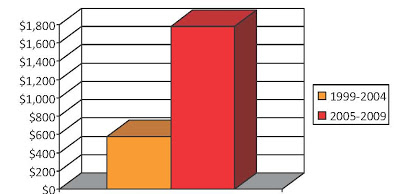
Further, these groups refuse to acknowledge the substantial, ongoing costs associated with coal plants. Since 1999, Wisconsin utilities have spent over $2 billion of customer money keeping old, inefficient coal plants running. For comparison purposes, this sum is nearly triple the utilities’ investment in windpower facilities during the same period. Customers have seen the real and substantial impact of these coal plant costs through rising electricity rates over the past several years. These costs are in addition to the more than $700 million (exclusive of transportation costs) we send out of state each year to pay for the coal to fuel these aging plants. Reliance on dirty, antiquated coal plants leaves Wisconsin in a vulnerable position, unable to predict or control energy costs.
Unlike coal, clean resources like biogas, wind and solar will produce energy throughout their productive lives without requiring costly pollution abatement measures. Going forward, the more renewable energy we add to Wisconsin’s energy resource mix, the less exposed we will be to these downstream liabilities. The avoidance of these regulatory risks is another compelling reason for passing the Clean Energy Jobs Act legislation in this session.
Coal Plant Retrofit Costs (1999-2009)
(in Millions of Dollars)
by jboullion | Apr 7, 2010 | Uncategorized
A commentary by Michael Vickerman, executive director of RENEW Wisconsin:
For Immediate Release
April 7, 2010
For More Information Contact
Michael Vickerman
608.255.4044
mvickerman@renewwisconsin.org
Costs of coal plants keep going up
In recent weeks, some groups have suggested that we maintain our current energy portfolio, continuing to rely heavily on coal-fired generation for a substantial amount of our electricity. These groups claim that gradually moving toward more reliance on local, in-state sources of energy will increase electricity costs. These claims have been thoroughly discredited by two economic studies concluding that electricity bills will decrease with the Clean Energy Jobs Act.
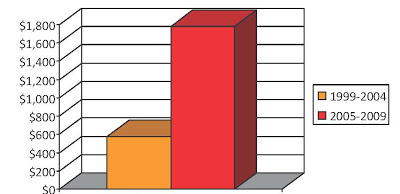
Further, these groups refuse to acknowledge the substantial, ongoing costs associated with coal plants. Since 1999, Wisconsin utilities have spent over $2 billion of customer money keeping old, inefficient coal plants running. For comparison purposes, this sum is nearly triple the utilities’ investment in windpower facilities during the same period. Customers have seen the real and substantial impact of these coal plant costs through rising electricity rates over the past several years. These costs are in addition to the more than $700 million (exclusive of transportation costs) we send out of state each year to pay for the coal to fuel these aging plants. Reliance on dirty, antiquated coal plants leaves Wisconsin in a vulnerable position, unable to predict or control energy costs.
Unlike coal, clean resources like biogas, wind and solar will produce energy throughout their productive lives without requiring costly pollution abatement measures. Going forward, the more renewable energy we add to Wisconsin’s energy resource mix, the less exposed we will be to these downstream liabilities. The avoidance of these regulatory risks is another compelling reason for passing the Clean Energy Jobs Act legislation in this session.
Coal Plant Retrofit Costs (1999-2009)
(in Millions of Dollars)